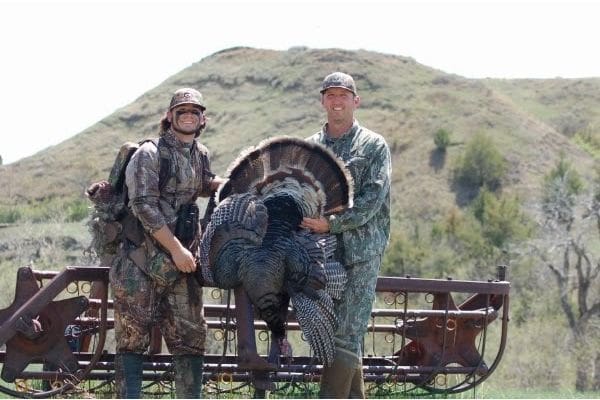
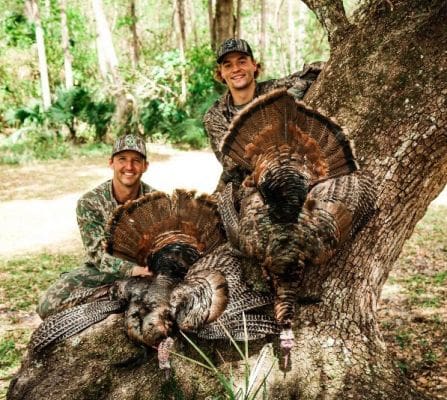
The Rio Grande wild turkey, a distinct subspecies of North American wild turkey found primarily in Texas, Oklahoma, Kansas, New Mexico, and Nebraska, face many threats, such as habitat loss, urbanization, climate change, disease and parasites, and these factors play a significant role in impacting the overall health of Rio Grande wild turkey populations. Recognizing their importance, a new study emphasizes the critical need to closely monitor the health of these populations to ensure their long-term survival.
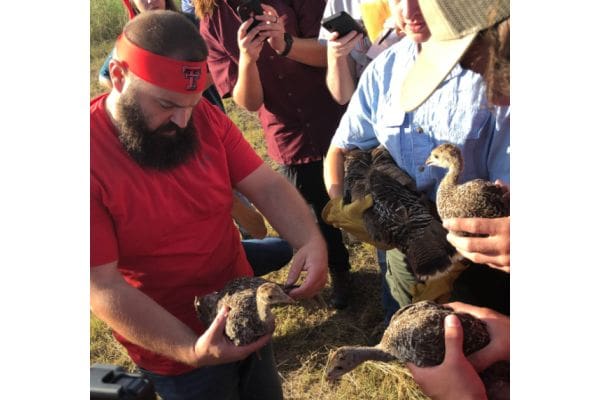
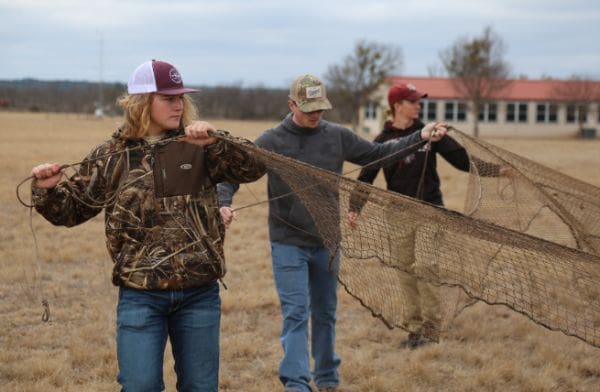
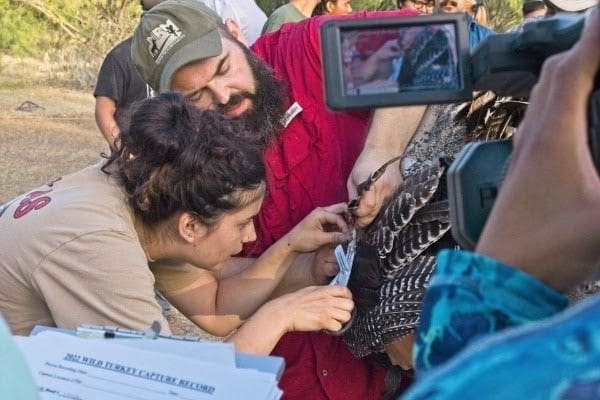
To address this issue, a new research project is underway to monitor parasites and diseases in Rio Grande wild turkeys. Spanning across four states (Texas, Oklahoma, Kansas and Nebraska) within the Great Plains ecoregion, the project’s scope covers a wide area, encompassing 13 different NWTF focal landscapes. Researchers will conduct surveys to assess parasites and infectious diseases in these turkeys, establishing baseline health information for the subspecies. By gaining a better understanding of the prevalence and severity of infections and parasitism, this research will contribute to the conservation efforts and long-term well-being for Rio Grande wild turkeys
Previous studies on Rio Grande wild turkey have identified the presence of diseases, parasites and viruses that affect the populations, leading to illness and mortality. Additionally, in 2023, highly pathogenic avian influenza (HPAI) was reported in wild turkeys for the first time. This highly transmittable disease can result in the death of infected birds, as well as a decline in egg production in non-fatal cases. These findings highlight the importance of monitoring and addressing these health threats.
“The goal for this proposed study is to conduct a range-wide, comprehensive health assessment for Rio Grande wild turkeys,” said Dr. Blake Grisham, Texas Tech University associate professor of wildlife management. “Our findings will help us make future recommendations for continued surveillance of parasites and pathogens of concern to Rio Grande wild turkey in study locations.”
Grisham noted that currently, there are no formal studies specifically focusing on the overall health, susceptibility, prevalence of diseases and parasites and their underlying causes within Rio Grande wild turkey populations conducted at the subspecies distribution level. This means conducting research that covers the entire range or distribution area of the Rio Grande Wild Turkey subspecies, rather than focusing on specific locations or isolated populations.