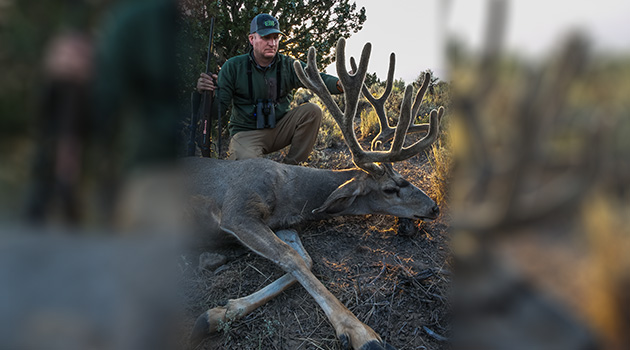



Hunting season is upon us and it’s that special time of year to get after those big bulls. It seems the September rut goes by in a flash and we are into October. The October post-rut period can be one of the toughest times of year to harvest a good bull. It’s after the rut and prior to the cold November weather that pushes big bulls down and keeps them feeding. I have a ton of experience hunting bulls in this October season. I feel to be a consistent elk killer you have to take advantage of and be effective in every season. October offers late bow seasons and the majority of rifle seasons open this time of year. It takes an understanding of what the bulls are doing and specialized tactics but big bulls are out there for the taking!
Elk behavior
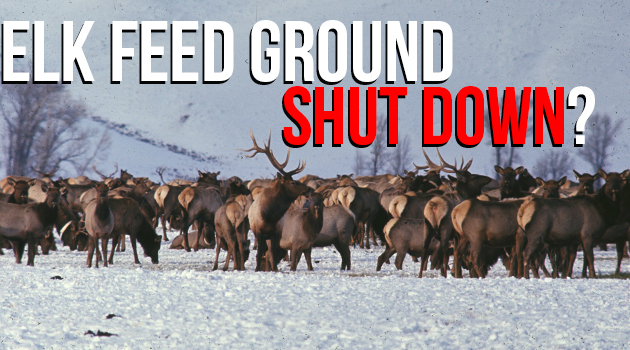
October runs the gamut of different elk behavior and it’s important to know what to key in on. In the beginning of the month there is still some good rutting taking place. You can still catch a big bull tending cows looking for that second cycle estrus. Any cows that did not get bred in September will come back into estrus and bulls know this. Now, it can be hit or miss, but if you find a hot cow, the bulls can be rockin’. This time of year, I do not call much. I grab good vantage points and glass and listen for bugles. Elk this time of year tend to gather in big groups and I will look over these groups to see if there is a big bull hanging around. A lot of times a big bull will come down at night to search for a hot cow and then leave the herd when the lights come on, so be on the lookout for that. This is a great time of year to catch a big bull slipping up still hanging with the herd.
As we get into the heart of October, the rut is ending and the bulls start to separate themselves from the herds. Now you can still catch some younger bulls hanging with the cows but the big boys start moving off. Like rock stars at the end of a long tour, these bulls are run down and beat up from the rut. They usually move off, running solo or maybe with a couple of buddies, but they just want to hide in a hole and lick their wounds. They are desperately trying to put weight back on to make it through the winter. During the rut they let their guard down, but this time of year they start to tighten up their programs. There usually isn’t much cold weather or snow, so they tend to come out late and put away early feeding to feed all night long. They find high country secluded basins, slides or small openings to work and then spend the middle of the day bedded in the thick timber.