Hunting and Fishing News Blog Articles

Stay up-to-date on hunting, fishing and camping products, trends and news.

What Hunters Need to Know About Crossing Borders With Gear

Traveling abroad for a hunt is exciting, but it comes with big responsibilities. Packing clothes is simple. Packing rifles, bows, or ammo is much harder. Airlines, customs agents, and local police all have rules that affect hunters. Missing one step can cause delays or even cancel a hunt. As a matter of fact, many travelers lose expensive gear each...


Continue reading
  335 Hits

Shoot Off Your Tripod!

Photo Courtesy of Jaden Bales


A handful of years ago, a goofy horned pronghorn stepped out of the sage draw at 300 yards walking across the hillside in front of me. I dropped my pack, scanned for a shooting position, and quickly realized there wasn’t one above the sage-brush. All of the vegetation was knee-high or better and the slope uneven. Time was ticking as he knew I was there, but he wasn’t bolting – yet. 

So I did what I’ve learned to do after years of trial and error: I threw my rifle into my tripod and went to work.

That buck is one of my coolest euros of a pronghorn today because of it.

Most hunters think of a tripod as nothing more than a place to mount their glass, though the competitive shooting scene has used tripods for stability for ages now (it seems).  

Continue reading
  196 Hits

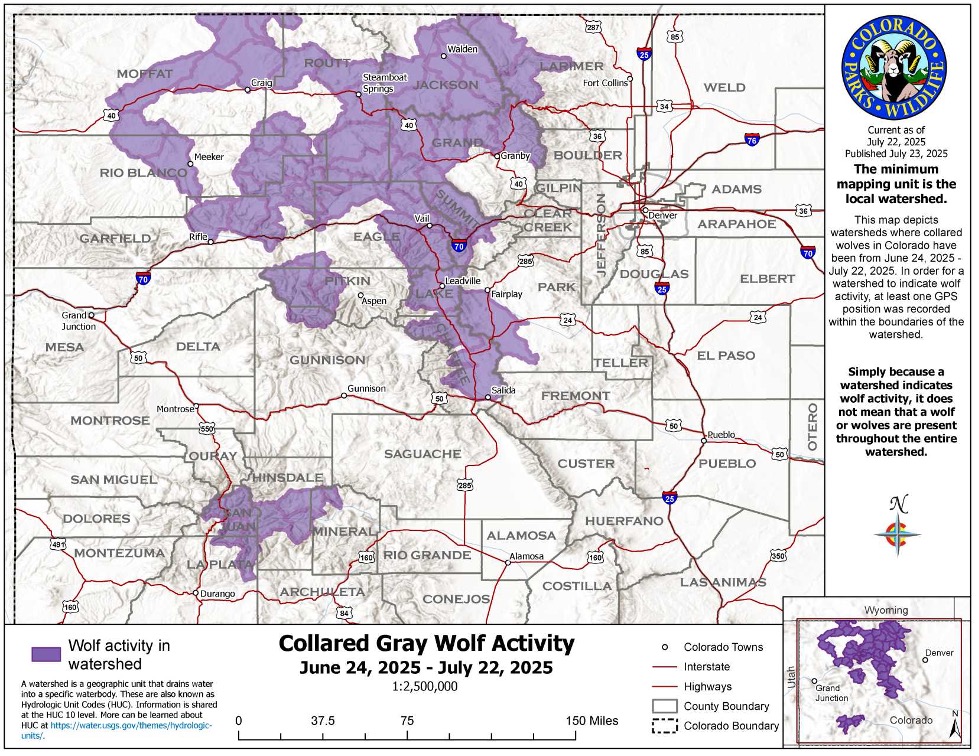
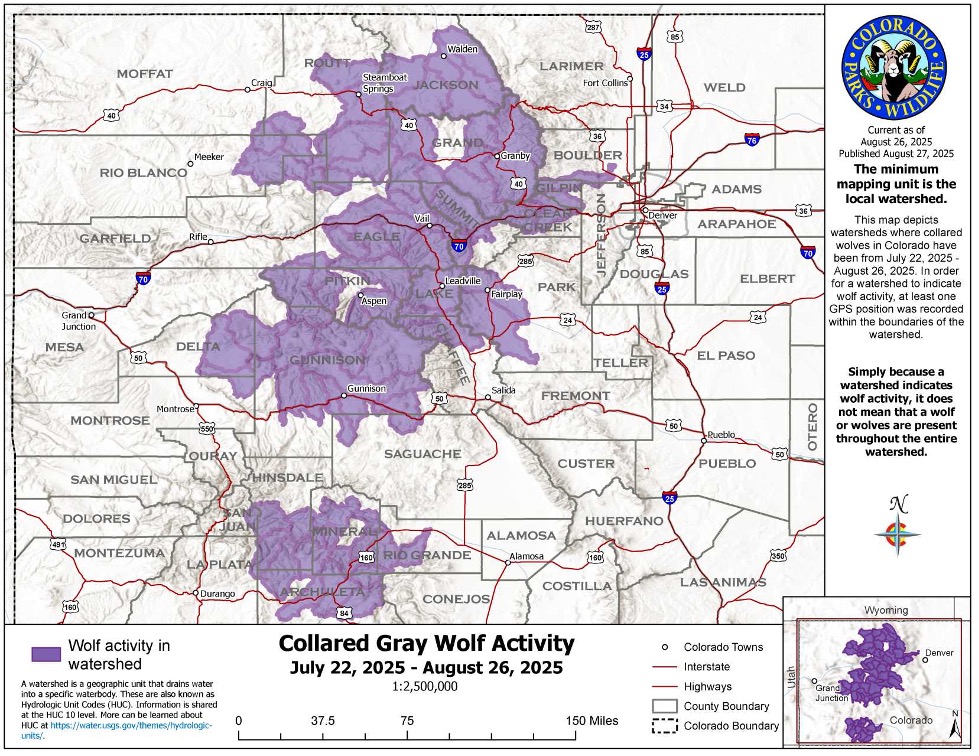
General Areas Inhabited by Gray Wolves in Colorado – Aug 2025 Update

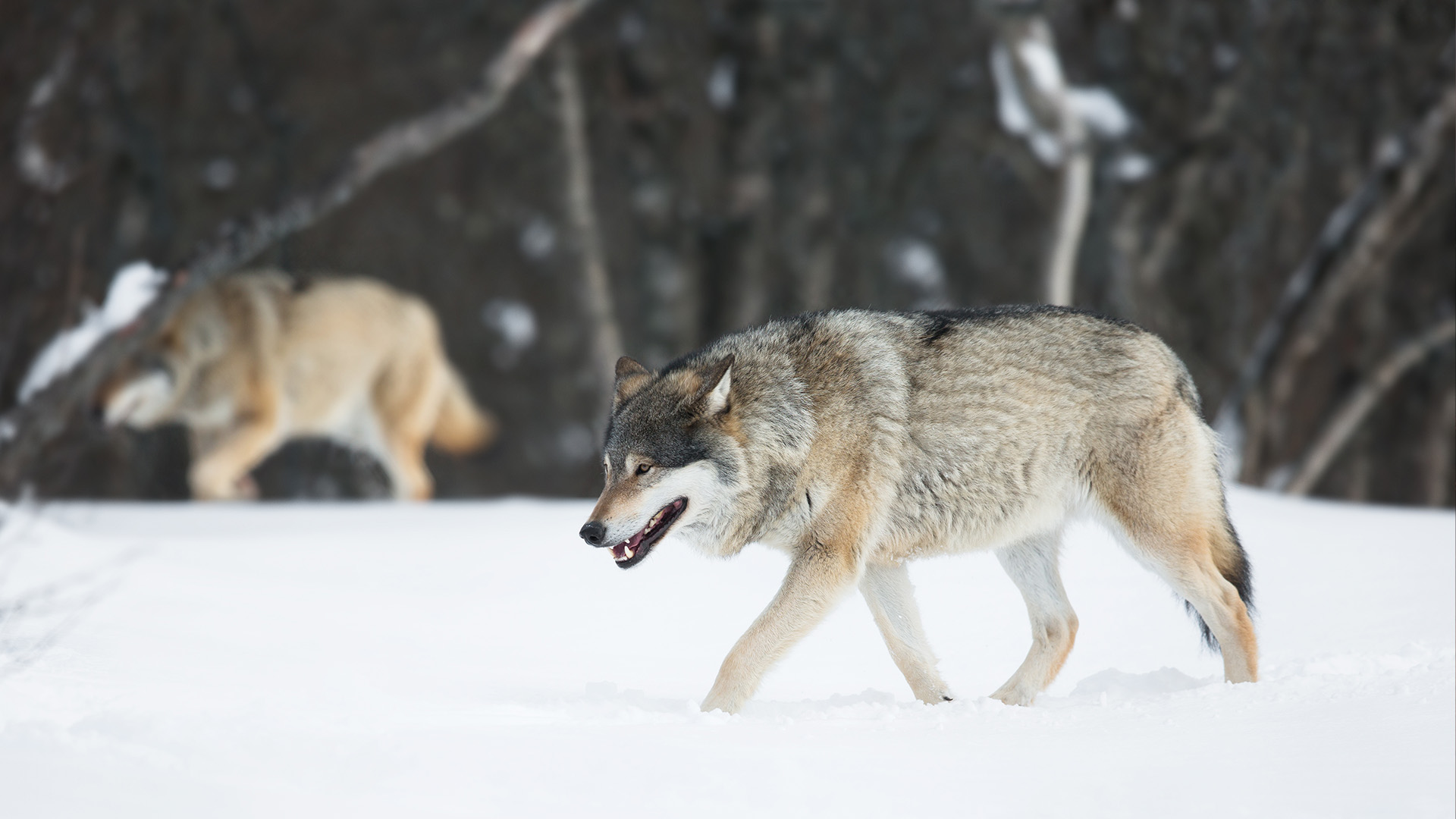
Collared gray wolf activity recorded by CPW from July 22 – August 16, 2025


The August 2025 Collared Gray Wolf Activity Map is now available and displays the wolves’ movements throughout the state during this month. For a watershed to indicate wolf activity, at least one GPS point from at least one wolf collar was recorded within the watershed’s boundaries within the last 30 days.

Wolf Movement Updates:


Continue reading
  206 Hits

Idaho 2025 Fall Hunting Season Outlook

Photo Courtesy of Eastmans Multi Media, LLC


With the mild winter of 2024-2025, Idaho elk and deer herds are looking up.  It’s always tricky when you are talking about winters.  On one hand, you want a good snowpack so there is water as you get later into the summer.  But on the other hand, you want a mild winter to allow the fawns and calves to make it through.  

The 2024-2025 winter was particularly good for the elk.  Out of all the calves collared statewide, 82% of them survived.  Those are really good numbers.  The mule deer fawns did not fair as well as the elk calves.  Collared mule deer fawns had a 58% survival rate, which is above the long-term average of 57%.  The winter was kind to the does, showing a 91% survival rate among those collared.  

Everyone is aware of the harsh winter that the southeast region had in 2022.  Well since then the herds have started to bounce back.  That region had some of the highest survival rates in the state.  For one of the more popular units to hunt in the state (unit 39), the numbers were not so good.  Unit 39 had a 31% survival rate.  Biologists have noticed lighter fawns as they go into the winter recently.  This could be attributed to the herd reaching the carrying capacity of their habitat.  Summer ranges might be suffering with the mild winters.  

Elk numbers in Idaho continue to do well.  As I wrote about previously, IDFG opened up more opportunities for elk in 2025 (See Idaho: Booming Elk Population = More Tags? – Eastmans’ Official Blog | Mule Deer, Antelope, Elk Hunting and Bowhunting Magazine | Eastmans’ Hunting Journals).  While those units don’t represent every zone in Idaho, it is a good sign for the population as a whole.   

Continue reading
  209 Hits

Corner Crossing: Can You Do It This Fall?

Photo Courtesy of Wirestock_Envato


What Wyoming’s New Bill Really Means for Hunters


Editor’s Note: Eastmans’ Hunting Journals is not a legal authority, we aim to provide information about current topics in the western hunting sphere. Be sure to know what is and is not legal in the state/s you are hunting. Ignorance is no excuse and your fate rests upon the decisions you make.  


For years, corner crossing has been the most debated move a hunter could make in Wyoming. Do you step over that invisible line where two pieces of public land touch at a corner, or do you stay put to avoid a trip to court?

Continue reading
  226 Hits

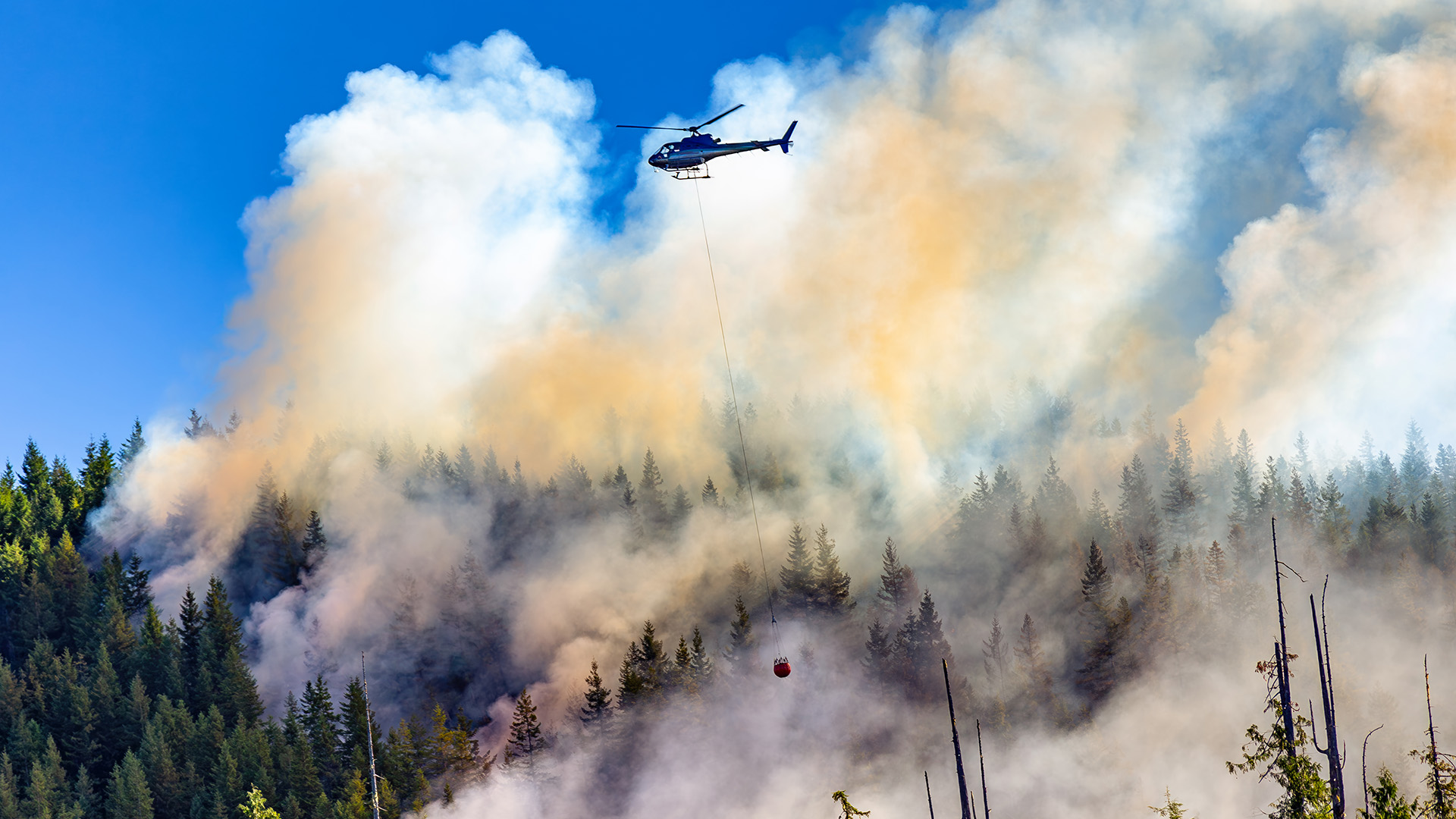
Wildfires Cancel Your Hunt?

Photo Courtesy of edb3_16_Envato

How to Handle Wildfires Ahead of Your Hunt

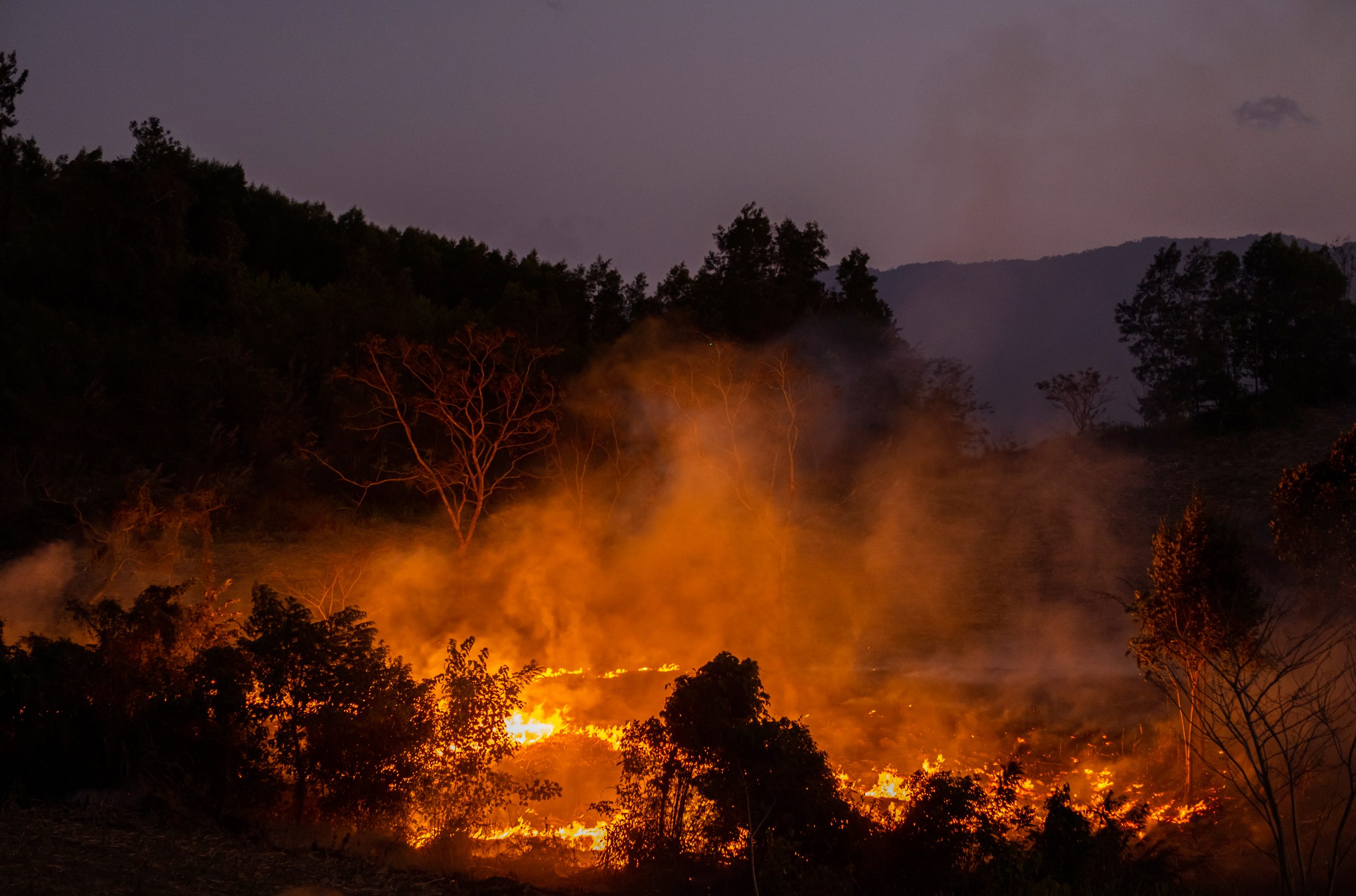
If you’ve been watching the fire maps this August, you know the reality: the West is burning again, and just as archery hunters are waxing strings and sharpening broadheads, Colorado’s Lee Fire is chewing up country in GMU 22. In Wyoming’s Bighorn Basin, smoke columns rise over multiple blazes near Worland and Thermopolis. Montana’s western half is seeing new fires start as hot, dry weather lingers, and in northern Nevada, the Cottonwood Peak Fire has already blackened more than 100,000 acres.

For western hunters, wildfire isn’t just a background headline that makes you feel for the communities they’re affecting. Fire can (and often does) shut down access, displace animals, and in some cases, cancel the hunt you’ve waited years to draw.

So what happens if the unit you planned your season around is suddenly behind fire lines? Let’s walk through how core Western states folks travel to handle tag returns, refunds, and deferrals. This is what you need to know before the smoke hits your hunt.

Colorado: Refunds or Points Back, Sometimes Last Minute

Colorado Parks & Wildlife usually requires tag returns 30 days before the opener to get either a refund or your preference points back. But when fires torch units late in the summer, CPW has shown flexibility. During past closures, they’ve allowed hunters to return tags up to the day before the season if access was completely cut off.


Continue reading
  300 Hits

What to Expect When Hunting in Higher Elevations

Hunting in higher elevations is a unique thrill that flatland hunting simply can't match. The crisp air, sweeping views, and challenging terrain create an adventure that tests both your physical endurance and your mental toughness. But before setting out, it's important to understand the differences that higher elevations bring. Hunting in such env...


Continue reading
  301 Hits

Update: Fires Scorching the Kaibab Plateau

Photo Courtesy of zhenny-zhenny_envato


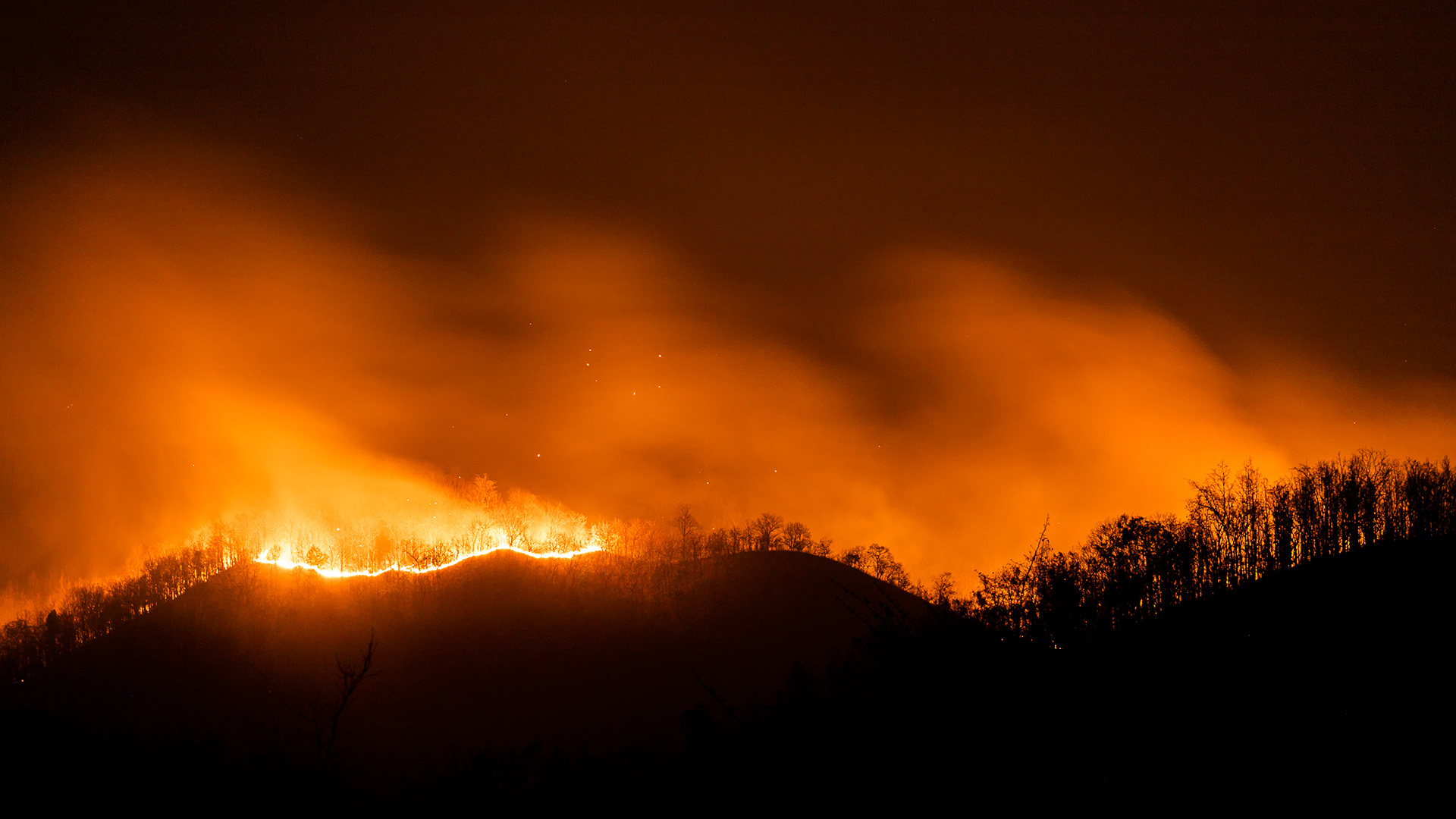
The White Sage and Dragon Bravo fires have burned over 200,000 acres of BLM, National  Forest and Grand Canyon National Park.

Both fires started as lighting strikes that managing agencies chose to allow to burn as “managed fires”. The White Sage fire quickly grew from BLM along the AZ Strip up in elevation onto the north end of the Kaibab and spread east toward the Paria Plateau, consuming much of Unit 12B in the process.

The Dragon Bravo Fire initiated on the North Rim of the Grand Canyon, within the park boundaries at the far southern tip of the Kaibab Plateau. The fire exploded out of control the second week of July, burning most of the buildings at the North Rim visitor center, including the historic Grand Canyon Lodge. Even after burning the assets the fire remained relatively small and isolated within the National Park. Late in July, the fire took off again and expanded rapidly, blowing past containment lines and growing to more than 120,000 acres and expanding onto the Kaibab National Forest in hunting Unit 12A.

Not a good year to have a tag in these coveted areas and only time will tell what recovery of this vaunted mule deer habitat looks like.

The post Update: Fires Scorching the Kaibab Plateau appeared first on Eastmans' Official Blog | Mule Deer, Antelope, Elk Hunting and Bowhunting Magazine | Eastmans' Hunting Journals.

  240 Hits

Colorado Wolf News: Depredation, Mortality & New Pups

Photo Courtesy of kjekol_envato


Propaganda

Colorado Parks and Wildlife (CPW) has confirmed three depredation events caused by an uncollared wolf in Rio Blanco County on July 20, 22, and August 2, 2025.  Supposedly there weren’t any (uncollared/native) wolves in Colorado before the re-introduction began.  

Opinion: It looks like that propaganda was wrong, as we already knew.

Depredation  

Continue reading
  334 Hits

Grizzly Bear Reintroduction Into California

Photo Courtesy of suemini8_Envato

History:

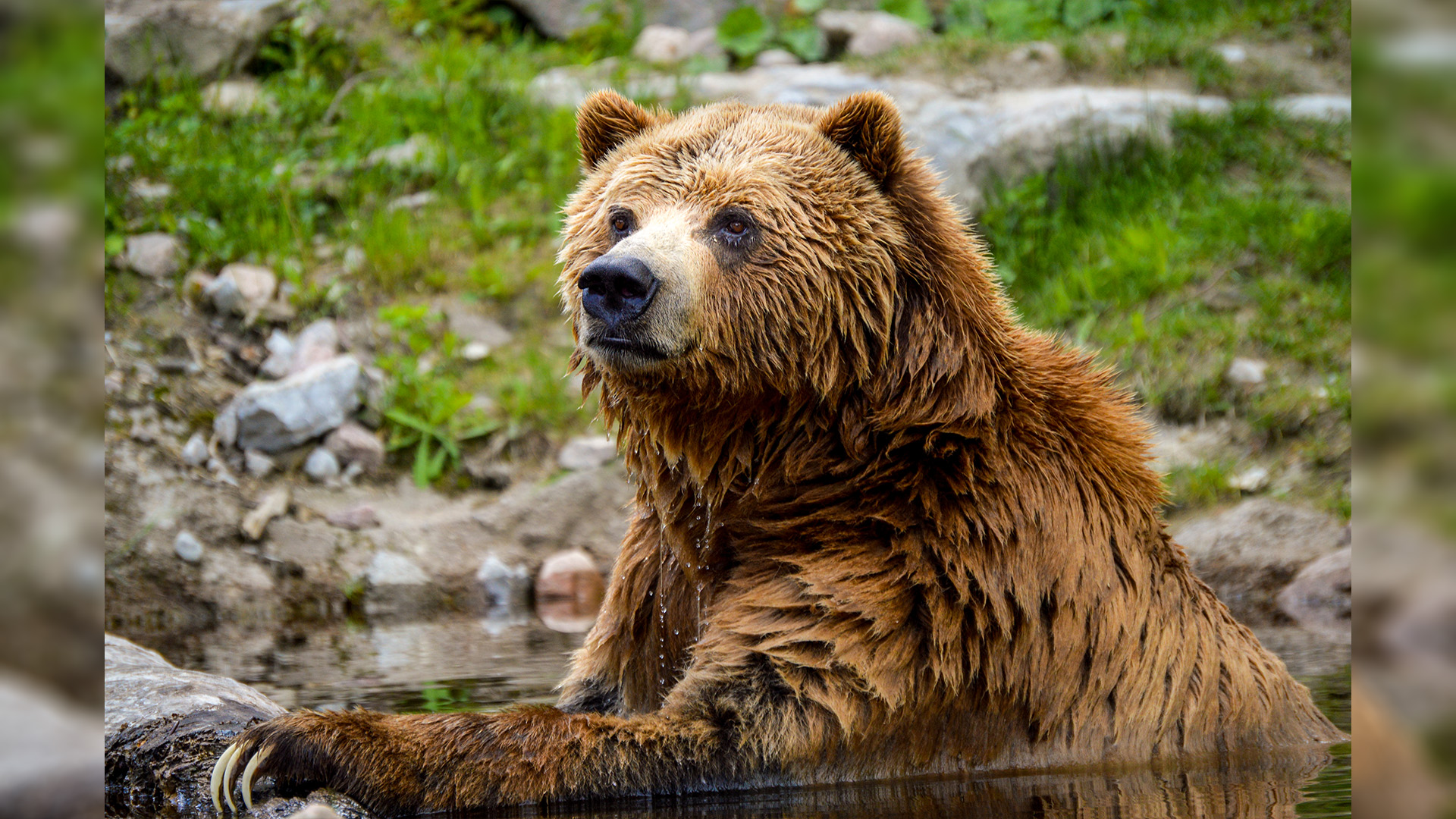
Grizzly bears used to roam the mountains and coast of California.  In the early 1900s, Californians experienced a large portion of grizzly bear conflicts.  Through poisoning and trapping, the grizzly bears were killed off.  The last recorded sighting of a California grizzly bear, in the wild, was in 1924.  For over 100 years, there have been no recorded grizzly bears on the California landscape.

Facts:

Mountain Lion

Since 1990, California has been a state of Ballot Box Biology.  Proposition 117 made the California mountain lion a protected species.  Ever since then, the California mountain lion population has been booming.  While the take of mountain lions has not stopped, now the taxpayer pays for it instead of hunters.  On average, 72 mountain lions are killed each year as a result of mountain lion and human conflicts.  

Black Bear

California has the highest population of black bears in the Lower 48.  California has a conservative estimate of 60,000 black bears within the state.  Even with California being a very large state, black bears don’t inhabit all of the state (only 40% of the state).  This creates a large density of bears.  In 2012, California passed a law that outlaws hound hunting for bears starting in the 2013 season.  In 2012, 1,962 bears were reported as taken during the season.  The following year (2013) without the use of hounds, that number dropped to 1,078 bears.  

Continue reading
  353 Hits

How to Choose the Right Hunting Lease After Relocating

Relocating can mean leaving behind years of hunting knowledge. New ground, new people, and new rules can make things confusing. Every region has different game and hunting seasons. If you want a good hunting lease in your new area, you must learn quickly. That includes more than just signing a contract. You need to know the land, the rules, and the...


Continue reading
  255 Hits

Kaibab Fires

Photo Courtesy of freedomnaruk_Envato


Two fires burning on the Kaibab Plateau are threatening upcoming mule deer hunts.

The Dragon Bravo fire, which was lightning caused and recently burned most of the facilities at the North Rim of the Grand Canyon, is burning at the South end of the Plateau within Grand Canyon National Park. The fire is currently 11,000 acres and 0% contained.

The white sage fire is burning at the opposite end of the Plateau near the town of Fredonia. The fire was also lightning caused and began in the sage flats of the Arizona strip North of the Kaibab Plateau. The fire quickly grew as it climbed into the juniper and pine forests and now sits at 59,000 acres and 17% containment.

The combination of fires burning on both ends of the famed mule deer country have caused authorities to close both Grand Canyon National Park and the Kaibab National Forest until September 30 or until conditions change.

Continue reading
  272 Hits

Activists Seek Nationwide Bear Baiting Ban

Photo Courtesy of wirestock_envato


Well folks, the attacks on science-based wildlife management just keep coming. U.S. House Resolution 4422 “Don’t Feed The Bears Act of 2025”, has been introduced to the House Natural Resources Committee and seeks to ban using bait for hunting black bears in Wyoming and seven other states where the tactic is a proven and effective tool for managing black bear populations. This “Act” has been brought to the HNRC by a coalition of animal rights groups and is a thinly veiled ploy to end black bear hunting, promote apex predators as wildlife managers and ultimately end all hunting. 

Conspiracy Theory

My last sentence may seem like a conspiracy theory. I used to think that animal rights group’s predator worship, lawfare and promotion of apex predator reintroduction was just that, a conspiracy theory with the end goal to eliminate all hunting. To be blunt, these days the difference between a conspiracy theory and truth turns out to be about six months. That may seem cynical and the actual timeline for transition from conspiracy theory to reality may be 12 to 24 months but I honestly believe these whackos are playing the long game and want only one thing… the end of ALL hunting! 

Baiting Isn’t Ethical

Continue reading
  250 Hits

Beef is Higher Than Ever, and So Is the Pressure to Fill Your Tag This Fall

Photo Courtesy of Eastmans Multi Media


If you’ve been to the grocery store lately, you’ve seen the sticker shock. Ground beef is pushing $6.12 a pound on average in the U.S. That’s more than a 15% jump (depending on the source) from just a couple of years ago—and a big ol’ red flag for families trying to stock the freezer without blowing up the grocery budget.

Interestingly, these higher beef prices can be attributed in part to the widespread drought that plagued good grass growth from 2020 to 2022. Those droughts not only knocked back deer and pronghorn populations around the west, but also caused producers to downsize cattle herds. Doing that reduces supply, and makes prices go up, which encourages fewer producers to keep cows around, and the cycle continues. 

For those of us who hunt, this price hike isn’t just a news blip—it’s a kick in the pants. The reality is, wild game meat has never been more valuable. That cow elk tag you’ve got tucked in your pocket for this fall that you did not think you would get time to hunt? It might just be the most financially sound investment you’ve made all year.

Let’s break it down. 

Continue reading
  267 Hits

Colorado‘s Outrageously Expensive Wolf Re-introduction Program

Photo Courtesy of kjekol_envato


This is what happens when you let Ballot Box Biology dictate how you manage your state’s wildlife. As you’ll recall, Colorado’s wolf reintroduction program was authorized by Proposition 114 which barely passed on Nov. 3, 2020, by the smallest of margins, 50.91% to 49.09%. Colorado’s Parks and Wildlife’s (CPW) professional wildlife managers and biologists did not ask to have wolves introduced to Colorado, it was forced upon them by voters, primarily from the urban areas of Denver and Boulder. The fact that Colorado hand tied our trained wildlife professionals and allowed uninformed voters to dictate our state’s wildlife management policies has had disastrous and expensive results.

The Curtain Is Pulled Back

As reported in “The Denver Gazette”, CPW spent more than $3 million on the state’s wolf reintroduction program in one year, which is more than three times as much as what voters were told it would cost during the ballot debate in 2020. Back then, budget analysts estimated that implementing the reintroduction program would cost approximately $800,000 annually, starting in fiscal year 2023-2024. The actual expenses from July 2024 to May 2025, as CPW reported to a legislative committee, were $3 million. An outrageous cost overrun.

As detailed in the “Colorado Wolf Restoration and Management Plan”, the restoration of wolves is a multi-year effort, with intentions to release 10-15 wolves per year for 3-5 years. The program had a deadline to begin re-introduction no-later-than the end of 2023. This deadline was almost missed as no neighboring states would provide any wolves to Colorado. At the last-minute Oregon agreed to provide 10 wolves to begin this project. Now, according to CPW’s “2024-2025 Colorado Gray Wolf Annual Report”, by the end 2024, the total number of wolves present in Colorado was 15 with 15 more being translocated from British Columbia in January 2025, bringing the total to 30. Of these 30 wolves, in 2024 there were four reported wolf mortalities and by my count there’s already been 5 more in 2025, bringing the total number of wolf mortalities to nine out of the 30 reintroduced and paid for by the state. The “cost per wolf” just keeps getting higher and higher. 

Continue reading
  245 Hits

Wyoming Commission Expands Landowner Tag Access

Photo Courtesy of Eastmans Multi Media


In my last article, I described Wyoming’s landowner tag debate as a crossroads—one that demanded careful balancing between respecting private stewardship and protecting public opportunity. 

Now, after the Commission’s final decision to ratify the proposed changes to Landowner tags in Wyoming, the cart is moving down a path that may result in fewer tags for public draw hunters into the future.

Instead of giving a little and gaining a little in a system many felt had already tipped too far out of balance with public draw hunters, the Commission chose to expand landowner eligibility at yesterday’s meeting. In the draft regulations, there was an expansion of step-family as eligible, and for nonresident landowners to qualify for nonresident regional elk licenses without going through the public draw.

Moreover, landowners now will not need a Wyoming Game and Fish official to provide documentation of the 2,000 animal use days that serve as a requirement for the 160 contiguous acres they live on. While Wyoming Game and Fish had been understandably strapped for time to make these confirmations of animal use days, it’s now up to the proverbial “scouts honor” for landowners to prove the time animals are on their places.

Continue reading
  263 Hits

The Ultimate Checklist for Preparing Your Truck for Hunting Season

A good hunt starts before you hit the woods. Many hunters trust their trucks but skip simple checks that ruin trips. Preparing your truck for hunting season keeps you safe and saves time. Think of it as packing your best gear, only now your ride comes first. Use this checklist to handle problems early so you spend more days tracking game, not waiti...


Continue reading
  334 Hits

General Areas Inhabited by Gray Wolves in Colorado – June 2025 Update

Collared gray wolf activity recorded by CPW from May 27 – June 24, 2025


The June 2025 Collared Gray Wolf Activity Map is now available, displaying the wolves’ movements throughout the state during this month. For a watershed to indicate wolf activity, at least one GPS point from at least one wolf collar was recorded within the boundaries of the watershed within the last 30 days.
Wolf Movement Updates:

CPW lethally removed gray wolf 2405, a member of the Copper Creek Pack, in Pitkin County after determining livestock producers had experienced chronic wolf depredation despite implementing all reasonable non-lethal deterrence measures and removing any attractants capable of luring wolves.Biologists received a mortality alert for gray wolf 2507. As a federally listed species under the Endangered Species Act, the U.S. Fish and Wildlife Service is performing a necropsy and investigating the cause of death.Wolves continue to make broad movements across many western counties (see map). Wolves travel long distances to find food, mates and space to live.CPW is monitoring four potential dens.

Below is last month’s map for comparison:


Continue reading
  280 Hits

Public Land Sale Still Alive! – Senator Lee’s Public Land’s Sell-Off—Act Two

Last week, I wrote a blog breaking down Senator Lee’s (R-UT) proposal to mandate the sale of 2-3 million acres of Bureau of Land Management land and National Forest land in 11 western states. Well, a lot has happened since then, which means an update is warranted. As a reminder, on June 11th, Senator Mike Lee (R-UT) released a proposal as part of the Senate Energy and Natural Resources Committee’s contribution to the Senate’s budget reconciliation bill—otherwise known as the “One Big Beautiful Bill Act” mandating the sale of millions of acres of public lands across the west. 

On June 23nd, we woke up to the news that the Senate Parliamentarian struck the land sale provision from the larger reconciliation bill for violating something called the Byrd rule. This complicated rule requires, in general terms, that in order to avoid a sixty-vote threshold for passing a bill, language must be focused on raising revenue or cutting expenses, not policy.  As long as it meets that requirement, the bill can pass with a simple majority. However, not one to give up, late in the evening on June 24th, Senator Lee decided to take another run at selling public lands with amended language to his prior bill. As of the time of writing this blog, he has not confirmed that the next circulating among the public can be attributed to him. But it largely matches what he’s said publicly that he intends to do. Since there isn’t much time left before the Senate acts, it makes sense to operate as though this is the new text.  

So, like the prior blog, here’s a no-frills breakdown of what’s changed and what’s stayed the same in Senator Lee’s Proposal. 


Mandates a Massive Sell-Off of Public Land

First, Sen. Lee did remove National Forest land from the mandatory sale, but the bill continues to mandate the sale of large amounts of Bureau of Land Management (BLM) lands. The amended bill requires the Secretary of the Interior to begin disposing of, “as soon as practicable” after bill passage, and every 60 days after that: 

Continue reading
  246 Hits

Gear Lab Video: SecureIt Agile Series Review: Model 14 & 52

In this review, hunter Brandon Mason showcases the SecureIt Agile 14 and Agile 52 gun and gear storage models. Brandon walks through the universal compatibility of SecureIt’s CradleGrid accessories across both models, showcasing the modular interior system that allows for a personalized setup to suit any loadout. He also takes a closer look at the digital keypad entry on the Agile 52, breaking down how to operate and program it for secure, quick, access.

The post Gear Lab Video: SecureIt Agile Series Review: Model 14 & 52 appeared first on Eastmans' Official Blog | Mule Deer, Antelope, Elk Hunting and Bowhunting Magazine | Eastmans' Hunting Journals.

  292 Hits


Outdoorsmen