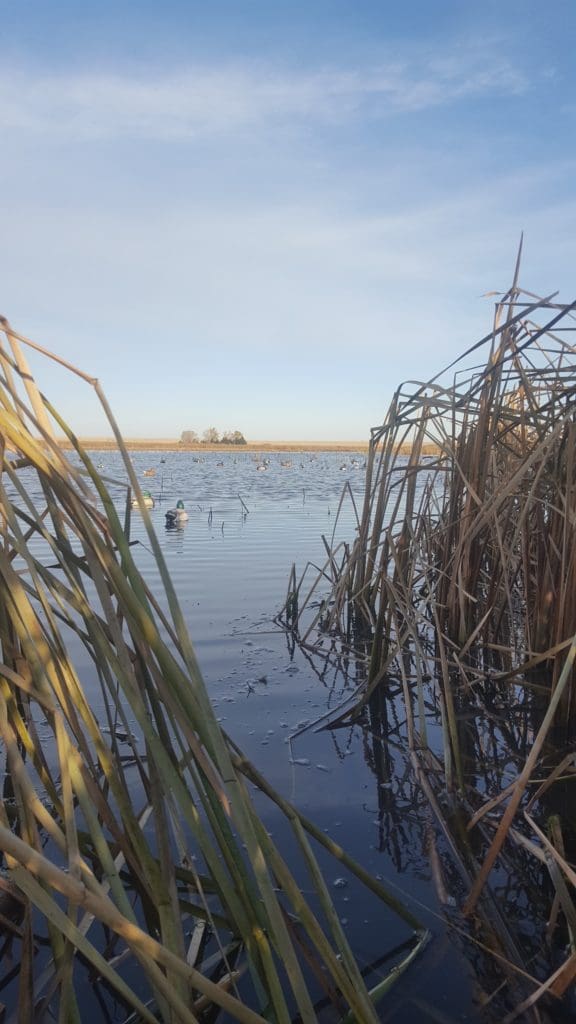
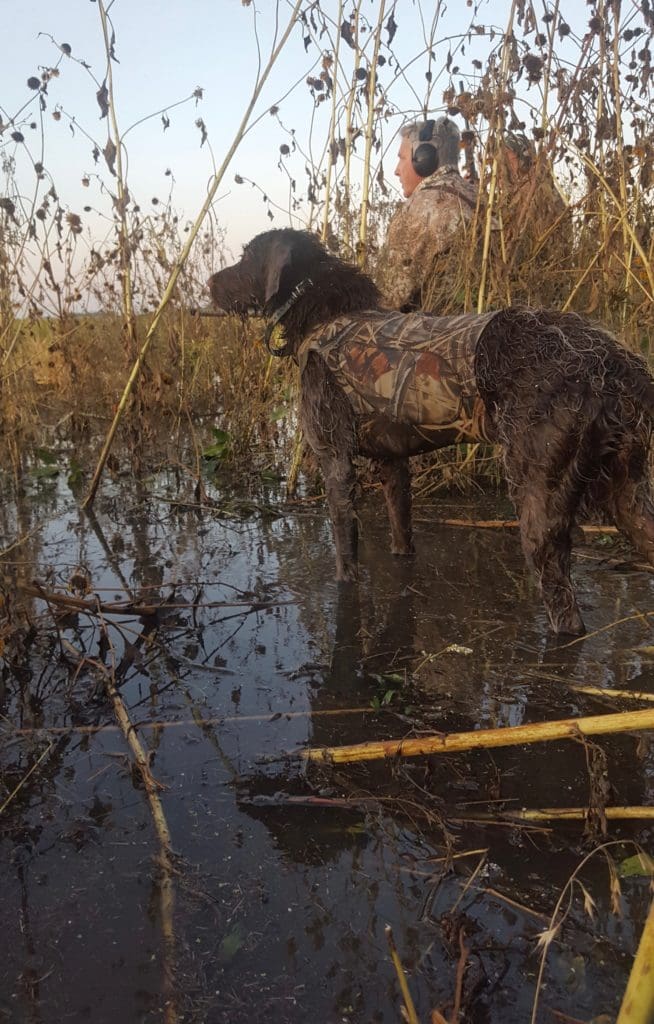
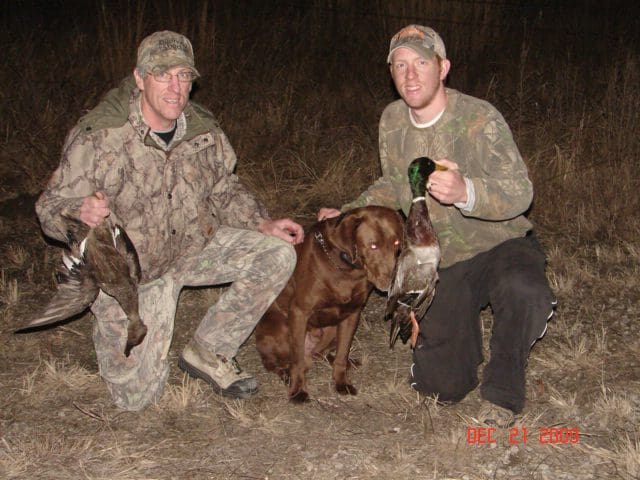
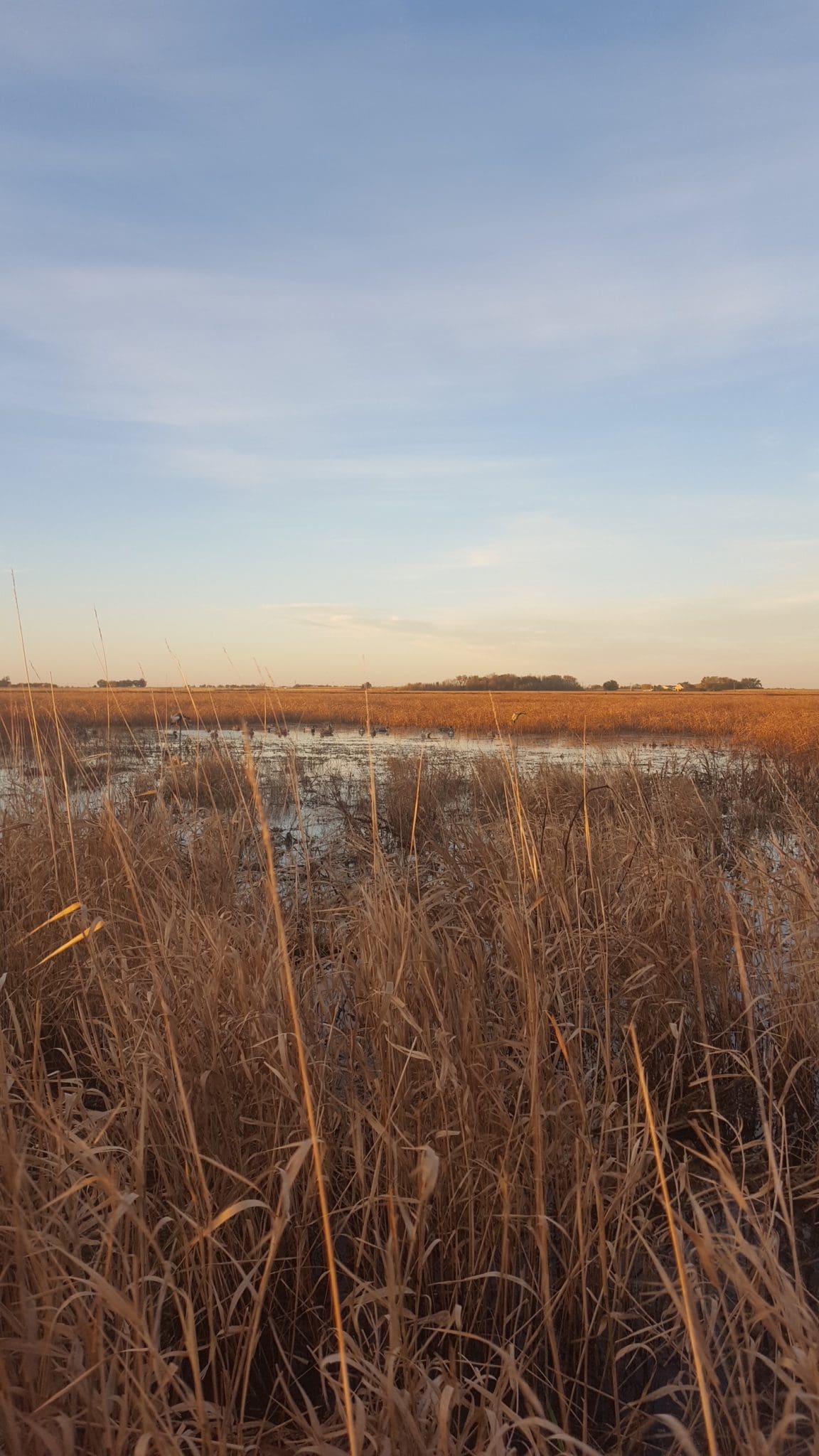
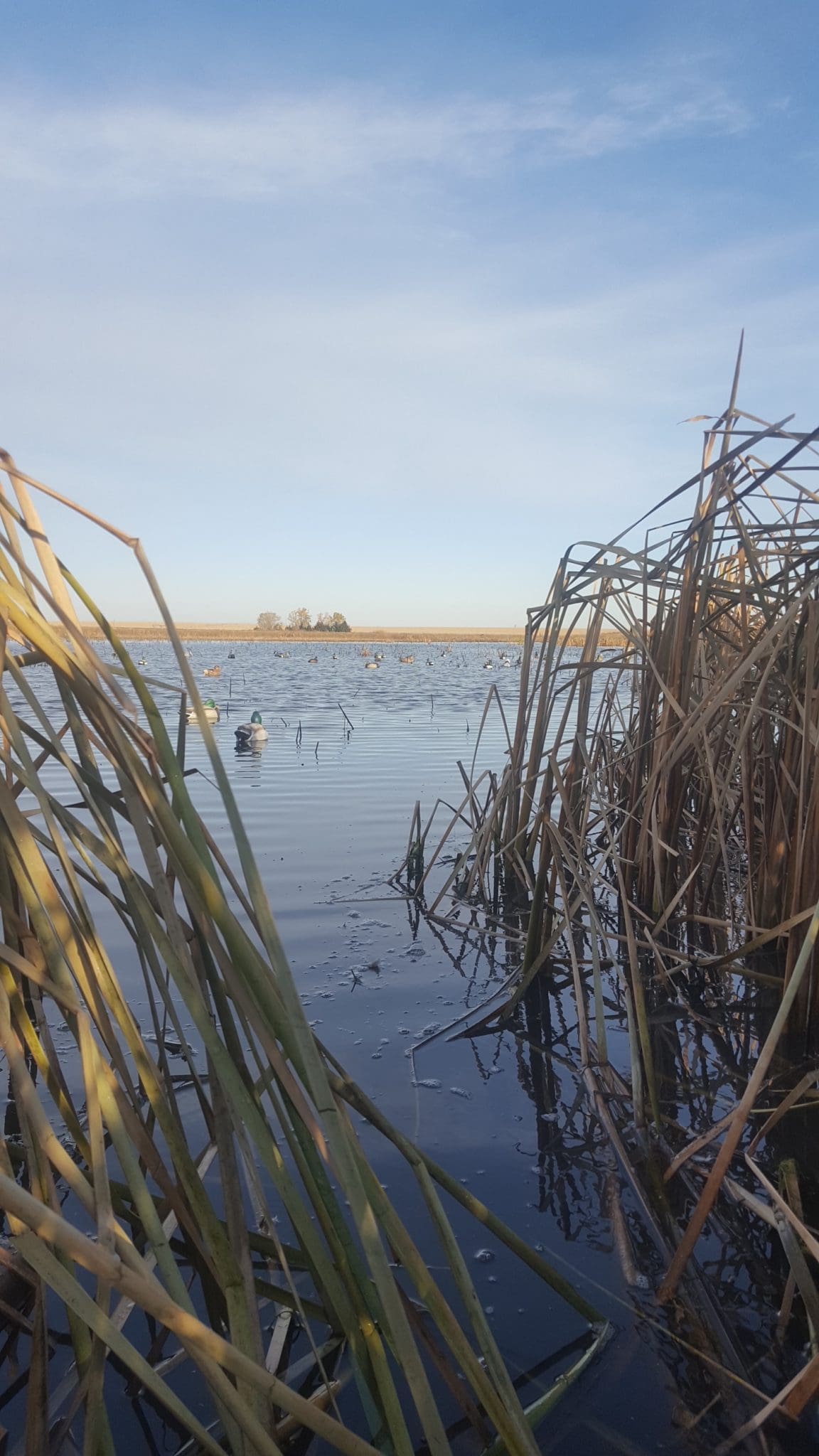
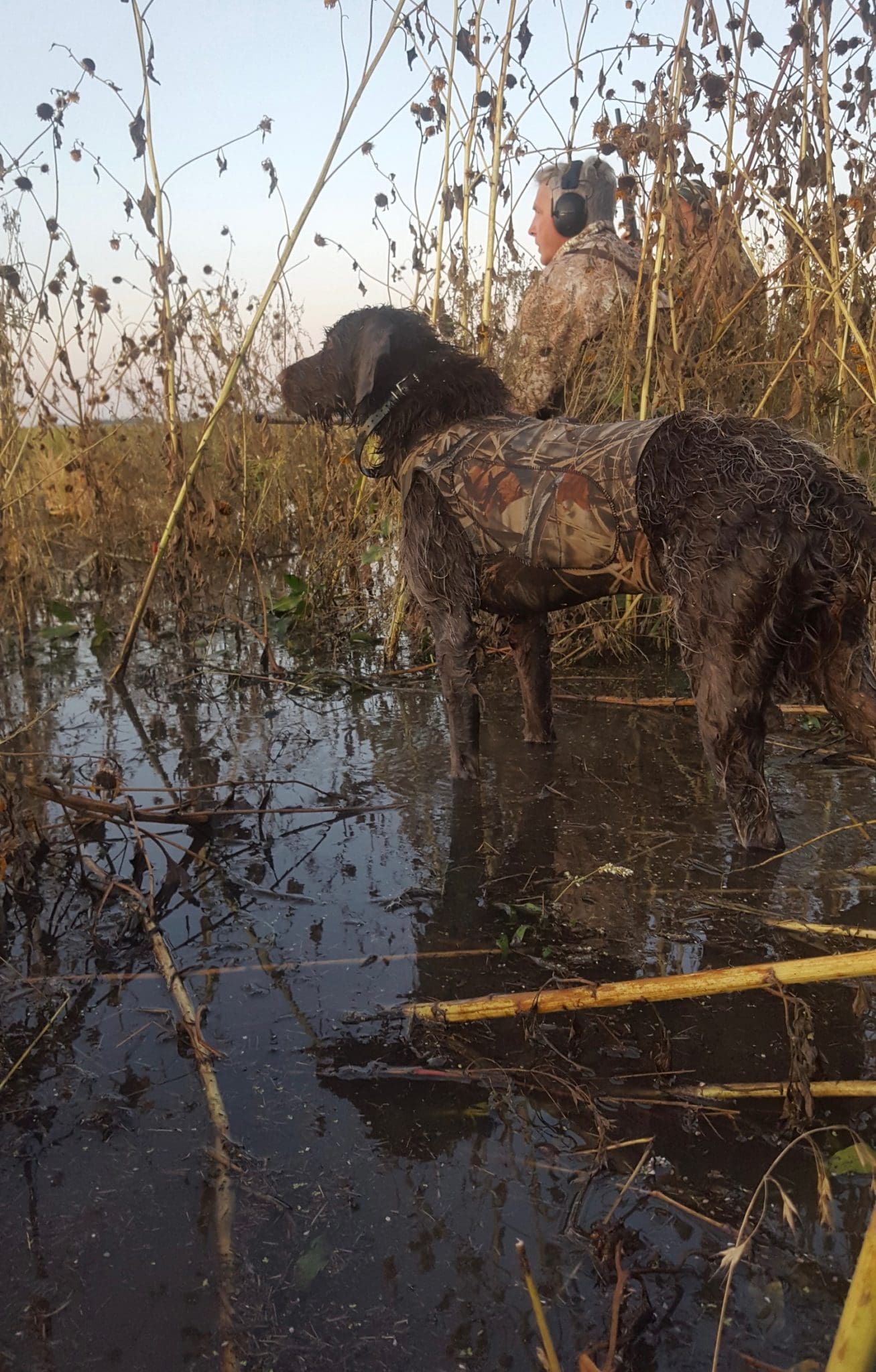
It is November and I am smack dab in the middle of the nation’s largest hunting show, The Whitetail Rut. When all the TV shows, webisodes, magazines, and social media are drilling you with pictures of heavy antlered bucks with their nose to the ground, why do I have a hard time pulling my mind out of the marsh? I know while the “orange army” is posted 20 feet up stuck to the side of a tree, a lot of quality marshes are filling up with feathered friends from the north. Competition is less intense, ice isn’t as much of an obstacle, and fresh birds could pile in at any moment. So, let’s dive into some important tips about finding quality waterfowl hunting.
Tip #1: Location is key to finding quality hunting property
How do you go about locating quality waterfowl properties? Although waterfowl numbers are generally healthy, waterfowl hunting grounds are not as wide spread as the properties that will hold deer. As the old real estate saying goes, location, location, location! The migration routes, carrying ducks, geese, and other birds like Sandhill Cranes from their summer ranges as far north as the Arctic to the wintering grounds in warmer climates, are broken down into four main flyways: Pacific, Central, Mississippi, and Atlantic. These ancient routes concentrate the millions of migrating species into areas sometime as narrow as just a few miles. As you can expect, if you are not in the path of one of these flyways, you will often be disappointed after your trips to the blind. A quick Google search will reveal migration routes for entire continents and for your specific state. In Missouri, we are lucky enough to experience birds traveling along both the central and Mississippi flyways as well as going between the two. The Mississippi River funnels birds along the east edge of the state and the Missouri River bring everything from cranes, snow geese, and millions of ducks and geese from the plains across the middle of the state.
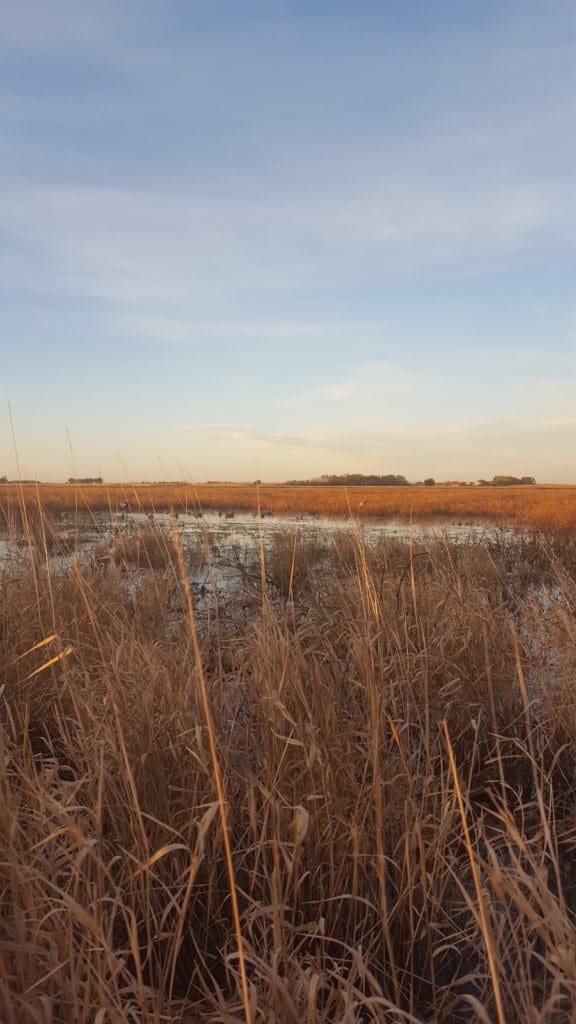
Once you have the general travel routes these birds will be traveling, the next step is naturally to find water. Waterfowl will roost at night in the safety of open water and marshes then head to the agricultural fields to feed in the morning. This is when I pull up my electronic maps like MapRight to help find those major and minor waterways. Turn on the water feature and topographical functions to easily find where those waterways converge and meander in flat areas. If you see a lot of topo lines stacked close together, you know that the water in this areas is going to be moving fairly fast draining from the hillsides. But if you find areas with wide spacing of the topo lines, that means this land is very flat and there is a good chance that water will create marshes. Another sign of potential wetlands is winding blue lines depicting meandering rivers and creeks. A straight creek is either quickly moving or channelized with minimal options for wetlands to develop. Convoluted waterways mean flat land and a good chance to find hidden ducks holes. When these winding creeks bend so far to cut off part of the river, they create oxbows, which are great places to find birds.
Tip #2: Find a property with basic needs like food and shelter
Once you have a few good areas located, the fun starts by looking at the other needs besides water that waterfowl (and all game animals) need: cover and food. Go back to your maps to look for crop fields adjacent or in close proximity to the potential waterfowl roosting spots. These birds will leave the safety of the marsh to gorge on corn and beans. Easy access to agricultural fields will make any potential wetland more valuable to birds and help hold them longer throughout the season. The same fields will also provide a drier field hunting opportunity. Besides food, ducks and geese can be pretty vulnerable to predators like coyotes, raccoons, hawks, and eagles as well as the cold weather patterns of the fall and winter seasons. A farm pond in the middle of cleanly harvested farm won’t be as attractive as a brushy marsh or flooded timber. The vegetation around these amazing wetland ecosystems hide birds from prey, insulate from cold winds, and also provide food in the way of seeds and aquatic invertebrates.
Tip #3: If you build it, they (the waterfowl) will come
By now, you should have a good idea of what areas are going to have a high potential for holding birds during the fall. Now the question is, how do you hunt it? Not all properties are created equal in their hunt-ability. Without getting too deep in the weeds with hunting techniques, an ideal property will have access to all areas of the property and lend itself well to hunting at different times of day and with different wind directions.