
Hunting and Fishing News Blog Articles

Stay up-to-date on hunting, fishing and camping products, trends and news.

America’s Fastest Compact Crossbow Ever!

The Fastest Compact Crossbow in the World, Meet the 26.5” Short, 460 FPS TRX 26.


Building upon the overwhelming success of their TRX 515 and TX 440 crossbows, industry leader TenPoint Crossbows recently launched their lightest and narrowest reverse-draw crossbow ever – the NEW TRX 26. Designed with a micro-footprint and low profile at 26.5” short and 5.75” narrow, the TRX 26 shoots 460 FPS and features Twin-Riser Technology (TRT), a custom TriggerTech Trigger, a ZERO-Trac Barrel, and a RangeMaster® 100 Scope.

“When we launched our Twin-Riser crossbows last year, we knew it would change the industry, and that’s exactly what they did,” said Phil Bednar, CEO. “For 2025, we challenged our engineers to deliver this technology in an ultra-compact hunting system,m and they delivered. At 26.5” short and 6” narrow, the NEW TRX 26 will change the way you hunt– giving you the freedom and mobility to go further while packing a stand or the gear you need to be successful and giving you more shooting coverage by reducing the chance for cam or limb contact in the treestand or ground blind.”

The foundation for lethal accuracy is TenPoint’s Twin-Riser Technology. 41% lighter and 2x stiffer than traditional risers, Twin-Riser Technology is designed with symmetrical top and bottom plates that reduce riser flex by 70% to generate the most consistent arrow flight path for greater down-range accuracy.

Every facet of the TRX 26 is designed to extract every millimeter of accuracy from the crossbow, including a newly developed, custom hand-built TriggerTech Trigger. Using TriggerTech’s patented Zero-Creep Technology, this 3lb. trigger features a clean, crisp “breaks like glass” feel to help improve accuracy and precision. In addition, the trigger’s Dry-Fire-Preventor (DFP) functions as a second safety – blocking the trigger from firing unless the nock is properly inserted.

™
™
™

™
™
™

™

™
™
™
™
™
™
Continue reading

Copyright

© Bowhunting.Net

Saddle Hunting in the New Year

Saddle hunting is revolutionizing hunting from a tree.  Hunters can move more and take advantage of inviting deer sign immediately.  If you find a fresh feeding area, hot scrape, sap-dripping rub line, or other deer hot spot, you can immediately climb a tree and be ready to hunt within 10 minutes.  The beauty of saddle hunting is the ability to capitalize on a given circumstance and optimize your chances at a great deer.  This tactic is ideal for public land where traditional tree stands damage trees and are illegal.  Saddle hunting allows you to walk deep into virgin territory and hunt an unpressured spot from an elevated stand.  The following video from Vance is one of the best I’ve seen.  It explicitly explains how to set up a saddle and the gear you need.  If you are thinking about saddle hunting in 2025, this video will help immensely.

Saddle Hunting 101

Copyright

© Bowhunting.Net

Joe Rogan Interviews Michael Waddell

Joe Rogan is a leading podcaster, and you’ll love his interview with Michael Waddell on YouTube:

Copyright

© Bowhunting.Net

RV Hall of Fame

2 minutes reading time (332 words)

The RV/MH Hall of Fame is a unique museum and archive dedicated to preserving the history and celebrating the innovation of the recreational vehicle (RV) and manufactured housing (MH) industries. Located in Elkhart, Indiana, often referred to as the RV Capital of the World, the Hall of Fame attracts thousands of visitors each year.

Key Features

1. Vintage RV Collection

Continue reading
Tags:

RV Hall of Fame

2 minutes reading time (332 words)

The RV/MH Hall of Fame is a unique museum and archive dedicated to preserving the history and celebrating the innovation of the recreational vehicle (RV) and manufactured housing (MH) industries. Located in Elkhart, Indiana, often referred to as the RV Capital of the World, the Hall of Fame attracts thousands of visitors each year.

Key Features

1. Vintage RV Collection

Continue reading
Tags:

In Final Days, Congress Sends Wildlife and Outdoor Recreation Legislation to President’s Desk

WASHINGTON, D.C. — North American’s leading public lands advocacy group, Backcountry Hunters & Anglers (BHA), celebrates the advancement of two bills passed unanimously by the U.S. Senate last week following their passage by the House of Representatives earlier this year – the America’s Conservation Enhancement (ACE) Reauthorization Act (S. 3791) and Expanding Public Lands Outdoor Recreation Experiences (EXPLORE) Act (H.R. 6492). 

“Hunters and anglers across the nation share our appreciation for the tremendous bipartisan effort to prioritize conservation and public access before the close of the 118th Congress,” said Kaden McArthur, BHA Director of Policy and Government Relations. “Conservation of fish and wildlife habitat, and access to our public lands and waters, are the foundation of our pursuits. As these two bills are signed into law, we will have taken critical steps to ensure that future generations can experience the same opportunities to hunt, fish and recreate that we enjoy today.” 

Wildlife and Habitat Conservation Programs Extended 

The ACE Reauthorization Act will continue through 2030 programs passed in the ACE Act in 2020 that benefit hunters and anglers across North America, including: 

The North American Wetlands Conservation Act, a competitive grant program that has conserved more than 32 million acres of waterfowl habitat. The Chronic Wasting Disease (CWD) Task Force, which is charged with an action plan for state and federal cooperation in managing CWD. One of the single greatest threats to wild deer and other cervids, CWD is always fatal and cannot be detected in live animals. The National Fish and Wildlife Foundation, the United States’ largest grant-maker for the conservation of fish and wildlife habitat. The Chesapeake Bay Program, Chesapeake Bay Initiative Act, and the Chesapeake WILD grant program. Each of these assists in the conservation of this ecosystem through habitat restoration and improving water quality. 

This legislation was sponsored by Senate Environment and Public Works Committee Chairman Tom Carper (D-DE) and Ranking Member Shelley Moore Capito (R-WV). Companion legislation was sponsored by Reps. Rob Wittman (R-VA), Debbie Dingell (D-MI), Jen Kiggans (R-VA), and Mike Thompson (D-CA). 


Continue reading

Copyright

© Bowhunting.Net

Shirley Claims Second Win at 2024 Gary Anderson Invitational

A total of 397 junior sporter and precision air rifle athletes arrived in Ohio and Alabama over the weekend of Dec. 6-7 to compete in the 2024 Gary Anderson Invitational – one of the Civilian Marksmanship Program’s (CMP) most anticipated youth events of the year.

Individuals from around the country participated in the three-position match within the electronic target ranges of the Gary Anderson CMP Competition Center (Port Clinton, OH) and the Judith Legerski CMP Competition Center (Anniston, AL). Even Gary Anderson, a local to the Port Clinton area, arrived at the match to witness the junior athletes in action.

Bethany Shirley, 18, of Monroe, GA, led the sporter competition for the second consecutive year – reaching a score of 657.9. Following close behind was Brianna Benedetto, 18, of Beach Park, IL, with 652.6, as Alexandria Orr, 14, of Poquoson, VA, found third with a score of 648.9.

In precision, last year’s third place finisher, Jack Ogoreuc, 17, of Grove City, PA, returned to claim the top spot with an outstanding score of 701.0. Katlyn Sullivan, 18, of Statesboro, GA, and Carley Seabrooke, 18, of Helena, AL, proved a tight matchup with both producing a score of 695. Sullivan squeaked out a score of 695.5 to earn the second place position, as Seabrooke recorded 695.2 for third.

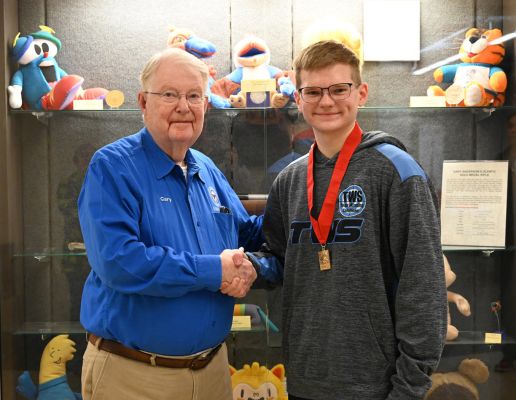
Precision champion Jack Orgoreuc came close to the elusive 3PAR 600×600 – shooting clean through 57 shots with an 8.9 on shot #58 (pictured here with Gary Anderson).

Along with individual competitions, a four-person team event is also held during the event.


Continue reading

Copyright

© Bowhunting.Net

Christmas Cash? Here’s Where to Spend it.

You may wonder what to buy if you received Christmas cash or gift cards.  Here are three great products you’ll use for 2025 and beyond.


Morrell High Roller Foam Target

This great target with the easy-to-carry handle is excellent for realistic practice with field points or broadheads.  It weighs about 15 pounds, light enough for easy transport yet hefty enough to absorb the fastest crossbow arrows.  A fun activity with this target is to literally “let it roll.”  Throw the target and shoot when it stops without ranging with a laser device.  This will quickly build confidence and hone your rangefinding skills.   Additionally, as you would find on a pair of dice, the target has small white dots,  ideal for “aiming small to miss small” practice.  www.Morrelltargets.com

Moultry Edge II Trail Camera and Universal Solar Power Pack

How about a digital camera system that is “Hang it and forget it?”  I have posted two Moultrie cameras and am very pleased with the results, especially when attached to a Universal Solar Power Pack.  As the name implies, this screen generates power from sunlight and stores it in its internal battery.  A downside of a cellular camera with a built-in solar screen is the placement direction.  Normally, it is best not to have a camera facing east or west because the sun’s rays will distort or cause false triggers.  However, if you want the highest performance from the solar panel, it should be facing east or west.  The Universal Solar Power Pack attaches independently of the camera allowing for optimal placement of both.  www.MoultrieProducts.com

Final Rest Rip-N-Grip Shooting Tripod

As a pre-teenage shooter, I learned the importance of a shooting rest and embraced the Final Rest Rip-N-Grip tripod for several reasons.  First, it does precisely what a shooting rest is supposed to do- hold the crossbow steady.  The Final Rest is a clasping rest that allows a person to lock the crossbow onto the rest, which frees both hands to operate rattling horns, turkey calls, or binoculars.  When hunting from a blind, a hunter can set the bow up for a particular shot and make minimal movement when game shows up at close range.  At other times, I keep the clasping jaws open so that the bow will rest in place yet be moved easily. The Final Rest is ideal for sighting in a crossbow or testing for point-of-aim.  It sets up quickly and provides a solid base for accuracy with a single shot.  The adjustable tripod legs allow a rest shot from a sitting through a standing position, and uneven terrain is easily accommodated. www.final-rest.com


Continue reading

Copyright

© Bowhunting.Net

The Art of Shot Placement

Shot placement is one of bowhunting’s critical elements.  Changing from tight groups on paper targets to realistic 3-D targets and then to live animals is the journey every successful hunter must travel.  Unlike paper and 3-D targets, those darned bucks don’t stand still and often appear in unexpected locations.  Placing an arrow in the most lethal area possible is the skill of shot placement and is relevant to rookies and veterans.  As you will see in this short video, Ryan Kirby uses his incredible artistic talent to draw deer anatomy.

As Editor, I stalk the internet looking for new products, hunting tactics, and videos keen to bowhunting.  We wish you all the best in the New Year and hope you’ll keep returning for the latest bowhunting excitement.

Copyright

© Bowhunting.Net
MERRY CHRISTMAS- MAY YOUR HOLIDAY BE FREEZER FULFILLING

Copyright

© Bowhunting.Net
The Association Applauds Passage of ACE Act Reauthorization

The Association of Fish and Wildlife Agencies (Association) applauds the Senate for securing final passage of the America’s Conservation Enhancement Reauthorization Act of 2024 (S. 3791). Earlier this week, the full Senate passed the bill by unanimous consent after its overwhelmingly bipartisan passage in the House earlier this month. Once enacted, it will ensure continuation of some of the nation’s most successful conservation programs including the National Fish Habitat Partnership (NFHP) and the North American Wetlands Conservation Act (NAWCA).

“These programs are indispensable to the scientific management of our natural resources, empowering state agencies to ensure abundant fish and wildlife, healthy habitats, and recreational opportunities for all Americans” said Judith Camuso, Commissioner of the Maine Department of Inland Fisheries and Wildlife and President of the Association. “On behalf of the state agencies entrusted to steward these resources and the millions of hunters, anglers, and outdoor recreationists across the country, we thank Chairman Carper (D-DE), Ranking Member Capito (R-WV), and the entire Senate for once again passing this bill unanimously.”

Since its inception in 1981, NAWCA has put more than 3,300 projects on the ground in North America thanks to more than $5 billion from partners, leveraging federal dollars more than 2-1 to conserve and restore almost 32 million acres of wetlands. Likewise, NFHP continues to be one of the most effective and highly leveraged conservation programs in the nation, having already led to over 1,500 successful conservation projects in all 50 states for the benefit of fish, their habitats, and anglers throughout the country.

“State fish and wildlife agencies and their partners will continue to deliver on the trust placed in them,” said Ron Regan, Executive Director of the Association. “We thank Congress for renewing its commitment to conservation and look forward to building an even more successful legacy for these programs.”

Among other vital provisions, the Chesapeake Bay program is reauthorized, and states are ensured the necessary authority to continue regulating types of fishing tackle based on localized effects for the next five years. The bill also includes measures to combat Chronic Wasting Disease and reauthorizes funding for livestock depredation compensation and prevention.


Continue reading

Copyright

© Bowhunting.Net
THE RITON PROMISE WARRANTY CONVERTS TO TRANSFERABLE UNLIMITED LIFETIME WARRANTY

TUCSON, AZ – As the calendar readies to turn to 2025, Riton Optics is offering peace of mind for dealers and users alike with the conversion of The Riton Promise Warranty to a fully-transferable unlimited lifetime warranty.

“As hunters and shooters ourselves, we wanted to offer the highest level of support we could to our customers, but also to our network of dealers, so they can have absolute confidence in all aspects of the Riton brand,” said Brian Young, Vice-President of Sales at Riton.

The Riton Promise Warranty will require no proof of purchase to exercise and will cover any manufacturer defect as well as accidental damage or breakage. The warranty will cover variable power optics, binoculars, spotting scopes, and unlike many other brands, red dot optics as well.

“We stand behind our products,” said Chris Varas, Assistant Director of Product Research and Development. “When we looked at our processes, we were already going above and beyond for our customers anytime we could. We were already functioning like this, because a quality customer experience matters so much to us, but we weren’t promoting it. There just wasn’t any reason not to do this,” he concluded.

Like all unlimited lifetime warranties, there are exclusions to what is covered, such as loss, theft, or deliberate damage.

Riton Logo
Continue reading

Copyright

© Bowhunting.Net
Spike Bucks- Shoot or Pass?

Many hunters take a spike buck, sometimes known as an 11-pointer, as their first deer, and that animal is the thrill of their lifetime.  Every deer with a bow or crossbow is an achievement that only a hunter can appreciate.  However, some believe that spike bucks should be culled because their breeding results in more spikes that will never grow a mature rack.  Fortunately, deer breeders and researchers have settled this question and this video demonstrates the results.

Once a Spike, Alway…

Copyright

© Bowhunting.Net
Keeping Warm in Late Season

The wind chill was in the teens, and I could hunt a heated blind or sit on a ridgetop facing a northwest wind.  I chose the latter because of a large scrape and a few freshly rubbed saplings.  A big buck was using this runway, and I hoped that impatient hunters on the last day of Maryland’s rifle season would cause deer to cross the ridge within easy bow range.

Dress for the Cold

As I’ve grown older, I don’t embrace cold weather as I once did; however, I’ve learned to prepare for frigid weather by dressing accordingly.  My program is as follows:

Dress dry- I drive to my hunt club in street clothes and dress at the clubhouse to have zero perspiration.I begin with an Alps Moreno wool base layer.I wear fleece-lined pants with a pair of insulated camo pants over themI wear light socks and Dryshod insulated boots.A down vest and a heavy down coat as an outer layerA warm hat and neck gator are criticalSit on a warm cushion that reflects complete body heat.

Check Out this Program


Copyright

© Bowhunting.Net
Learn to Drive Your RV

2 minutes reading time (470 words)

Driving an RV is a unique experience compared to regular vehicles, but with practice and the right techniques, you can navigate safely and confidently. Here's how to get started:

1. Get Familiar with Your RVDimensions Matter: Know your RV's height, length, and width to avoid low clearances and tight spaces.Weight Awareness: Understand the vehicle's weight and how it affects braking and handling.Blind Spots: Adjust mirrors and learn the areas you can't see to avoid accidents.2. Practice in a Safe AreaFind a large, open parking lot or an empty area to practice:Turning: RVs need wider turns. Practice swinging out before turning to avoid curbs or obstacles.Reversing: Use a spotter or backup camera to help guide you. Go slow and steady.Parking: Practice backing into spaces and parallel parking if necessary.3. Plan Your RoutesStick to highways and RV-friendly roads when possible.Use RV-specific GPS devices or apps like RV Life to avoid low-clearance bridges, narrow roads, or weight-restricted areas.Plan fuel stops ahead of time to find gas stations that accommodate large vehicles.4. Take It SlowDrive at a comfortable speed, especially on unfamiliar roads.Allow extra time for braking and acceleration due to the RV's weight.Avoid sudden lane changes or sharp turns to keep the RV stable.5. Learn to Use Mirrors and CamerasAdjust side mirrors so you can see the rear tires and traffic behind you.If equipped, use a backup camera for reversing but rely on mirrors for awareness of your surroundings.6. Master Braking TechniquesStart braking earlier than you would in a car, especially downhill or with a full load.If your RV has air brakes, get familiar with their feel and response time.Use engine braking or downshifting on steep descents to reduce wear on the brakes.7. Navigate Tight SpotsGas Stations: Approach slowly, keeping an eye on overhangs and pump placement.Campgrounds: Scout the area first to plan your entry and exit routes.City Driving: Avoid peak hours and stick to main streets with fewer obstacles.8. Backing Up SafelyUse a spotter if available. They can communicate through hand signals or a phone.Take your time—small, controlled movements are safer than rushing.Keep the wheels straight until you're ready to angle the RV in the desired direction.9. Handle Hills with ConfidenceUphill: Shift to a lower gear to maintain steady power and prevent overheating.Downhill: Use engine braking or a lower gear to control speed without overusing the brakes.10. Stay Calm and Practice RegularlyThe more you drive, the more comfortable you'll become.Start with short trips to build confidence before tackling longer journeys.Take breaks often to reduce fatigue and stay alert.

By mastering these skills and taking your time, you'll soon feel comfortable driving your RV anywhere!

Continue reading
Tags:

Learn to Drive Your RV

2 minutes reading time (470 words)

Driving an RV is a unique experience compared to regular vehicles, but with practice and the right techniques, you can navigate safely and confidently. Here's how to get started:

1. Get Familiar with Your RVDimensions Matter: Know your RV's height, length, and width to avoid low clearances and tight spaces.Weight Awareness: Understand the vehicle's weight and how it affects braking and handling.Blind Spots: Adjust mirrors and learn the areas you can't see to avoid accidents.2. Practice in a Safe AreaFind a large, open parking lot or an empty area to practice:Turning: RVs need wider turns. Practice swinging out before turning to avoid curbs or obstacles.Reversing: Use a spotter or backup camera to help guide you. Go slow and steady.Parking: Practice backing into spaces and parallel parking if necessary.3. Plan Your RoutesStick to highways and RV-friendly roads when possible.Use RV-specific GPS devices or apps like RV Life to avoid low-clearance bridges, narrow roads, or weight-restricted areas.Plan fuel stops ahead of time to find gas stations that accommodate large vehicles.4. Take It SlowDrive at a comfortable speed, especially on unfamiliar roads.Allow extra time for braking and acceleration due to the RV's weight.Avoid sudden lane changes or sharp turns to keep the RV stable.5. Learn to Use Mirrors and CamerasAdjust side mirrors so you can see the rear tires and traffic behind you.If equipped, use a backup camera for reversing but rely on mirrors for awareness of your surroundings.6. Master Braking TechniquesStart braking earlier than you would in a car, especially downhill or with a full load.If your RV has air brakes, get familiar with their feel and response time.Use engine braking or downshifting on steep descents to reduce wear on the brakes.7. Navigate Tight SpotsGas Stations: Approach slowly, keeping an eye on overhangs and pump placement.Campgrounds: Scout the area first to plan your entry and exit routes.City Driving: Avoid peak hours and stick to main streets with fewer obstacles.8. Backing Up SafelyUse a spotter if available. They can communicate through hand signals or a phone.Take your time—small, controlled movements are safer than rushing.Keep the wheels straight until you're ready to angle the RV in the desired direction.9. Handle Hills with ConfidenceUphill: Shift to a lower gear to maintain steady power and prevent overheating.Downhill: Use engine braking or a lower gear to control speed without overusing the brakes.10. Stay Calm and Practice RegularlyThe more you drive, the more comfortable you'll become.Start with short trips to build confidence before tackling longer journeys.Take breaks often to reduce fatigue and stay alert.

By mastering these skills and taking your time, you'll soon feel comfortable driving your RV anywhere!

Continue reading
Tags:

The Joys of Full-Time RV Living: Embrace Freedom on the Open Road

For many, the thought of leaving behind a traditional home and hitting the road full-time in an RV might seem daunting. Yet, for thousands of adventurers, full-time RV living is more than just a lifestyle—it’s the ultimate expression of freedom and simplicity. Imagine waking up to breathtaking views, traveling at your own pace, and redefining what “home” means. If you’ve ever considered embracing this lifestyle, here’s a closer look at why so many are trading in their permanent addresses for a life on the move.

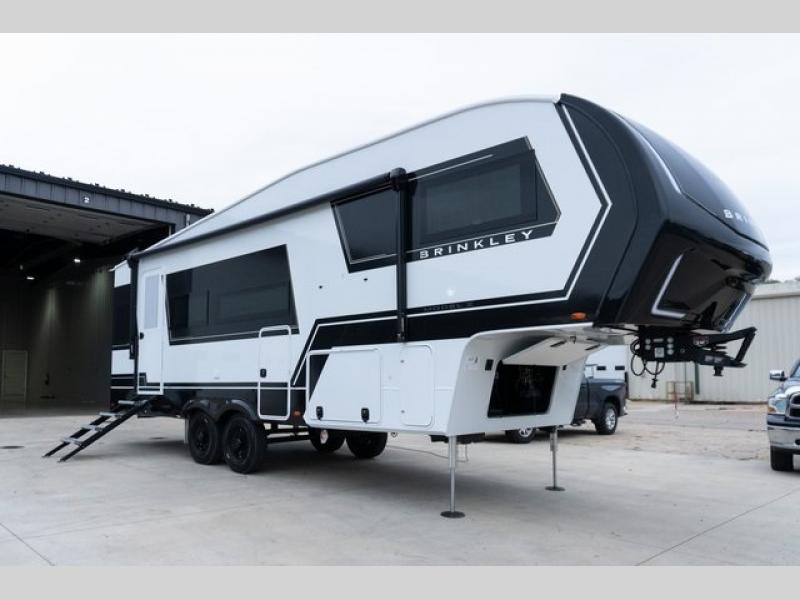
You’ll love traveling in thisBrinkley Model Z 2670 Fifth Wheelfor your family.

Why Choose Full-Time RV Living?

Freedom and Flexibility
One of the biggest draws of full-time RV living is the unparalleled freedom it offers. There’s no need to be tied to one location, and you can change your scenery as often as you like. Feel like spending a few weeks by a mountain lake or exploring desert landscapes? Just start the engine and go.

This flexibility also means you’re not bound by traditional schedules. Forget long commutes and rigid work hours. Many full-time RVers work remotely, giving them the ability to balance their careers with the adventure of traveling across the country.

Simpler Living
Living in an RV means downsizing, and with that comes the opportunity to embrace minimalism. It’s amazing how much we accumulate in traditional homes, often without realizing how little we truly need. By living with less, RVers find they have more time, energy, and money to focus on what truly matters—experiences, relationships, and personal growth.

Cost Savings
While the initial investment in an RV can be significant, full-time RV living often costs less than maintaining a house. There’s no mortgage, property taxes, or utility bills to worry about. Plus, with the ability to boondock (camp for free on public lands) or choose affordable campgrounds, many RVers save thousands each year compared to traditional living expenses.

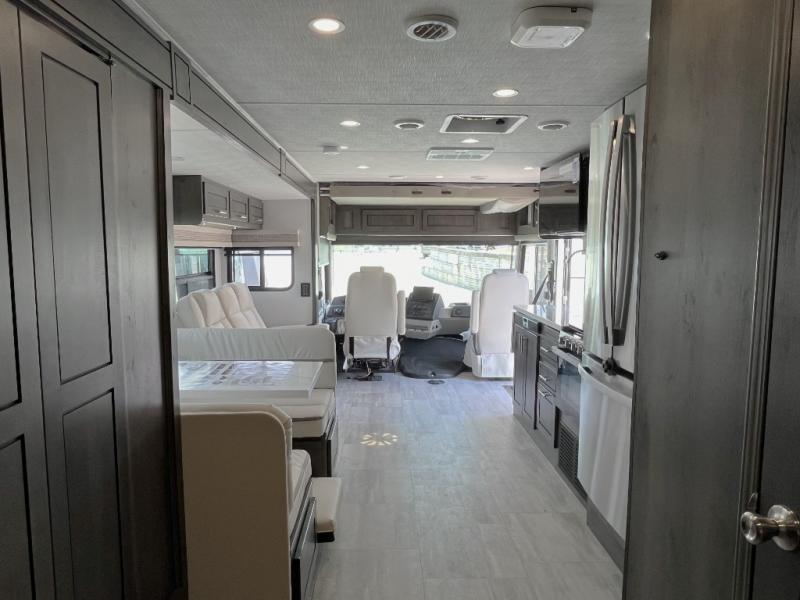
Forest River RV Georgetown 5 Series 36F5 Motor Home Class A interior view with a kitchen with a residential refrigerator, dinette, sofa, and cab seating area
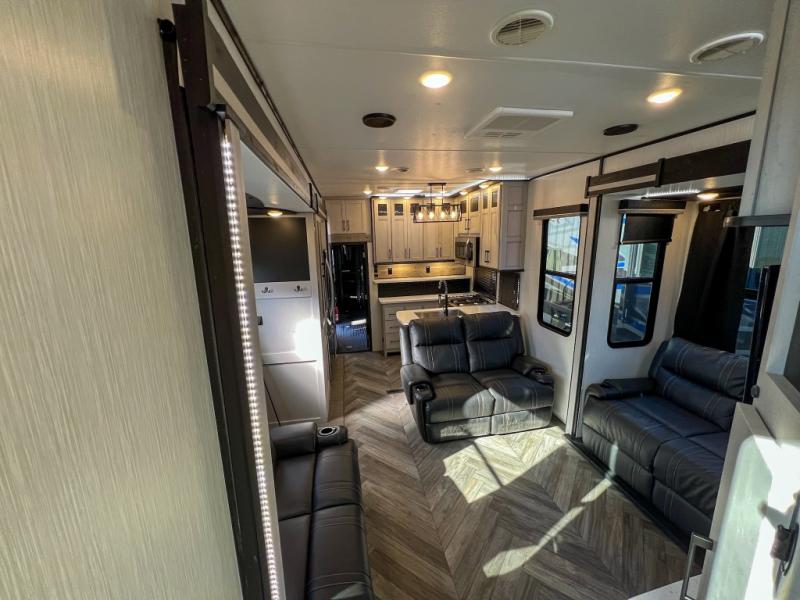
Used 2023 Heartland Cyclone 4006 Toy Hauler Fifth Wheel interior view of the living room and kitchen with a separated garage in the back
Continue reading
Tags:

The Joys of Full-Time RV Living: Embrace Freedom on the Open Road

For many, the thought of leaving behind a traditional home and hitting the road full-time in an RV might seem daunting. Yet, for thousands of adventurers, full-time RV living is more than just a lifestyle—it’s the ultimate expression of freedom and simplicity. Imagine waking up to breathtaking views, traveling at your own pace, and redefining what “home” means. If you’ve ever considered embracing this lifestyle, here’s a closer look at why so many are trading in their permanent addresses for a life on the move.

You’ll love traveling in thisBrinkley Model Z 2670 Fifth Wheelfor your family.

Why Choose Full-Time RV Living?

Freedom and Flexibility
One of the biggest draws of full-time RV living is the unparalleled freedom it offers. There’s no need to be tied to one location, and you can change your scenery as often as you like. Feel like spending a few weeks by a mountain lake or exploring desert landscapes? Just start the engine and go.

This flexibility also means you’re not bound by traditional schedules. Forget long commutes and rigid work hours. Many full-time RVers work remotely, giving them the ability to balance their careers with the adventure of traveling across the country.

Simpler Living
Living in an RV means downsizing, and with that comes the opportunity to embrace minimalism. It’s amazing how much we accumulate in traditional homes, often without realizing how little we truly need. By living with less, RVers find they have more time, energy, and money to focus on what truly matters—experiences, relationships, and personal growth.

Cost Savings
While the initial investment in an RV can be significant, full-time RV living often costs less than maintaining a house. There’s no mortgage, property taxes, or utility bills to worry about. Plus, with the ability to boondock (camp for free on public lands) or choose affordable campgrounds, many RVers save thousands each year compared to traditional living expenses.

Forest River RV Georgetown 5 Series 36F5 Motor Home Class A interior view with a kitchen with a residential refrigerator, dinette, sofa, and cab seating area
Used 2023 Heartland Cyclone 4006 Toy Hauler Fifth Wheel interior view of the living room and kitchen with a separated garage in the back
Continue reading
Tags:

Hunting Land Leasing

We get a lot of questions about how folks go about finding the right properties for hunting leases as well as how to find them and what the rules are. We reached out to Aaron Sutton, Managing Broker at National Land Realty. Aaron brings a vast amount of knowledge to the land sales market as an avid sportsman, conservationist, and role model to young hunters. He has traveled North Carolina hunting from the mountains to the coast and ventured throughout the US and Canada on hunting trips as well.  With over 15 years of real estate experience, Aaron understands how to obtain or sell properties with the customer’s best interests at heart.  He also has created a niche for himself by building relationships amongst clients as he promotes integrity, honesty, and creating mutual trust between himself and buyers or sellers.  

1. What exactly is a land lease, and how does it work?

There are different types of leases, but a land lease is exchanging money for the use of a property. Hunting leases are strictly recreational, so you’ll get more enjoyment out of it as opposed to a farm lease which is more of a business lease. 

3. Who typically rents land for hunting, and what kind of land are they looking for?

Typically it’s groups of people looking for private land to hunt on. The type of property they’ll look for varies because different regions of the country provide different experiences. For example, duck hunting properties are really common in Arkansas, whereas the Midwest is more deer hunting. Acreage size varies regionally a lot too. Here in North Carolina, we have smaller tracts that have been divided up over the years. Out in the Midwest though, you’ll see more multi-thousand-acre tracts with a single owner.


Continue reading

Copyright

© Bowhunting.Net
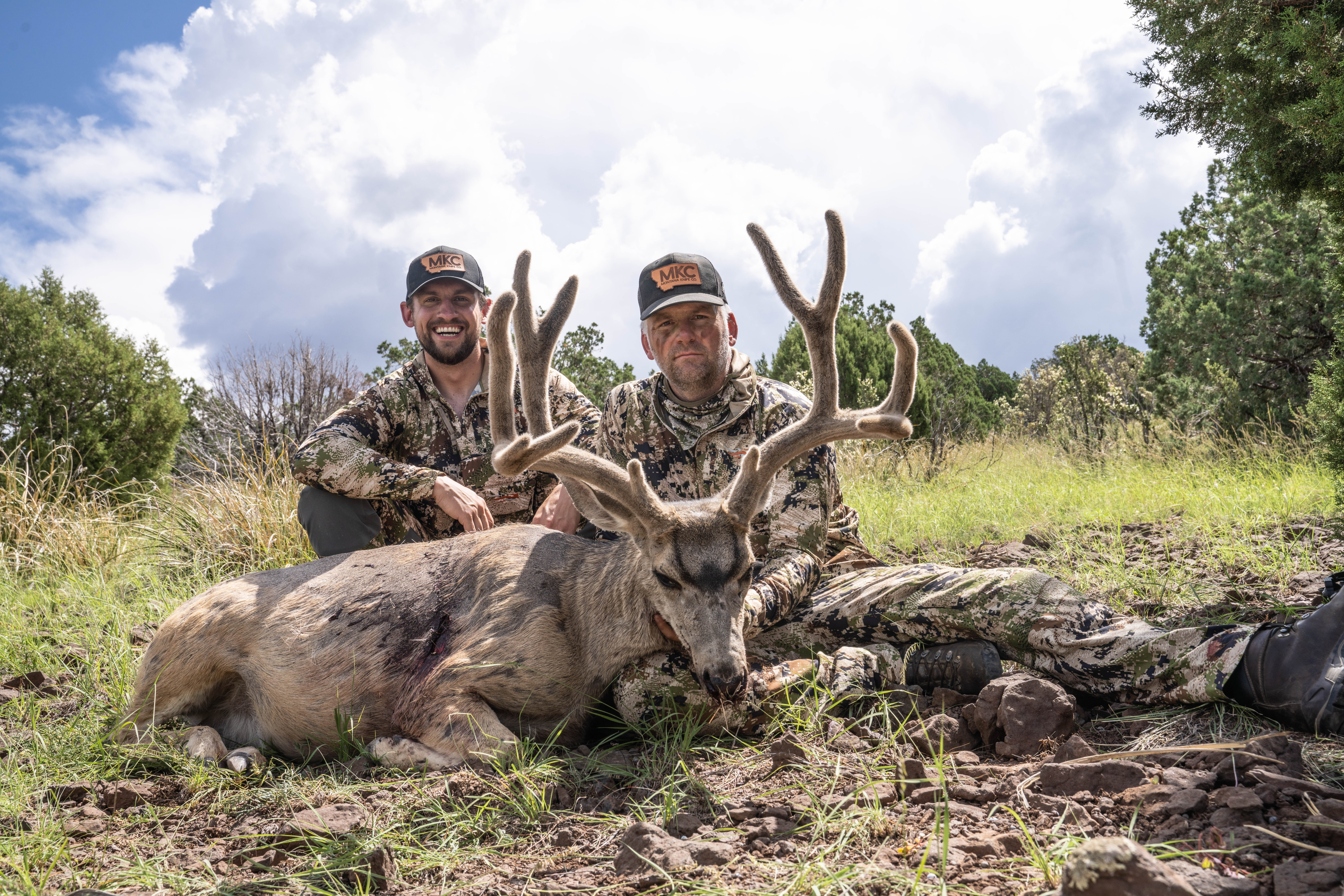
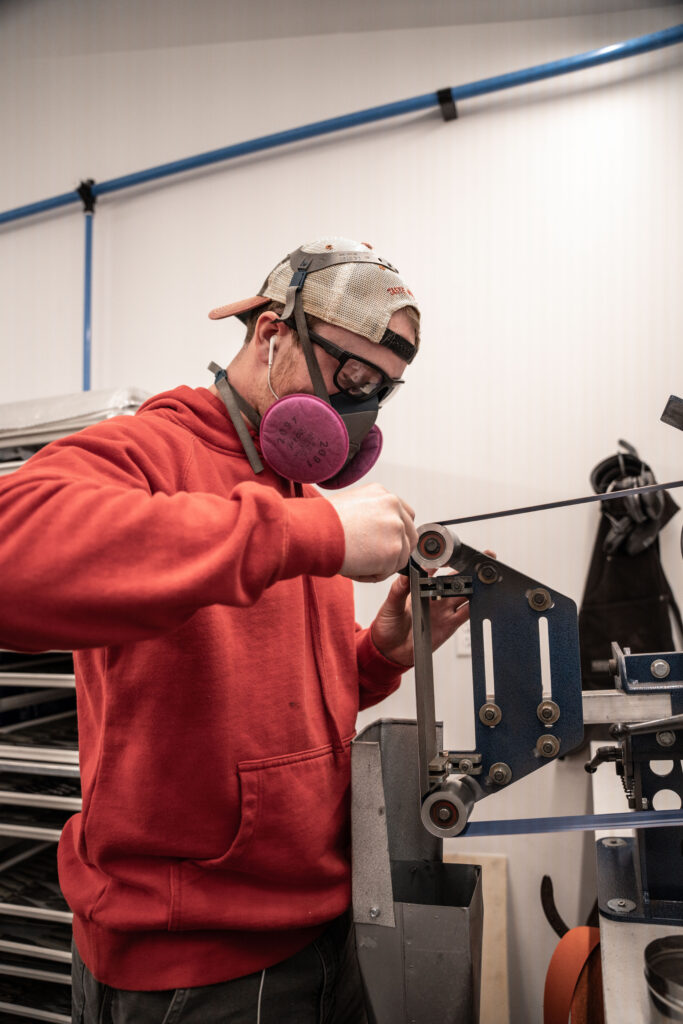
Josh Smith – Montana Knife Company

Can you share more about your story starting MKC? How did you first get interested in the business?

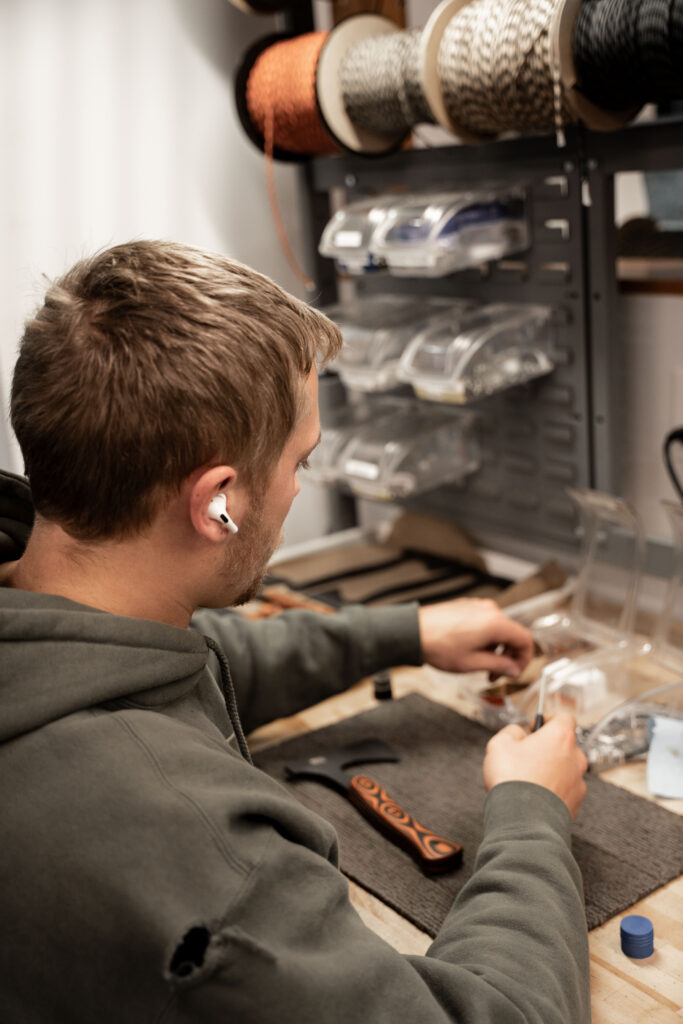
Starting Montana Knife Company was really the culmination of a lifelong passion. I made my first knife when I was just 11 years old, and I became obsessed with bladesmithing, eventually earning my Master Bladesmith title at age 19.. Over the years, I realized there was a need for quality, American-made knives specifically built for hunters and outdoorsmen, designed to hold up to the tough demands of our environment. That’s where MKC was born. I wanted to combine my skills as a bladesmith with my love for Montana to create knives people could rely on for generations.

How did growing up in Montana influence your interest in starting MKC?

Montana is a big part of who I am. Growing up here, you learn to respect the land and the work that goes into making something last. We’re a state of hunters, ranchers, and hard-working folks who rely on good tools, and that’s a huge influence on MKC. It’s about building something that’s practical, tough, and true to the Montana way of life. I wanted to create a product that’s as rugged and reliable as the people who use it.

How has the business evolved since 2020 when it first started?

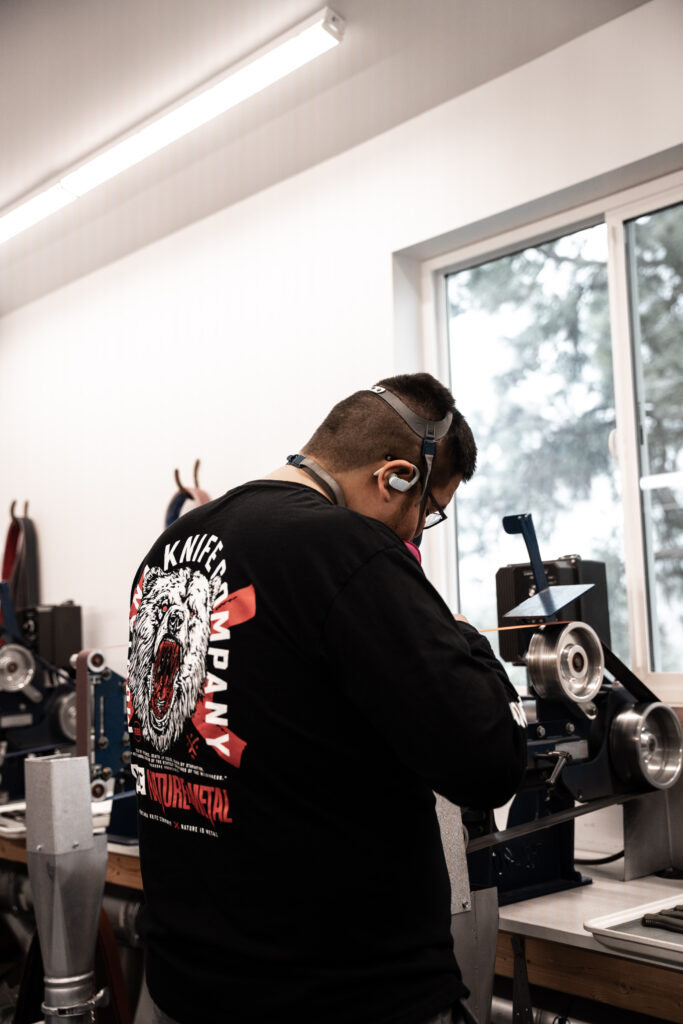
When we launched in 2020, it was a leap of faith. I started out small, with just a one design and the help of my kids in my garage, but we quickly saw demand take off. Since then, we’ve expanded our lineup and grown our team, but the core of what we do—crafting high-quality knives with purpose—has stayed the same. Now, with our new facility being built in Missoula, we will be able to bring even more jobs to the community and keep up with demand, while still focusing on craftsmanship.

How does your role as the Master Bladesmith keep you engaged in the work and business?

As a Master Bladesmith, I’m deeply involved in every aspect of the knife-making process, from design to testing. Being hands-on with the craftsmanship keeps me connected to what makes MKC unique. It’s not just about running a business for me; it’s about creating products I’m proud to put my name on. Every knife that leaves our shop has to meet the standards I’ve set as a bladesmith, and being involved in that process is what keeps me passionate about the work.

What differentiates MKC from other knife manufacturers?

Our knives are built for the real-world needs of hunters and outdoorsmen, and they’re made right here in Montana. No other major knife company is actually led by a master bladesmith. We focus on creating tools that are dependable, versatile, and durable enough to pass down. We also do things a little differently with our drop releases, so we’re producing in smaller, focused batches that let us keep quality high. We’re proud to offer knives that are made with precision and designed specifically for people who share our love for the outdoors.

Josh Smith


Continue reading

Copyright

© Bowhunting.Net

Outdoorsmen