


Photo by Wikipedia
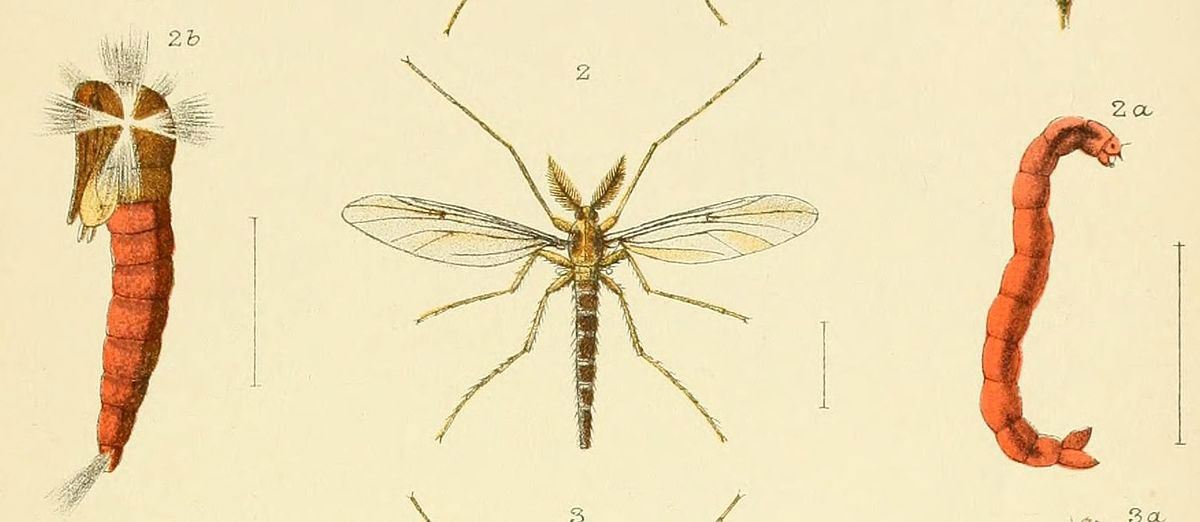
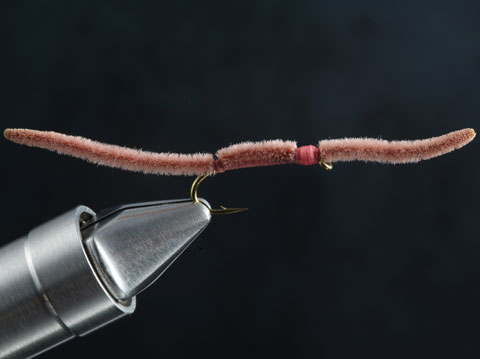
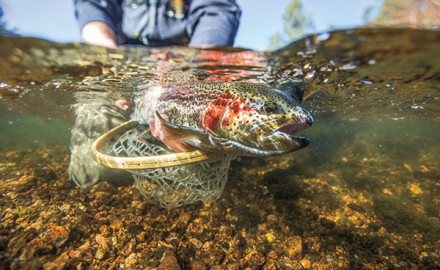
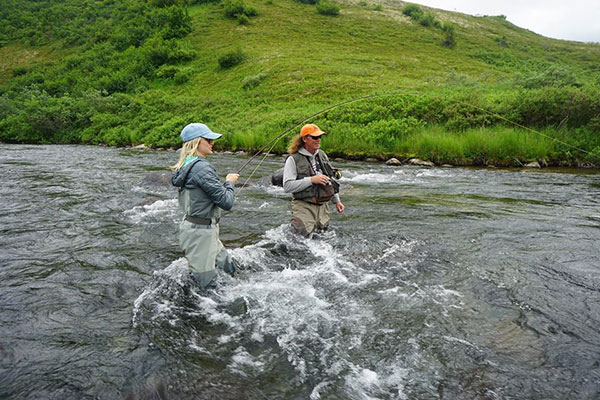
Any tailwater trout fisherman worth this salt will tell you that midges are the go-to fly pattern — and the dominant insect species — in the outlet streams immediately below the dams that hold back larger reservoirs. Especially in the colder months, catching big fish on tiny flies is a seasonal discipline and an eye opening rite of passage for those new to the sport. Lake fishermen are also aware of the overall value of Chironomids (belonging to the enormous order of insects called Diptera), and when the hatch gets frustrating, dropping a tailless size #22 emerger in the film below a dry fly has saved many fishing days.
Recent scientific study is indicating that midges contribute more value to the health and vitality of lakes and tailwater streams than has been previously realized. Researchers from the Leibnitz-Institute for Freshwater Ecology and Inland Fisheries in Berlin, working in conjunction with biologists in the UK, have determined that the activity of burrowing midges and certain classes of annelid worms work to increase oxygenation of lake bottom sediments up to 300% more than had been previously assumed. The process, known as bioirrigation, increases infusion of oxygen and promotes aerobic breakdown by bacteria of the fine organic materials in sediment, providing available nutrients for species throughout associated ecological webs.
Using the bioactive tracer dye Resazurin, the researchers were able to measure the contribution of oxygen that the insects were making to the substrate they were burrowing into. Resazurin is light blue dye that turns a bright fluorescent pink after being converted via cellular metabolic processes in living organisms. Resazurin has been used in previous studies to assess the total insect biomass in stream bottoms — measuring direct respiration of the organisms — but in the case of the lake sediment research, the amount of converted resafurin in the treated sediment was used as an extrapolation of available oxygen for the midges to breathe in the first place.
Photo by Wikipedia