Hunting and Fishing News Blog Articles

Stay up-to-date on hunting, fishing and camping products, trends and news.

NEBO and TRUE Deliver a Holiday Emergency Kit for Road and Home Readiness

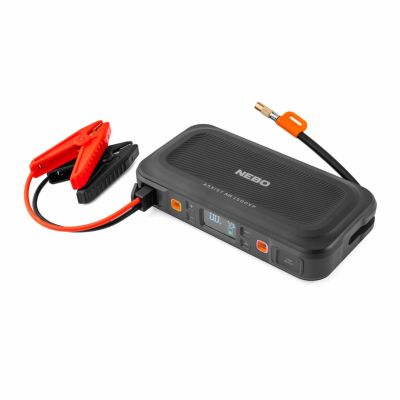
(NEBO Assist Air 1500XP)

Fort Worth, Texas (Nov. 3, 2025) – Holiday gatherings are often filled with laughter, long drives, and well-lit homes packed with loved ones. Whether preparing for a road trip across state lines or visiting relatives in neighborhoods where aging power grids struggle to handle festive lighting displays, readiness can make all the difference. A thoughtfully assembled “Holiday Emergency Kit” offers peace of mind during travel and at home, especially when unexpected situations arise.

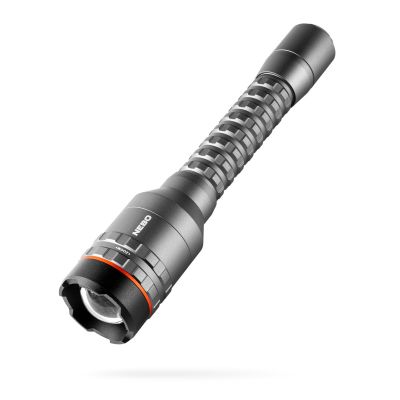
The right tools should cover three essential categories: lighting, power, and utility. When visibility is compromised, whether during a roadside emergency or a sudden outage in a crowded home, the NEBO DAVINCI 5000L flashlight stands out as a high-performance lighting solution. With adjustable zoom modes and a built-in power bank, this powerful handheld flashlight delivers the brightness needed to illuminate large spaces or focus in tight areas. It also provides backup phone charging when communication is critical.

The NEBO Assist Air 1500XP combines multiple tools into one compact powerhouse for more complex situations. This all-in-one unit includes a bright light, an air compressor for tires and inflatables, a jump starter for dead batteries, and a power bank for essential devices. Whether helping start a car on a cold morning or powering a small heater or fan during a blackout, the Assist Air 1500XP provides a reliable solution when conditions are less than ideal.

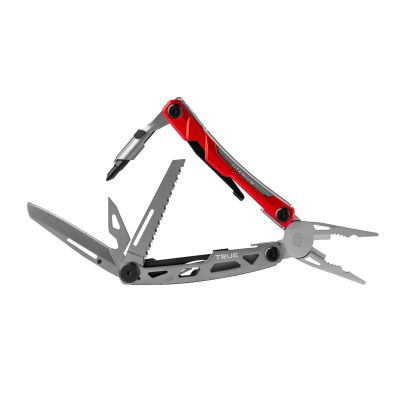
No emergency kit is complete without a multitool designed to solve everyday problems quickly. The TRUE Ti Pocket Multi-Tool is a lightweight and durable option that can tighten a loose bolt, open packaging, or assist with minor electrical fixes. From roadside adjustments to last-minute repairs inside a relative’s home, this tool provides quiet capability when it matters most.


™


Continue reading

Copyright

© Hunting and Hunting Gear Reviews

How to Hunt a Nocturnal Buck

The image of the big 8-point in the early afternoon was impressive.  Batteries in the camera had been dead for weeks in an area that was difficult to access.  This big buck and several smaller ones had endured three months of bow season, two weeks of rifle hunting, and two black powder stints, yet here it was.  Since baiting is legal in Maryland, I thought I’d increase my odds of bagging the deer by scattering half of a bushel of corn in the spot.  Ironically, that was the worst thing I could have done, as it caused an increased deer presence and forced Mr. Big back into a nighttime feeding routine.

Don’t Change Anything

Camera images are an excellent scouting tool, yet they can cause a hunter to overthink the situation.  Once a hot spot is found, it can be tempting to move a stand, cut more shooting lanes, put out scents, and use other aggressive tactics.  As I learned from the instance above, the best approach is to leave the situation as it is and use a saddle, climbing tree stand, or build a small ground blind on the perimeter to create a promising ambush.

Find a Pre-Rut Corridor

Finding a fresh rub or scrape is exciting, but you only have one piece of the puzzle.  Hunters have more success if they can capture a travel route a buck uses in the pre-rut, and this can be done by scouting the perimeter of the fresh sign or posting or moving additional cameras to learn that route.  It is particularly frustrating when you catch a great deer in your area at night, but it doesn’t show up during business hours.  The following video speaks of finding daylight opportunities at “nocturnal” deer and is a strategy that anyone can follow:

Here’s a Solid Plan

Wild Camo produces some of my favorite videos.  As a trained educator, I love the graphics she uses to make points and create a plan in a step-by-step method.  Here’s a strategy that anyone can pull off.


Copyright

© Hunting and Hunting Gear Reviews

  Big Bite & Northland New Products – Now Shipping

Irving, TX – Big things are always happening at GSM Fishing. New offerings from Big Bite Baits and Northland Tackle are just a few of the newest debuts for 2025 that are now in stock!

The Salt Sweeper Swing Head from Big Bite is built to pull in any inshore gamefish out there. Featuring a double-down screw lock bait keeper, the Salt Sweeper is especially killer on calico bass. The Salt Sweeper comes 2 per pack and is available in the following sizes: ⅜ oz-2/0, ½ oz-3/0, and ¾ oz-4/0. Get yours today at Baits.com.

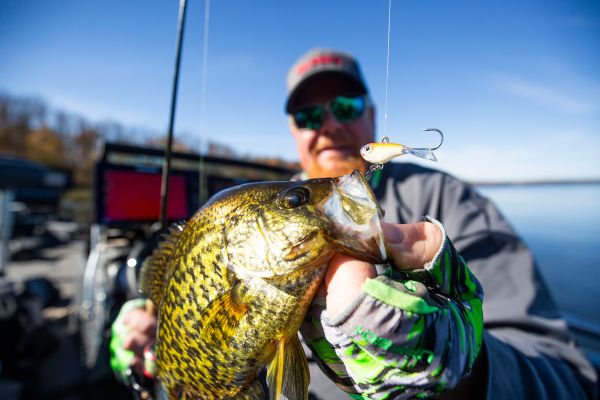
The Tungsten Crappie Queen adds a little flash into the Northland Tackle panfish lineup. With a tungsten build that gets the bait down to fish in a hurry, the Crappie Queen is dressed in metallic angel hair tinsel, flashing as it dances in the strike zone. Coming 2 per pack, the Tungsten Crappie Queen can be found at Baits.com.

The Northland Twitchin’ Puppet features an over-molded resin body and tail that’s extremely durable. Incredibly lifelike, the Twitchin’ Puppet has a seductive darting and gliding action, as well as a variety of realistic colors that are guaranteed to match the hatch. Available at Baits.com.

Stay up to date with all the new baits and brand announcements on Facebook as well as other GSM Fishing social media platforms. For additional questions or comments, please email [email protected]


Continue reading

Copyright

© Hunting and Hunting Gear Reviews

The Biggest Buck of my Life Came to Rattling Antlers- Here’s How

“Do you have rattling horns?” asked the stranger as I climbed down from my all-day sit in an Alberta tree stand. “It really works during the first week of November.”    I hadn’t brought rattling antlers with me, but my outfitter found a pair that I took back toward the stand the next morning.  Also, instead of driving me to the tree stand, I asked him to drop me off by the highway, and I’d walk the half mile across a huge alfalfa field.  I had rattled hundreds of times back home in Maryland, and it had never worked, but I was willing to take the local’s advice.  As the first hint of dawn broke, I paused in an island of trees in the enormous hay field and banged bone against bone.  In the distance, I saw what I thought was a coyote, jogging toward me.  As the animal crested a small hill, my heart stopped.  This was a big Alberta buck and headed right for me.  Thanks to the rattling trick, the mature buck came on a frozen rope.

My Second Biggest, Almost

That buck fell in the late 1990s, but it gave me confidence enough to carry rattling antlers or at least a rattling bag on every whitetail hunt, especially during the rut.  I was invited to hunt in the suburbs of Washington, D.C., a few years ago, and climbed into a tree stand in early afternoon.  My host asked me to shoot a doe, and it wasn’t long until a mature nanny came by.  Using an Excalibur crossbow, I shot it at 32 yards and created a swift demise with a massive blood trail.  In the cold November temperature, I pulled the doe near a tree and climbed back in the stand for the last hour of daylight.  I began using my grunt tube and soon heard a steady crunch of leaves approaching the stand.  At 50 yards, I caught the first glimpse of large antlers when the buck stopped suddenly, sniffed the blood trail, and turned directly away.  I grunted aggressively, yet the buck continued to shy away.  Grabbing my rattling bag, I banged it loudly, which stopped the buck.  I began grunting, and the deer came a few steps closer, but stopped.  Back to the “horns,” the deer approached another few yards.  For the next five minutes, I inched the big deer closer until it stopped in a small opening 42 yards away.  I ranged the deer, aimed carefully (I thought), and shot.  The arrow cut white hair under its chest.  In the excitement, I had shot the 30-yard reticle for the 40.  This was a monster buck, and I can’t discount the effects of buck fever.

Jim Schell’s Favorite Time

“Here’s your buck,” said Jim Schell, owner of Rough Country Outfitters of Wyoming, at the Eastern Sports and Outdoor Show.  I had booked a whitetail hunt with Schell the previous year and had to cancel at the last minute.  The picture was of a great buck my “replacement” had taken after Schell rattled it into range. “We have great success rattling in big bucks from November 7-11.  It can work at other times, but in my experience, that time period works best.”

Keep the Faith

Few tricks in the whitetail woods work every time, but that doesn’t mean they are ineffective.  When I bowhunt in rifle seasons in South Dakota, I seek out the thickest cover I can find and have had success replicating a fight between dominant deer.  Younger bucks seem to respond best, but just as in the two cases above, rattling could lure in the biggest buck of your life. I once had a young 6-point buck walk within 10 yards of my spot on three occasions, responding to antler crashing.  Eventually, he got bored because the noise stopped. I’d wait 10 minutes before starting another session, and he came back two more times.

Tricks of the Trade

I recall attending seminars where experts advised on how often to rattle, where, and when.  In my experience, it tends to work best in the early morning, especially when the air is still and a buck can hear the comotion for half a mile.  Grunts and bleats don’t travel well, but the “tink” of bone-on-bone can lure a buck from a neighboring property or sanctuary.  I engage a rattle bag or antlers for about 30 seconds in short bursts and then lay the horns down.  Bucks can come crashing in to investigate, and you want your bow in your hands.  Sometimes, sharing personal experiences —such as the one I have done in this post —is more meaningful than presenting statistics.  As the rut heats up, I believe your chances of a big deer will improve if you use this trick.  It doesn’t work often, BUT IT ONLY HAS TO WORK ONCE!


Continue reading

Copyright

© Hunting and Hunting Gear Reviews

Mike Wilgus of Team Winchester-Team White Flyer is the 2025 NSCA National Champion; Fanizzi Captures 3rd Place Honors

CLAYTON, MO (October 30, 2025) — Winchester Ammunition and White Flyer congratulate Mike Wilgus as he claimed his first National Sporting Clays Association National Championship title. Additionally, Team Winchester and Team White Flyer shooter, Joe Fanizzi joined Wilgus on the podium, claiming third place. The championship was held October 18-26, 2025, at the National Shooting Complex in San Antonio, Texas.

This wraps up an incredible year for Wilgus. At the last four major NSCA Regionals, Wilgus placed in the top three overall scores across multiple events including Main events, as well as winning the Veteran Champion Title at the last three Regionals and the Diamond Classic.

Winchester and White Flyer would also like to congratulate Desi Edmunds, 2025 NSCA Hall of Fame inductee, on her Runner Up finish in the Ladies Main Event and third place in the Winchester Ladies Cup Overall at the NSCA National Championship.

Team Winchester and Team White Flyer placements include:

Mike Wilgus: Main Event Champion, Veteran Champion, Super Sporting Runner Up, Super Sporting Veteran Champion, K-Kup Runner Up, Pro-AA Five Stand 3rdJoe Fanizzi: Main Event 3rdDesi Edmunds: Ladies Main Event Runner Up, K-Kup Ladies Runner Up, Winchester Ladies Cup 3rdConnor Daniel: Main Event Junior 4th, FITASC Junior 4th

All Team Winchester and Team White Flyer members compete with Winchester AA® shotshells, the most preferred target shotshell among sport shooters. For 60 years, the famous AA® target shotshell has been used by recreational and sport shooters throughout the world. Known for its hard shot, reloadable hull, clean-burning powder and consistent patterns, the AA® target shotshell is available in multiple load specs, making it the clear choice for time spent on the range.


Continue reading

Copyright

© Hunting and Hunting Gear Reviews

Two Deer Calls You Can’t Be Without

The 120-class 9-point stepped within 10 yards as I gazed through the bows of a small pine tree.  It was barely shooting light on the first morning of the hunt, and the mature buck had come directly to my grunt calls.  It was a good buck, but could I shoot before the hunt’s first sunrise?  As the deer stood upwind, I heard a wheeze —the only time I’ve heard that in the wild —and an indication that this was a dominant buck.  Nonetheless, I didn’t raise my crossbow and allowed the deer to walk.  What a memory!

HS is bringing back the original True Talker, shown here with my original, which is 30 years old.

Don’t Leave Home Without It

I carry a Hunter’s Special “True Talker” grunt tube whenever I hunt deer and especially during late October and through November, whether I’m sitting in a stand or sneaking through the woods.  My “talker” is 30 years old and not in production today, but its predecessor, the OG, is available on Amazon, and I love it for its deep guttural sound.  Grunting sounds don’t travel very far, whether made from a buck or a caller, due to the low pitch of the sound, so louder is usually better.  If a buck is close, you can blow into the call more softly to lower the volume.

Available on Amazon, don’t be without this caller.

Do No Harm

The thing I love about a grunt tube is its almost universal acceptance in the deer woods.  When blown in the occasional “contact grunt” form with a puff every couple of seconds, a buck will either stop and look, approach, or ignore the sound and walk away.  Although rarely touted as a benefit, a grunt tube can also calm down a doe that has seen you, and I’ve had this work on several occasions.  On one hunt in South Dakota, we had a day of 20-40 mph winds that howled out of the west, so bad that everyone but me stayed in camp.  I believed that grunting from downwind of a thick bedding area would lure out a buck.  On my second try, I heard a doe snort and began grunting aggressively.  Kneeling under a batch of cedars, I soon had white antlers coming right for me.

Estous Bleat

On an Illinois rut hunt, I watched a buck follow a doe atop a ridge, just out of range.  Using a Wood Wise estrous bleat call, I lured the buck away from the doe and under my stand.  Unfortunately, it was a 120’s deer on a property with a 140 minimum, and I watched it walk away, wishing I was back home where I’d have been happy to launch an arrow.  Primos sell the “can call,” which is the easiest bleat sound to make.  Last fall, I had a buck show up under my stand by randomly using the bleat, and allowed my grandson to take his first buck with a crossbow.


Continue reading

Copyright

© Hunting and Hunting Gear Reviews

Two Deer Calls You Can’t Be Without

The 120-class 9-point stepped within 10 yards as I gazed through the bows of a small pine tree.  It was barely shooting light on the first morning of the hunt, and the mature buck had come directly to my grunt calls.  It was a good buck, but could I shoot before the hunt’s first sunrise?  As the deer stood upwind, I heard a wheeze —the only time I’ve heard that in the wild —and an indication that this was a dominant buck.  Nonetheless, I didn’t raise my crossbow and allowed the deer to walk.  What a memory!

HS is bringing back the original True Talker, shown here with my original, which is 30 years old.

Don’t Leave Home Without It

I carry a Hunter’s Special “True Talker” grunt tube whenever I hunt deer and especially during late October and through November, whether I’m sitting in a stand or sneaking through the woods.  My “talker” is 30 years old and not in production today, but its predecessor, the OG, is available on Amazon, and I love it for its deep guttural sound.  Grunting sounds don’t travel very far, whether made from a buck or a caller, due to the low pitch of the sound, so louder is usually better.  If a buck is close, you can blow into the call more softly to lower the volume.

Available on Amazon, don’t be without this caller.

Do No Harm

The thing I love about a grunt tube is its almost universal acceptance in the deer woods.  When blown in the occasional “contact grunt” form with a puff every couple of seconds, a buck will either stop and look, approach, or ignore the sound and walk away.  Although rarely touted as a benefit, a grunt tube can also calm down a doe that has seen you, and I’ve had this work on several occasions.  On one hunt in South Dakota, we had a day of 20-40 mph winds that howled out of the west, so bad that everyone but me stayed in camp.  I believed that grunting from downwind of a thick bedding area would lure out a buck.  On my second try, I heard a doe snort and began grunting aggressively.  Kneeling under a batch of cedars, I soon had white antlers coming right for me.

Estous Bleat

On an Illinois rut hunt, I watched a buck follow a doe atop a ridge, just out of range.  Using a Wood Wise estrous bleat call, I lured the buck away from the doe and under my stand.  Unfortunately, it was a 120’s deer on a property with a 140 minimum, and I watched it walk away, wishing I was back home where I’d have been happy to launch an arrow.  Primos sell the “can call,” which is the easiest bleat sound to make.  Last fall, I had a buck show up under my stand by randomly using the bleat, and allowed my grandson to take his first buck with a crossbow.


Continue reading

Copyright

© Hunting and Hunting Gear Reviews

From The Scrape

My SpyPoint cameras have been working overtime over the past few days due to increased buck activity around my scrapes. Many bucks are moving during the night, while some are visiting the scrapes early in the morning and right before sunset. Testosterone levels are at their peak, and it’s only a matter of time before things become even more active. What’s most surprising about this week’s footage is that most of the videos were recorded today!


October 27th
On October 27th, my cameras were triggering throughout the day as bucks visited the scrapes. With the temperatures low, the deer were active all day long. If anyone had been sitting in any of my stands, they likely would have had a chance to take a shot at a buck. One buck in particular came out into the rye food plot to work on the Buckstik and really focused on it. This serves as a great example of how bucks engage with a scrape to leave behind as much gland secretion as possible.


October 28th
On October 28th, deer movement and activity were steady. New bucks have begun to appear at the scrapes, leaving their individual scents. As the rut approaches, both bucks and does will continue to increase their activity at these scrapes. It’s always enjoyable to observe the activity at my scrapes during the final days of October. Watch as this curious buck uses his nasal gland to investigate who has been at the BuckStik.


Continue reading

Copyright

© Hunting and Hunting Gear Reviews

One Big Beautiful Lawsuit: The Latest Opinion Piece in Firearms News

Silencer Shop Leads the Charge to Challenge the NFA’s Century-Long Grip on the Second Amendment

DENVER (October 30, 2025) – Available now on FirearmsNews.com, is an in-depth editorial on the National Firearms Act (NFA)’s long-standing grip on the Second Amendment in the piece, “One Big Beautiful Lawsuit,” by News Field Editor Darwin Nercesian. The article explores the bold legal battle spearheaded by Silencer Shop and its allies to dismantle key provisions of the NFA of 1934. This law has long been criticized as a draconian infringement on Second Amendment rights.

Nercesian delves into the history of the NFA, its controversial origins as a tax law rather than a criminal statute, and the decades of erosion it has caused to Americans’ constitutional freedoms. The article highlights the coalition of Second Amendment advocates—including Silencer Shop, Gun Owners of America (GOA), Palmetto State Armory (PSA), SilencerCo, B&T USA, and the Firearms Regulatory Accountability Coalition (FRAC)—who have united to challenge the NFA’s registration and taxation schemes in federal court.

“The NFA has stood as a symbol of government overreach for nearly a century,” said Darwin Nercesian. “This lawsuit, filed on the Fourth of July, is a declaration of independence from unconstitutional restrictions on silencers, short-barreled firearms, and any other weapons (AOWs). It’s a fight for liberty, and Firearms News is committed to covering every step of this historic battle.”

Firearms News encourages readers to stay informed and engaged as this lawsuit unfolds and is committed to covering this pivotal case in every issue throughout 2026.

Continue reading

Copyright

© Hunting and Hunting Gear Reviews

One Big Beautiful Lawsuit: The Latest Opinion Piece in Firearms News

Silencer Shop Leads the Charge to Challenge the NFA’s Century-Long Grip on the Second Amendment

DENVER (October 30, 2025) – Available now on FirearmsNews.com, is an in-depth editorial on the National Firearms Act (NFA)’s long-standing grip on the Second Amendment in the piece, “One Big Beautiful Lawsuit,” by News Field Editor Darwin Nercesian. The article explores the bold legal battle spearheaded by Silencer Shop and its allies to dismantle key provisions of the NFA of 1934. This law has long been criticized as a draconian infringement on Second Amendment rights.

Nercesian delves into the history of the NFA, its controversial origins as a tax law rather than a criminal statute, and the decades of erosion it has caused to Americans’ constitutional freedoms. The article highlights the coalition of Second Amendment advocates—including Silencer Shop, Gun Owners of America (GOA), Palmetto State Armory (PSA), SilencerCo, B&T USA, and the Firearms Regulatory Accountability Coalition (FRAC)—who have united to challenge the NFA’s registration and taxation schemes in federal court.

“The NFA has stood as a symbol of government overreach for nearly a century,” said Darwin Nercesian. “This lawsuit, filed on the Fourth of July, is a declaration of independence from unconstitutional restrictions on silencers, short-barreled firearms, and any other weapons (AOWs). It’s a fight for liberty, and Firearms News is committed to covering every step of this historic battle.”

Firearms News encourages readers to stay informed and engaged as this lawsuit unfolds and is committed to covering this pivotal case in every issue throughout 2026.

Continue reading

Copyright

© Hunting and Hunting Gear Reviews

2026 Conklin Winner is DSC Life Member Jeff Demaske

We’re thrilled to share that The Conklin Foundation’s 2026 Award Winner is DSC Life Member, Jeff Demaske! Jeff’s passion for the mountains and dedication to the pursuit of conservation have earned him this prestigious recognition, with 13 Grand Slams and countless other mountain trophies to his name.

Congratulations, Jeff!

Jeff Demaske was born in Mauston, Wisconsin, in 1968. He started hunting at an early age on his family farm in central Wisconsin, primarily hunting grouse and squirrels with a .410/.22 over/under shotgun. Eventually, he moved on to hunting white-tailed deer. After graduating from Tomah High School, where he excelled in wrestling and football, Jeff attended the University of Illinois to play football. After college, Jeff moved to Greeley, Colorado, and started multiple construction, land development, and infrastructure companies.

Jeff met his wife, Jann, in Greeley and married in 1993. Not long after, they were blessed with two daughters: Madeline and Elizabeth. While raising his daughters and building his businesses, Jeff continued hunting deer and elk in Colorado and neighboring states. Jeff feels very fortunate for his extremely supportive wife, who has always encouraged him to pursue his passion. He is also grateful for his daughter Madeline, who has become his hunting partner, traveling the world with him to hunt sheep and goats in Asia, Canada, and Europe. Madeline is an accomplished hunter in her own right and works as an attorney for SCI. Jeff is equally thankful for Elizabeth, who, after graduating from Colorado State University, has become an integral part of his businesses and works alongside him on a daily basis.

Jeff’s primary passion is mountain hunting. He has hunted 36 Ovis species, harvesting more than 91 rams, including multiples and completing 13 Grand Slams of North American Sheep. He’s successfully harvested 38 Capra species, with over 50 total billies. In total, he has harvested more than 300 species around the world. In addition to his passion for mountain game, Jeff always looks forward to his yearly trips with friends and family to hunt white-tailed deer and mule deer on his ranch in Kansas.

Not only is Jeff a dedicated hunter, but he is a staunch conservationist. He is a life member of the Wild Sheep Foundation, Grand Slam Club/Ovis, Safari Club International, Dallas Safari Club, and countless smaller chapters and affiliates. He is a dual member of the WSF Marco Polo Society (#29 and #100) and gives back by 100% donating hunts to the

Original author: HLNews


Copyright

© Hunting and Hunting Gear Reviews

SpyPoint Force 24

Cellular cameras are excellent options if you live in an area with strong service. However, if you lack reliable cellular coverage and still want to use cameras without spending too much, what alternatives are available? Is there an affordable option that performs well and is easy to set up? Battery life is another important consideration. I often ask these same questions when evaluating traditional trail cameras because I want the best quality at a reasonable price. When the SpyPoint Force 24 camera was released, I was amazed by its price and the features it offered. Was the camera worth the $49.99 price tag? Would it perform as expected? I decided to purchase one and share my thoughts on its performance.


SpyPoint Force 24 Camera
The SpyPoint Force 24 camera operates on 8 AA batteries and can also be powered by a solar panel. It features a 24-megapixel camera, capable of capturing 2K video with sound and high-quality photos. The camera has a trigger speed of 0.5 seconds and a detection and flash range of up to 70 feet. Inside the camera, there is a 1.5-inch screen that makes setup and programming easy. A standard SD card is required for the Force 24; I recommend using a 128 GB card while running the camera in 1-minute video mode.


Bell and Whistles
I was surprised to discover some impressive features while exploring the settings. The Force 24 includes Infrared Boost Technology, Low Glow LED mode, Continuous Mode, Time-Lapse Mode, and Time-Lapse Plus Mode. These features provide hunters with a wide range of options for customizing how the camera operates. I couldn’t believe the variety of options available in a camera priced at just $49.99.


Continue reading

Copyright

© Hunting and Hunting Gear Reviews

Sage Hunting Advice for the Last Week of October

Fresh scrapes are pure excitement. Primarily, if the pawed earth is large in size and there’s not a single leaf in the dirt.  Brian Kitghtlinger did a great job of covering the four types of scrapes in his post last week, and here’s a step further.  Many sponsors are urging you to use their products to score as the rut draws near, but here’s a strategy that has high success and is easy to embrace.

A Scrape Ignored

I do media work in South Dakota every year and do my best to squeeze in a day or two of deer hunting once the work is complete.  On my last trip, I had just one day with no time to scout, so I headed to a location that had proven very productive in previous years.  As I waded a small stream in the first light of dawn, I walked past a fresh scrape that had been refreshed from previous years.  I was tempted to hunt there but moved another 50 yards to the far side of the creekbed to take advantage of a west wind.  In the first hour of the day, I saw movement through the dense brush and found a mature 10-point and an 8-point at the scrape.  The crossbow shot was obstructed, and as soon as the deer left, I moved closer, and within 30 minutes, a 6-point came to the same spot.  The deer saw me sitting against a tree, and we had several minutes of eye contact until it relaxed and looked away, just enough time to fill my tag.

Night Scrapes

Over the years, I have hunted many scrapes with little success, primarily because I didn’t see them as places where bucks make one scrape and move on.  The honey hole of scrapes is finding primary scrapes that are fresh and show a progression of movement.  In this way, you can see that a buck is using this scrape line as a travel corridor.  Dale Strubel is a senior hunter who shares his expertise in the following video.  His advice is simple but effective and parallels my experience over 50 years in the deer woods.

Old School Advice


Copyright

© Hunting and Hunting Gear Reviews

Sage Hunting Advice for the Last Week of October

Fresh scrapes are pure excitement. Primarily, if the pawed earth is large in size and there’s not a single leaf in the dirt.  Brian Kitghtlinger did a great job of covering the four types of scrapes in his post last week, and here’s a step further.  Many sponsors are urging you to use their products to score as the rut draws near, but here’s a strategy that has high success and is easy to embrace.

A Scrape Ignored

I do media work in South Dakota every year and do my best to squeeze in a day or two of deer hunting once the work is complete.  On my last trip, I had just one day with no time to scout, so I headed to a location that had proven very productive in previous years.  As I waded a small stream in the first light of dawn, I walked past a fresh scrape that had been refreshed from previous years.  I was tempted to hunt there but moved another 50 yards to the far side of the creekbed to take advantage of a west wind.  In the first hour of the day, I saw movement through the dense brush and found a mature 10-point and an 8-point at the scrape.  The crossbow shot was obstructed, and as soon as the deer left, I moved closer, and within 30 minutes, a 6-point came to the same spot.  The deer saw me sitting against a tree, and we had several minutes of eye contact until it relaxed and looked away, just enough time to fill my tag.

Night Scrapes

Over the years, I have hunted many scrapes with little success, primarily because I didn’t see them as places where bucks make one scrape and move on.  The honey hole of scrapes is finding primary scrapes that are fresh and show a progression of movement.  In this way, you can see that a buck is using this scrape line as a travel corridor.  Dale Strubel is a senior hunter who shares his expertise in the following video.  His advice is simple but effective and parallels my experience over 50 years in the deer woods.

Old School Advice


Copyright

© Hunting and Hunting Gear Reviews

Fall Gobbleers- The Perfect Side Hustle

Fall turkeys are an exciting challenge and pair perfectly with hunting the pre-rut.  Many states, like Pennsylvania and West Virginia, have a week or two when both deer and turkeys are in season and obtainable on the standard license.  These same two bowhunting powerhouses also have their archery bear seasons in as well, so TALK ABOUT EXCITEMENT!

Love the Oaks

Deer, bears, and wild turkeys love acorns, and if you can find a stand of oaks that are still dropping or have dropped a surplus of nuts, you have a keen spot for success.  Best of all, whatever gear you are using for whitetail deer will work well for turkeys or bears, and if you are dressed in camo and in a tree stand or saddle, you’ll likely get a shot at a relaxed animal.  Aiming points for turkeys are the neck and center of the back for close shots, and the top of the leg, which is virtually the center of the bird on a broadside angle.

Fool a Flock

The three toms shown in the lead photo fed in front of my stand this morning, one week before the PA season opens.  Although they were in a failed late-season cornfield, they basically ate grass as I watched them through my binoculars from a friend’s Amish-built elevated box blind.  Gobblers form bachelor groups at this time of year, and if you spot one longbeard, you are likely to see several.  Large flocks of turkeys are often hens and this year’s poults.  Gobblers don’t usually strut in the fall, but they do gobble and can be lured with a raspy, yelp that has a deeper sound and slower cadence than a hen call.

Light Gear

With the rut approaching, a hunter can easily load up with rattling antlers, a grunt tube, scent attractants, bleat call, and more.  Luckily for a fall gobbler, all you need is a mouth diaphragm or, better yet, a box caller with a “gobble side” that easily makes the sound of a tom.  Since deer and turkeys often occupy the same terrain, calling like a wild turkey won’t spook deer and may act as a confidence sound that “the coast is clear.”

Enhanced Accuracy

The box blind I hunted this morning is designed as a rifle stand for shots at 75-100 yards.  I’m not interested in shooting at those ranges because an animal’s slight movement can ruin the shot, yet I have complete confidence out to 50 yards.  I’m a longtime fan of Burris Optics, especially their OracleX scope that has a built-in rangefinder, and I set it atop my Barnett Raptor BCX.  With the push of a button, the scope ranges and provides a tiny red aiming point, perfect for the small kill zone of a wild turkey.  The window for multiple game animals in season is very short, so do your best to get into the woods.  Good Luck!


Continue reading

Copyright

© Hunting and Hunting Gear Reviews

The Time is Now!

If you ask a serious bowhunter where they want to be during the last week of October and the first week of November, you’ll likely notice a typical response. Many will say, “I want to be near a bedding area or a natural funnel, hunting over a primary scrape.” These few weeks are crucial for hunting over scrapes. Do you know which scrapes to target? Are you aware that there are different types of scrapes? If you’re unsure about the differences, read on carefully to ensure you’re in the right place at the right time.


Competition Scrapes 
Most competition scrapes begin to appear once bucks shed their velvet. These scrapes serve as a form of communication among bucks, signaling their presence in the area and indicating to each other to stay away. During this time, testosterone levels in bucks are just starting to rise, and there’s no immediate concern about breeding. These competition scrapes are typically hit at night and are short-term, usually ceasing after the first part of October. Since most archery seasons start at the end of September or the beginning of October, hunting over these scrapes can be difficult. However, they can help indicate whether a buck is using the area for bedding.


Beware of Random or Secondary Scrapes
Bucks often create scrapes in various random locations as they travel. A buck may make a scrape near an active licking branch but only visit it once. This is why these are referred to as random scrapes. The occurrence of random scrapes increases as bucks prepare for the rut. It’s essential to carefully identify these scrapes so you can set up in the correct location to intercept an active buck.
The primary focus of this video is watching a buck create a random scrape. If you look closely, you’ll see a doe alongside the buck. A low-hanging branch fell during a strong windstorm, which prompted the buck to create a scrape at that spot. Despite having a camera set up in the area, I never observed another buck visiting or working that scrape. The buck likely believed it was a good location to signal to others that he had been there. It’s advisable to avoid hunting over or near random or secondary scrapes, as the likelihood of a buck visiting them is pretty low.


Primary Scrapes
A primary scrape is typically found along heavily traveled trails, in dense vegetation where deer move, and near doe bedding areas. Bucks will work these scrapes year-round, but the most intense activity occurs during the pre-rut and rut. A primary scrape often features one or more licking branches, which bucks use frequently, and the area beneath these branches tends to be heavily worked. I prefer to hunt near primary scrapes in late October and early November because I encounter a variety of bucks throughout the day. If you have a primary scrape on your property, it’s essential to set up a stand nearby.


Continue reading

Copyright

© Hunting and Hunting Gear Reviews

What Happens When You Bump a Deer?

Does a vehicle moving through the woods scare deer away or just bump them a 100 yards or so?  If you spook deer from a field, will they leave the area to find another food source?  These are questions that hunters have been asking for decades, and there is probably no answer that works every time, yet thermal drone technology allows us to watch how deer react.   The response to our last thermal drone article was good, so I’ll follow up with this post from Wildlife Research.

Rod Keck’s Advice

I once hunted in Nebraska with Rob Keck, who was the Executive Director of the National Wild Turkey Federation.  With a title like that, one might think of him as just a “turkey man,” yet he hailed from South Carolina, where bag limits are very liberal, and he excelled at filling them.  We were given stands for the morning hunt and debated how to get there without spooking deer in the flat terrain.  I considered sneaking in along a two-track, but Keck had a better plan.  “Let’s have the farmer drop us off in his truck,” he said, reasoning that deer were used to that sound.  We did, and I had deer near my stand as soon as daylight arrived.

Deep Woods vs Farmland

Maryland’s black bear season opened on Monday, and I offered my box blind to a hunting buddy, especially since the opening-day weather was forecast to be rainy and windy.  The box blind is just below the top of a mountain, and the challenge was getting there without making noise or using headlights.  After an intense discussion at the clubhouse, he decided to drive to the top of the ridge, park the UTV where the wind would blow its scent down the other side, and then walk to the blind.  Although I don’t often drive the logging roads of our hunt club, others frequently do, and one day I drove noisily up a steep hill when deer jumped up on both sides of the road.  Had they been 75 yards or more from the path, I doubt they would have moved at all.  They had to hear the loud engine and tires chugging up a rocky road, yet they held still until I was nearly on top of them.

Here’s What the Thermal Drone Found After Spooking 100 Deer


Copyright

© Hunting and Hunting Gear Reviews

Should you Take a Frontal Shot on a Whitetail Deer?

Sitting against my favorite tree, a suspicious doe eventually moved past me, or so I thought.  When I turned my head, she snorted and bolted 30 yards away, where she alarm snorted loudly.  My grunt tube in hand, I “urped” loudly several times, and she snorted again.  I grunted, she snorted, but on the third exchange, she became quiet and walked away.  Suddenly, another deer appeared walking directly toward me, a 2.5-year-old 8-point buck, apparently intrigued by the commotion.  It appeared at 40 yards, walked to 30, then 20. Even closer, it glanced away. I raised my Excalibur, placed the red dot in the center of its chest, and released.

Change of Plans

At one time, I believed that a frontal shot on a deer or elk was an unethical shot.  In the case of my South Dakota 8-point, the deer expired 75 yards away, and the shot was both lethal and expedient.  I believe this was an ethical shot for several reasons.  First, the range was a close 15 yards, and the deer was standing still.  Secondly, I was sitting on the ground with direct access to its vitals.  Also, a sitting position provided a semi-rest shot, allowing the Burris red dot to settle solidly on its chest.  I am wearing an orange hat because the firearm season is open, forcing deer into thick creek bottoms, which is why this spot is so productive.

A Lesson from a Mule

I once hunted elk in Idaho with outfitter Darwin Vander Esch.  Our camp of six was about to pack into the Seven Devils Wilderness when Vander Esch walked a mule over to us.  Holding the mule by the halter, he said decisively, “Do not pass up a frontal shot.”  Using the mule, which is about the size of a bull elk, he pointed to the area just below the neck and showed us the basketball-sized area to aim for.  Vander Esch was an expert at luring elk with a bugle, and those animals approached head-on.  Nearly a third of his hunters took bulls with the frontal shot that season.

The Angle Matters

Frontal shots on whitetails from a tree stand are nearly always ill-advised due to the angle of the shot, so the prospect of a frontal opportunity may seem very remote.  However, if you scout during deer season or sneak to or from a stand, you may have a buck walk into you, especially during the rut when their senses are intently focused on does.  I remember walking back to my truck after a morning tree stand hunt when a pie-bald 6-point came running toward me.  It had been jumped by another hunter and stopped at 20 yards, and looked toward its back trail.  The shot would have been easy, yet I thought it was unethical, so I waited for the deer to be broadside.  In an instant, it raced past me, and I never released an arrow.  If you are on the ground, the range is close, and you have a steady aim, I believe this shot is both lethal and ethical.  The following video shows the structure of the rib cage and gives you an excellent picture of the shot.  I urge you to take the next five minutes and view the animal’s skeletal structure.

Vidseo Comment


Copyright

© Hunting and Hunting Gear Reviews

St. Croix Family of BrandsImplements New Brandmarks

PARK FALLS, WIS. (October 16, 2025) – St. Croix has handcrafted the BEST RODS ON EARTH in the upper Midwest since 1948. Today, however, St. Croix is more than the premium American fishing rod manufacturer it’s been for the past 77 years. St. Croix is an angler-driven family of brands including St. Croix Rod, SEVIIN Reels, St. Croix Fly, Rod Geeks, and the St. Croix Factory Store.

“Our brands are distinct but connected by the common mission of delivering better fishing experiences for all anglers,” says St. Croix Vice President of Marketing, Jesse Simpkins. “It’s what we call our Upper-Hand Promise. It places anglers at the center of our decision making and drives every product we develop and bring to market.”

Headquartered in Park Falls, Wisconsin, St. Croix of Park Falls LLC is the parent company to the St. Croix Family of brands.

St. Croix Rod has been handcrafting the Best Rods on Earth for nearly eight decades. Combining state-of-the-art manufacturing processes, skilled craftsmanship, and the best angler service in the industry, St. Croix is the only major producer to still build rods entirely from design through manufacturing. The company remains family-owned, owning and operating duplicate manufacturing facilities in Park Falls and Fresnillo, Mexico. With popular trademarked series such as Legend®, Avid®, Premier®, Imperial®, Triumph® and Mojo, St. Croix is revered by all types of anglers from around the world. stcroixrods.com

Wherever and however you fish, the reel in your hand should help create better experiences. Born from St. Croix Rod’s seven decades of design and manufacturing expertise, industry-leading customer service, and unbroken private ownership by the Schluter family dating back to 1977, SEVIIN reels are meticulously engineered and purpose-built to help anglers conquer every species on every piece of water on the planet. SEVIIN focuses on reels and reels only, designing and marketing products that improve the angling experience, regardless of the rods anglers choose. Seven seas, seven continents, seven days a week, SEVIIN reels are fueled by a collective love of fishing surpassed only by a passion to deliver the most reliable reels on the water. seviinreels.com


Continue reading

Copyright

© Hunting and Hunting Gear Reviews

RXM Pistol Wins NASGW-POMA Best New Handgun and Overall Product Awards

Sturm, Ruger & Company, Inc. (NYSE: RGR) and Magpul Industries Corp. are proud to announce that the RXM pistol has been awarded both Best New Handgun and Best New Overall Product at the 2025 NASGW-POMA Caliber Awards.

The RXM pistol is the result of a tremendous collaborative effort between Ruger and Magpul, combining Ruger’s long-standing reputation for producing rugged, reliable firearms with Magpul’s innovative design and accessory expertise. Launched in 2024, the RXM is a modular, polymer-frame striker-fired 9mm pistol developed to meet the evolving needs of modern shooters, offering maximum flexibility and customization.

“We’re honored that our peers in the industry have recognized the RXM with these awards,” said Shawn Leska, Senior Vice President of Sales & Product Strategy at Ruger. “This project was a true collaboration between Ruger and Magpul, and the result is a pistol platform we’re incredibly proud to bring to market. The RXM reflects the innovation and dedication of both teams, and we’re excited to see it resonate so strongly with the shooting sports community.”

The annual NASGW-POMA Caliber Awards honor the highest caliber new products in seven product categories. Winners are chosen by an independent panel of 18 industry professionals, including wholesalers and media members, who keep a pulse on the latest product trends and innovations. This unbiased approach ensures that the most deserving products are recognized.

This year, NASGW members met on October 14 in Grapevine, TX, at the Annual Awards Dinner and Reception for the presentation of awards.


™
Continue reading

Copyright

© Hunting and Hunting Gear Reviews


Outdoorsmen