
Hunting and Fishing News Blog Articles

Stay up-to-date on hunting, fishing and camping products, trends and news.

Anatomy of a Gobble

Sometimes the best hunting advice has no words, and this is undoubtedly one of them.  As a bowhunter, you will see gobblers up close and it’s important to recognize “tells” about their behavior.  The more excited a gobbler becomes, the more its head changes color.  A tom about to breed will have a snow white head and its snood (that long, slender piece of flesh dropping from its head will get longer.

Red Isn’t Dead

If a gobbler approaches at close range and his head suddenly changes from white to red, the gobbler suspects danger.  Either it sensed you moving, a coyote sneaked in, or some other danger.  When feeling threatened, the snood will also get shorter.  If either or both of these changes occur, be ready to take the first high-percentage shot.

Where to Aim

I bagged two toms this spring with a Barnett crossbow, one taken with a Grim Reaper Crossbow head just above the beard and the other in “the shiny spot,” an area at the top of a gobbler’s legs.  This brief video offers a range of benefits for shooting and hunting, and it’s enjoyable to watch repeatedly.  Light it up, tom!

Here’s the Gobble


Copyright

© Bowhunting.Net
How to Store and Maintain Your Rifle Using a Soft Case

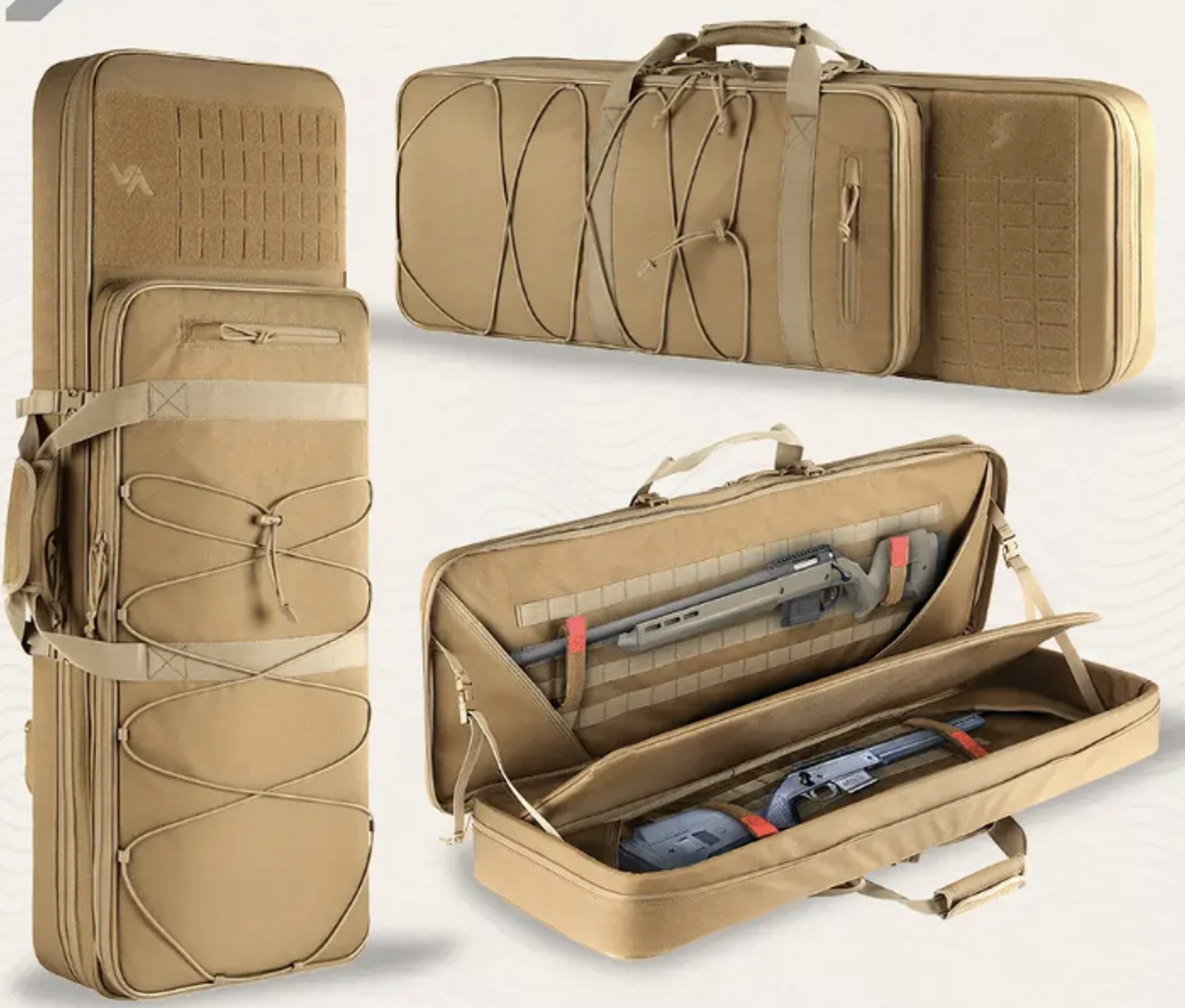
Proper rifle storage and maintenance are fundamental practices for any responsible firearm owner. Utilizing a soft rifle case is a convenient, lightweight, and protective solution — but it demands a precise approach to ensure both the rifle and the case remain in optimal condition over time. In this guide, we will cover how to store a rifle in a soft case, including cleaning, preparation, maintenance, and long-term storage practices.

Choosing the Right Soft Rifle Case for Storage

Selecting a high-quality soft rifle case is the first step in protecting your firearm. Look for these essential features:

Durable exterior fabric: Materials like polyester or ballistic nylon offer superior abrasion and tear resistance.

Thick padding: Dense foam padding (preferably closed-cell foam) provides critical impact protection.

Corrosion-resistant zippers: Heavy-duty, rust-proof zippers prevent moisture ingress and case failure.

Mold-resistant linings: Soft interiors made from brushed tricot or fleece-like materials help avoid moisture retention and mildew.

Ensure the case fits your specific rifle model snugly but without compressing critical components such as the barrel, optics, or stock.

How to Prepare Your Rifle for Storage in a Soft Case

Before placing your firearm in a soft case, it must be properly prepared to prevent damage, corrosion, and operational degradation.

Unload and Inspect the Rifle

Always unload the rifle completely before storage. Verify that the chamber is empty, the magazine is removed, and the safety is engaged. Perform a full inspection to check for:


Continue reading

Copyright

© Bowhunting.Net

Statement from the Wild Sheep Foundation on the Disposal of Federal Public Lands

US federal public lands are home to [most of] the bighorn, desert bighorn, and Dall’s sheep in the country. The Wild Sheep Foundation (WSF) cannot sacrifice these lands any more than we could sacrifice these wild sheep that are our life’s mission.  We are committed equally to the entirety of the public land estate beyond the ranges of wild sheep.  The many values of these lands held in trust exceed the value of any other use or tenure.
 
Proposals to dispose of these lands emerge occasionally.  While no specific proposal has yet advanced in this Congress and administration, we are affirming our opposition to any proposal that would diminish public lands in size or quality.
 
No past proposal to dispose of public lands has succeeded. This testifies that the value of public lands in public hands has prevailed against the best and worst conceptions of disposal.  Those notions are again being voiced, so we are speaking against ill-consideration and for thoughtful commitment to gaining the best value from public lands now and in the future.
 
Instead of liquidating the value of public lands, we support multiplying their value.  This is what true conservation does.  Conservation – now misunderstood by too many – is use and care.  Uses produce values for people now, and care sustains those values for people in the future.  Care is both restraint in what we use today and active management and restoration for what we can use later.  Use includes both what people take away from the land and what we enjoy and leave in place.  Properly conserved, our public land asset will produce wildlife and wood, minerals and memories, excitement, and energy, and many other products, either with economic prices or priceless ecological value.
 
WSF supports two approaches to achieve the sustainable multiplication of public land values.
 
Public land policies must reactivate conservation from a 50-year-old lapse.  The prohibitive policies of recent decades turned the wisdom of a precautious “hard look” before acting into the folly of an endless stare of idleness.  Projects of all purposes take years to devise, more years to litigate, and still more to carry out.  Nature moves faster than that, and we need to catch up.
 
Also, existing public land policies governing transfers, swaps, acquisitions, and boundary consolidation must be applied more effectively to improve the overall value of public lands.  Any tract of public land sold for a good reason – such as its condition, isolation, or inaccessibility – should fund the improvement and acquisition of public lands retained for good reason.
 
As any landowning family knows, the estate is a valuable asset for what it produces and provides more than what it brings at sale.  When it’s time to sell, another family knows the same thing.  The United States as a family has no other to succeed it in the use and care of the public land estate.  Our lands are not for sale, they are forever.

Please consider sharing or emailing us your thoughts at [email protected].

The post Statement from the Wild Sheep Foundation on the Disposal of Federal Public Lands appeared first on HuntingLife.com.

Original author: HLNews


Copyright

© Bowhunting.Net

Turkey Season is Morel Season: Here’s How?

More secrets of the morel mushroom remain hidden than all the treasure on earth.  Mushrooms emerge as a relationship between tree roots and a fungus, the reason that “patches” of morels appear in the same place year after year, AND the reason why those locations remain top secret.  Even if a batch of tasty morels isn’t your primary goal, learning where these tasty yummies grow and how to find them can turn a silent turkey hunt into a culinary celebration.

A Shroomer Shares his Tactics


Copyright

© Bowhunting.Net
SCOTUS Denies Cert in Worth, SAF Win in Eighth Circuit Stands

BELLEVUE, Wash. — April 21, 2025 — In a case that could potentially have far-reaching implications for similar lawsuits across the nation, the U.S. Supreme Court has denied Minnesota’s Petition for Writ of Certiorari in Jacobson v. Worth, the Second Amendment Foundation’s (SAF) challenge to the 18-20-year-old carry ban in the state.

Minnesota asked the Supreme Court to take the case after SAF was granted an injunction at the district court and the Eighth Circuit Court of Appeals affirmed. The high court’s refusal to hear the case means the Eighth Circuit’s ruling stands as a final judgment, confirming SAF’s win. 

“We are encouraged with today’s ruling, that the Supreme Court was happy to let the Eighth Circuit Court of Appeals’ decision that 18-20-year-olds are part of “the People” who have the right to carry a handgun for self-defense, stand,” said SAF Director of Legal Operations Bill Sack. “This ruling will have reverberations nationwide, where SAF is involved in multiple similar suits, seeking to restore the rights of young adults who face similarly unconstitutional laws in their home states.” 

Originally filed in June 2021 as Worth v. Harrington, SAF is joined by the Minnesota Gun Owners Caucus, Firearms Policy Coalition, and three private citizens, Kristin Worth, for whom the case is named, Austin Dye, and Axel Anderson. They are represented by attorneys David H. Thompson, Peter A. Patterson, John D. Ohlendorf and William V. Bergstrom at Cooper & Kirk in Washington, D.C. 

“Today’s cert denial confirms what we’ve said all along – the Second Amendment is not limited to those 21-years-old and above,” said SAF founder and Executive Vice President Alan M. Gottlieb. “We are cautiously optimistic the denial will have a positive impact in SAF’s challenges to similar bans in other states. Our goal is to remove any impediments for adults – no matter their age – to exercise their Second Amendment rights wherever they live.” 


Continue reading

Copyright

© Bowhunting.Net

Mobile Hunting Made Easy

The days of lugging heavy lock-on stands and long ladder segments are over. Treestand manufacturers utilize high-quality materials, such as ultralight aluminum, to produce superior products. Lightweight lock-on stands and climbing sticks have changed the game for serious hunters who like to be mobile.

Vantage Evolution

A few years ago, I purchased two lightweight treestands from XOP. I chose the Vantage Evolution model because the stand platform was small, the seat cushion was thick, and the stand weighed 10.9 pounds. Along with the stands, I also purchased the Quick Connect system. The Quick Connect system makes hanging and leveling the stand a breeze. I thoroughly enjoyed sitting in that stand. Later in the archery season, I harvested a beautiful 8-point from that stand.

YouTube Hunt Video: https://www.youtube.com/watch?v=11Nf1V49tSw&list=PLv3FZ6P9KVadeiqejbNd9s_U5QRD7O4f4&index=18

Climbing Sticks

XOP makes a set of climbing sticks called the X2. The sticks are unbelievably light, weighing 26 ounces. They come in a pack of 4 and feature a side-lock system for easy stacking, an extra-large standoff distance of 5 inches, and they are aider-ready, allowing you to space them further apart. Each XOP stick is approximately 18 inches long, and its aggressive teeth provide a tight grip on the tree. The four sticks together weigh slightly over 6 pounds!

Aiders are a Huge Help.

I never used climbing sticks before, but I wanted to try them. After getting my XOP sticks, I purchased aiders from Rich Witner to space my steps out further. After my aiders arrived, I headed to the farm with my XOP stand and X2 sticks to see where to hang them. I was amazed at how easily I could carry the stand and the sticks into the woods. I honestly felt like I wasn’t carrying anything. After locating a study maple tree near the bean field, I set up the sticks and hung the stand in under 10 minutes. It was so easy!


Continue reading

Copyright

© Bowhunting.Net

Famous RVs & Rigs

1 minute reading time (275 words)

1. Airstream Trailers

Status: Iconic American designWhy Famous: Sleek aluminum shell, timeless look, and built to last.Fun Fact: NASA used modified Airstreams to transport astronauts during the Apollo missions.2. Winnebago BraveStatus: Classic RV from the '60s and '70sWhy Famous: Bold "W" branding and a symbol of early RV boom in the U.S.Legacy: Many vintage Brave models are restored and still rolling today.3. Volkswagen Westfalia Camper VanStatus: Cult favoriteWhy Famous: Beloved by road trippers, surfers, and vanlifers for its compact design and fold-out camper features.Fun Fact: The pop-top roof and kitchenette made it an all-in-one adventure van decades before #vanlife was a trend.4. EarthRoamerStatus: Luxury off-grid explorerWhy Famous: Built on Ford Super Duty chassis with full off-road and off-grid capability.Who Buys It: Adventurers, overlanders, and even celebrities (think high-end wilderness rigs).5. GMC Motorhome (1970s)Status: Futuristic and ahead of its timeWhy Famous: Low-profile design with front-wheel drive—rare for RVs.Pop Culture: Featured in movies and still has a strong collector community.6. Prevost MotorcoachesStatus: Ultimate luxury tour busWhy Famous: Customized by rock stars, NASCAR drivers, and CEOs.Luxury Level: Think granite countertops, full bedrooms, and even recording studios on wheels.7. Skoolies (Converted School Buses)Status: DIY and uniqueWhy Famous: No two are alike—school buses transformed into fully livable, often off-grid, RVs.Culture: Popular among full-timers and minimalists for the freedom and creativity they offer.8. Mercedes-Benz Sprinter Van ConversionsStatus: Modern vanlife stapleWhy Famous: High-roof, diesel-powered vans easily customized for full-time travel.Used By: Everyone from solo travelers to small families living the minimalist dream.

RV Destinations

Tags:

Famous RVs & Rigs

1 minute reading time (275 words)

1. Airstream Trailers

Status: Iconic American designWhy Famous: Sleek aluminum shell, timeless look, and built to last.Fun Fact: NASA used modified Airstreams to transport astronauts during the Apollo missions.2. Winnebago BraveStatus: Classic RV from the '60s and '70sWhy Famous: Bold "W" branding and a symbol of early RV boom in the U.S.Legacy: Many vintage Brave models are restored and still rolling today.3. Volkswagen Westfalia Camper VanStatus: Cult favoriteWhy Famous: Beloved by road trippers, surfers, and vanlifers for its compact design and fold-out camper features.Fun Fact: The pop-top roof and kitchenette made it an all-in-one adventure van decades before #vanlife was a trend.4. EarthRoamerStatus: Luxury off-grid explorerWhy Famous: Built on Ford Super Duty chassis with full off-road and off-grid capability.Who Buys It: Adventurers, overlanders, and even celebrities (think high-end wilderness rigs).5. GMC Motorhome (1970s)Status: Futuristic and ahead of its timeWhy Famous: Low-profile design with front-wheel drive—rare for RVs.Pop Culture: Featured in movies and still has a strong collector community.6. Prevost MotorcoachesStatus: Ultimate luxury tour busWhy Famous: Customized by rock stars, NASCAR drivers, and CEOs.Luxury Level: Think granite countertops, full bedrooms, and even recording studios on wheels.7. Skoolies (Converted School Buses)Status: DIY and uniqueWhy Famous: No two are alike—school buses transformed into fully livable, often off-grid, RVs.Culture: Popular among full-timers and minimalists for the freedom and creativity they offer.8. Mercedes-Benz Sprinter Van ConversionsStatus: Modern vanlife stapleWhy Famous: High-roof, diesel-powered vans easily customized for full-time travel.Used By: Everyone from solo travelers to small families living the minimalist dream.

RV Destinations

Tags:

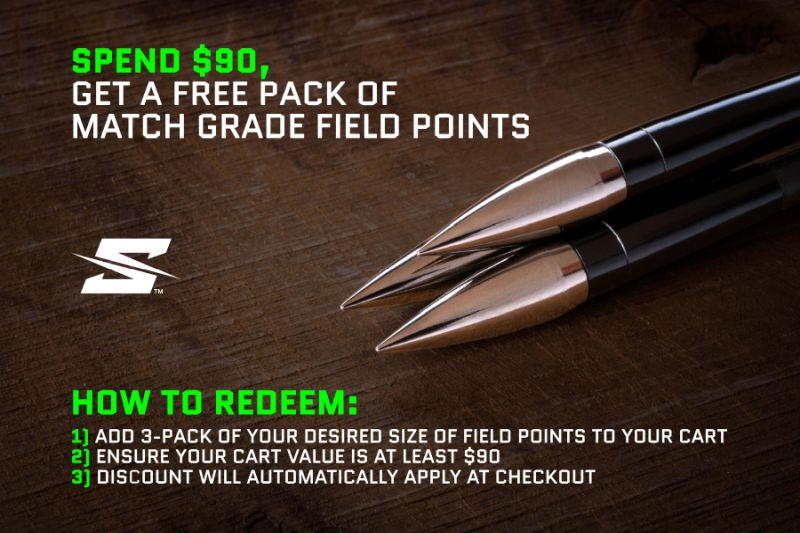
Get Free SEVR Field Points with Your Purchase*

SEVR announces a limited-time offer: receive a free three-pack of Match Grade SEVR Field Points with a purchase of $90 or more. *To receive free field points, simply add any three-pack to your cart, ensure your cart value is at least $90, and discount will automatically apply at checkout.

SEVR Match Grade points feature an elongated tangent ogive shape, inspired by high ballistic coefficient bullets, providing superior long-range accuracy and easier extraction from practice targets. Match Grade field points are precision machines from SEVR’s hardened Robusto stainless steel, with a slick, dark nickel coating for a mirror-like surface finish.

This offer is available for a limited time only. Visit www.sevrbroadheads.com to take advantage of this promotion, while supplies last.

The post Get Free SEVR Field Points with Your Purchase* appeared first on HuntingLife.com.

Original author: HLNews


™
™

Copyright

© Bowhunting.Net

Spring Mock Scrates: Ready, Set, Go

Spring mock scrapes are an excellent way to inventory new deer entering your property. After the hunting season, bucks filter into new areas vacated by harvested bucks. A well-placed mock scrape allows new deer to introduce themselves through their glandular communication, and it helps them learn about the deer already on the property.

The first place to make mock scrapes is outside of a bedding area. Locate the bedding area’s primary entrance and exit routes, and place a mock scrape at each location. Almost every deer entering or leaving the bedding area will stop to hit the scrape. Hang a trail camera or cellular camera and keep a close eye on the activity that will take place.

Natural funnels make an excellent place for a spring mock scrape. Again, I like to put a mock scrape at both ends of the funnel. I want deer to communicate as they enter and leave the funnel. Each time a deer stops at one of the scrapes, my trail cameras have the opportunity to catch it in action.

Brian Kightlinger will continue this post tomorrow.  Mock scrapes can be magical, and he is the master.


Copyright

© Bowhunting.Net

SAF FILES LAWSUIT CHALLENGINGCOLORADO’S EXCISE TAX ON GUNS, AMMO

BELLEVUE, WA – April 1, 2025 – The Second Amendment Foundation has filed a lawsuit in Denver County District Court challenging Colorado’s Proposition KK as an unconstitutional tax on the exercise of a fundamental constitutional right.

Joining SAF in Langston v. Humphreys are the National Rifle Association, Firearms Policy Coalition, Magnum Shooting Center of Colorado Springs, the Colorado State Shooting Association, and a private citizen, Zachary Langston. They are represented by attorneys David H. Thompson, Peter A. Patterson, William V. Bergstrom, Athanasia O. Livas, Julian R. Ellis, Jr. and Michael Francisco.

HELP SUPPORT OUR LEGAL WORK!

Named as defendants are Heidi Humphreys, executive director of the state Department of Revenue and Michael J. Allen, district attorney of El Paso County, in their official capacities.

SAF and its partners contend that the state’s 6.5% excise tax on the retail sale of any firearm, firearm precursor part, or ammunition is unconstitutional in that it impermissibly singles out the exercise of a constitutional right for special taxation. There have been several rulings by the U.S. Supreme Court prohibiting such a tax scheme.


Continue reading

Copyright

© Bowhunting.Net

What Sounds do Turkeys Make?

When I got to the roost, the late-season boss gobbler was on the ground.  It was on a small flat just over a rise, and I dared not crest the hill for worry of being seen.  Gripping my crossbow in my left hand, I settled against a small oak trunk and began scratching in the leaves with my right hand, hoping to catch the tom as it crested the horizon at point-blank range.  I scratched again, and the tom gobbled, seemingly a little closer.  A minute or more of silence prompted me to glance down and scratch the leaves, but as I looked up, the tom was clearly in view.  Busted!!!

Wait Them Out

That gobbler that out-foxed me had been hunted many times and was very call-shy.  The spring was arid, and I knew rustling leaves could be heard a long way.  The gobbler above was equally elusive, but I knew where it strutted each morning.  Instead of trying to call it as in the previous day, I sneaked to that spot well before dawn and waited.  Sitting and waiting as the tom gobbled on the roost was difficult, but an ambush seemed the only way to succeed.  Peeking over a rise, I saw the gobbler approaching with its hens and bided my time.  When the bird closed to 25 yards and went to full strut, my arrow pierced its vitals.

When turkeys won’t respond to turkey calls, anticipate their travel and set up an ambush.

Quality Calling Works

The more realistically you can produce turkey sounds, the more successful you will be, especially with a bow and arrow, which requires getting turkey gobblers into very close range.  Box and slate-and-peg callers are easy to operate and may cause a gobbler to come looking for you.  Becoming proficient with a diaphragm caller is a huge benefit because you can make an alluring sound without using your hands.  The two previous paragraphs were created to show that sometimes you can call or ambush a gobbler by making no call.

Identifying turkey sounds and what they mean is critical to turkey-hunting success. The following video explains this well, and I urge you to take a few minutes to brush up on gobbler vocabulary.

Can You Duplicate These Sounds?


Copyright

© Bowhunting.Net

Millennium Marine’s Spyderlok Series Gives Anglers a Fast, Sturdy Lock on Crappie

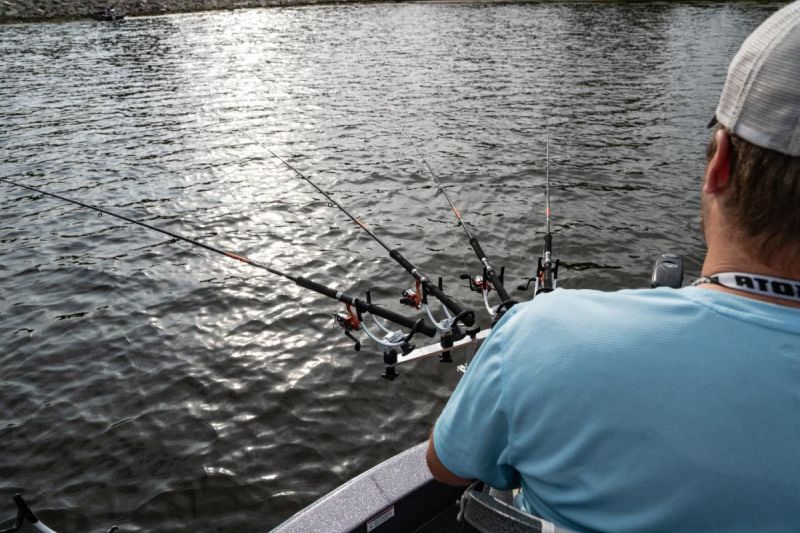
Pearl, MS (March 31, 2025) – For an enjoyable and successful day on the water crappie fishing, having easy-to-use, reliable, and versatile pole mounts are essential. Great mounting systems keep lines tight and tangle-free while providing easy access to rods. The Millennium Marine® Spyderlok Series is the go-to choice for ardent crappie anglers.

The Spyderlok Series features three products for any crappie fishing needs: The R-100 Spyderlok Gen 2, the R-200 Single Spyderlok, and the R-500 Pontoon Boat Rod Holder. The entire series is constructed with premium anodized aluminum for ultimate durability in the harshest conditions. The patented Spyderlok technology uses sure-lock “teeth” to ensure tight-locking angles and smooth, easy pole adjustments. 

Designed explicitly for spider rigging, the R-100 Spyderlok Gen 2 easily accommodates four rods on its 20-inch crossbar. The 360-degree rotation of the crossbar and the rod holders allows for ultimate versatility and water coverage from a single unit. With easy two-knob removal, exclusive height adjustments ranging from 20 to 29 inches, anglers can deploy multiple rods for slow-troll spider rigging applications. 

For competitive crappie fishing scenarios or where anglers are limited to just one line, the R-200 Single Spyderlok provides the perfect combination of precision and rod access. With the same adjustment features and flush mounting plates, the R-200 ensures angles that their rod is easily adjustable and just as versatile without worry.

The R-500 Pontoon Holder enables crappie anglers to mount rods securely in virtually any desired position. The R-500 mounts to either ¾-inch to 1-½-inch round or square tube rails and provides a full 360-degrees of coverage. Savvy anglers can deploy a dozen of the R-500 mounts to fully cover the water and present a variety of lure and bait options.


Continue reading

Copyright

© Bowhunting.Net

Pennsylvania Game Commission Declares Open Season on Exotic Animals

What day is this?

Copyright

© Bowhunting.Net

Get Hooked on Adventure with Outdoor Sportsman Group’s Q2 Programming Lineup

DENVER (March 31, 2025)— Outdoor Sportsman Group Networks (Outdoor Channel, Sportsman Channel, World Fishing Network, and MyOutdoorTV) continue delivering the perfect mix of adventure-packed entertainment and educational content in their Q2 programming, inspiring viewers to connect with the great outdoors wherever they are and however they choose to watch. With original premieres and new episodes from returning series across all networks, viewers can expect the most original outdoor programming focused on their passions beginning on Monday, March 31.

Outdoor Channel connects passionate hunters, anglers, recreational shooters, and adventure seekers through its best-in-class outdoor programming. Find inspiration with the following recommendations.

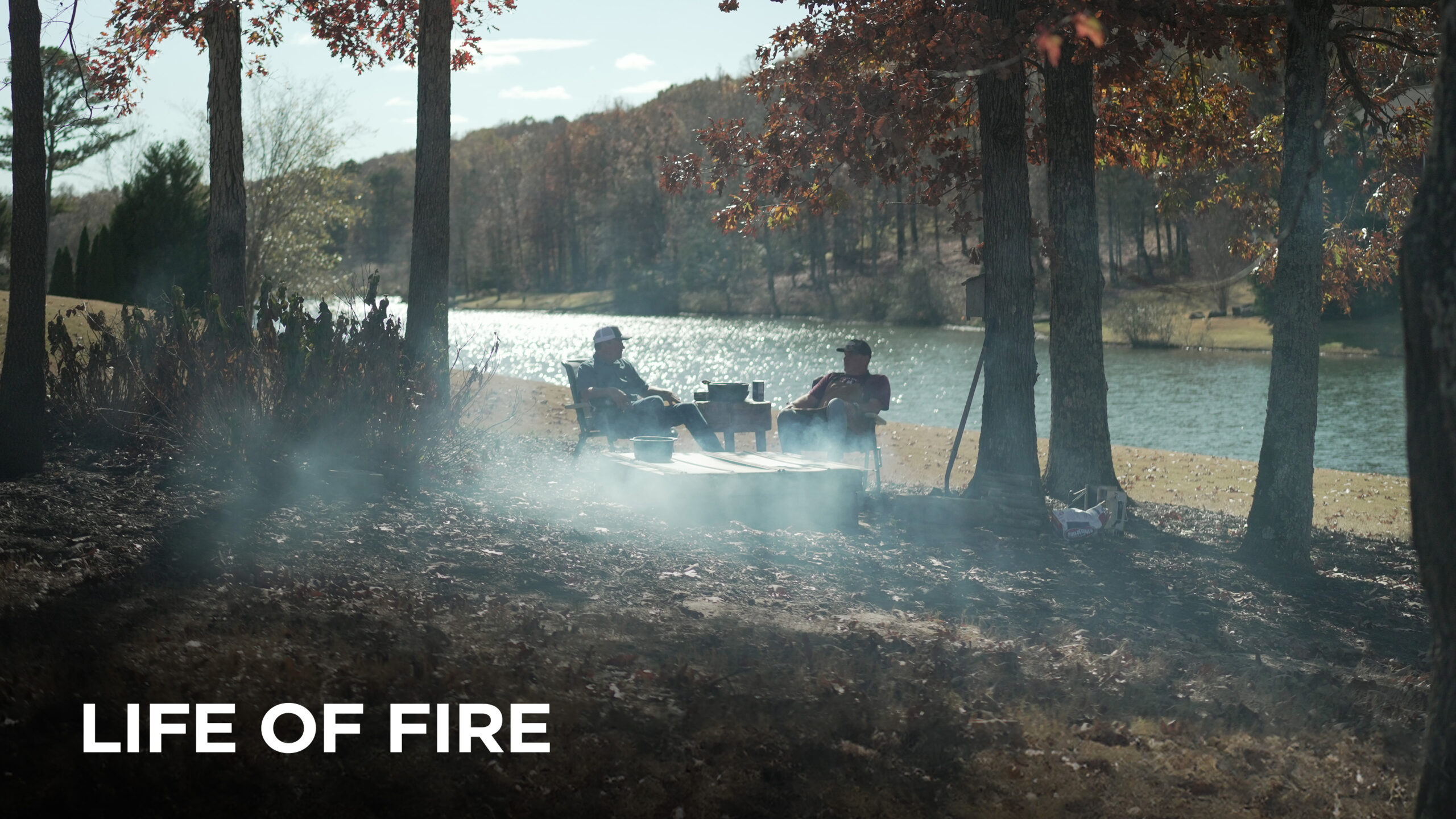
Monday nights see the continuation of the popular “Taste of the Wild” block beginning at 7 p.m. ET, featuring the return of Life of Fire (May 5, 9 p.m. ET) following legendary pit master Pat Martin, and season five of The Fishmonger (May 5, 9:30 p.m.) with fourth-generation commercial fisherman, Tommy “The Fishmonger” Gomes. Also, catch American adventure stories every Friday night in the “American Wild” block featuring Nick’s Wild Ride with Nick Hoffman (7:30 p.m. ET), The Gunfather: Restorations (8 p.m. ET), Renovation Hunters (8:30 p.m. ET), plus Wardens and Wardens: Case Files (9 and 9:30 p.m. ET, respectively). Plus, don’t miss the return of the popular series Wild Upland (April 1, 7 p.m. ET) with Gun Dog Editor-In-Chief Kali Parmley.

Sportsman Channel continues to reflect the heart and soul of millions of outdoorsmen and women through its Q2 programming lineup.  Tune in for new episodes of Realtree Roadtrips (new time Tuesdays, 7 p.m. ET), Fur Life (new time Saturdays, 10:30 a.m. ET), Hook the Future (Sundays, 3 p.m. ET) and Reel Animals (Sundays, 8:30 a.m. ET), to name a few.

Get hooked on the fishing experts and personalities casting their lines across World Fishing Network (WFN). From “Reel Bass Mondays” focused solely on bass fishing, to “Reel in Canada Fridays,” featuring Canadian waters – World Fishing Network has something for every angler, every species, and every cast. Don’t miss new seasons of Major League Fishing General Tire Team Series (Mondays, 8 p.m. ET) and Major League Fishing All Angles (Mondays, 10 p.m. ET), as well as new series Wild at Heart (Thursdays, 9:30 p.m. ET) and The Wild Grill (Fridays, 7:30 p.m. ET).


Continue reading

Copyright

© Bowhunting.Net

Welcome Bob Humphrey!

Bowhunting.net is excited to welcome Bob Humphrey to its growing list of contributors.  I’ve known Bob for many years and enjoyed his writing, photography, and unique way of blending science with practical experience.  Here’s our official greeting.


Bob Humphrey is a Certified Wildlife Biologist, Registered Maine Guide, and outdoor writer/photographer with credits in dozens of national print and internet publications. He has bowhunted for finned, furred, and feathered critters across North America and was the first person to complete a wild turkey grand slam with a crossbow.


Copyright

© Bowhunting.Net

Which of These Bucks Has a Shared Base?

Look at the G-2 and G-3 points on all three of these enormous whitetail racks. Which ones have a "common base" in your opinion?

Copyright

© Bowhunting.Net

Driving & Safety

3 minutes reading time (535 words)

Driving an RV is different from driving a regular car, requiring extra attention to weight, height, and maneuverability. Here are essential safety tips to ensure a smooth and secure journey.

1. Pre-Trip InspectionCheck tire pressure and condition. Underinflated or worn-out tires can lead to blowouts. Use a tire pressure monitoring system (TPMS) for added safety.Inspect lights and signals. Ensure headlights, brake lights, and turn signals are working.Secure all items inside and outside. Loose objects can become hazards while driving. Lock cabinets, check awnings, and secure external gear.Check fluid levels. Oil, coolant, transmission, and brake fluids should be at proper levels.2. Know Your RV's DimensionsBe aware of height and width. Many RVs are over 10 feet tall, so watch for low bridges, tunnels, and gas station canopies.Know your turning radius. RVs need a wider turn than regular vehicles. Take turns slowly and give yourself extra space.Practice in open spaces. Before hitting the road, practice parking, backing up, and turning in an empty lot.3. Safe Driving TechniquesDrive at a safe speed. Most RVs should travel between 55 and 65 mph to maintain control and improve fuel efficiency.Use mirrors and backup cameras. Adjust side mirrors properly to minimize blind spots. Always check before changing lanes.Keep a safe following distance. RVs take longer to stop, so maintain at least four to six seconds of space between you and the vehicle ahead.Avoid sudden movements. Sharp turns or abrupt braking can cause swaying or jackknifing.4. Handling Hills and MountainsUse lower gears on descents. Helps control speed and reduces brake wear. Avoid riding the brakes continuously.Climb steep hills steadily. Maintain a consistent speed, using lower gears if necessary.Watch for engine overheating. Pull over if needed to let the engine cool down.5. Dealing with Wind and WeatherSlow down in high winds. Strong crosswinds can make an RV unstable. Drive carefully and stop if winds are too strong.Avoid driving in heavy rain or snow. Reduced traction increases stopping distance and risk of skidding.Pull over in extreme conditions. If visibility or control is compromised, find a safe place to stop and wait it out.6. Braking and StoppingAllow extra braking distance. RVs are heavier and take longer to stop. Start braking early, especially on highways.Test brakes before a trip. Ensure they respond properly to avoid failure on steep terrain.Use a brake controller for towed trailers. If towing a vehicle or trailer, an electronic brake controller improves stopping power.7. Safe Parking and Backing UpUse a spotter when backing up. Have someone guide you to avoid hitting obstacles.Pull through when possible. Choosing pull-through parking spots prevents difficult backing maneuvers.Set your parking brake. Always engage the brake when parked, especially on slopes.8. Fueling and Rest StopsUse truck stops and RV-friendly gas stations. These provide more space and higher clearance.Never refuel while an appliance is on. Turn off propane appliances before refueling to prevent fire hazards.Take regular breaks. Stop every two to three hours to reduce fatigue and check your vehicle.

By following these driving and safety tips, you can enjoy a stress-free and secure RV journey. 

Continue reading
Tags:

Driving & Safety

3 minutes reading time (535 words)

Driving an RV is different from driving a regular car, requiring extra attention to weight, height, and maneuverability. Here are essential safety tips to ensure a smooth and secure journey.

1. Pre-Trip InspectionCheck tire pressure and condition. Underinflated or worn-out tires can lead to blowouts. Use a tire pressure monitoring system (TPMS) for added safety.Inspect lights and signals. Ensure headlights, brake lights, and turn signals are working.Secure all items inside and outside. Loose objects can become hazards while driving. Lock cabinets, check awnings, and secure external gear.Check fluid levels. Oil, coolant, transmission, and brake fluids should be at proper levels.2. Know Your RV's DimensionsBe aware of height and width. Many RVs are over 10 feet tall, so watch for low bridges, tunnels, and gas station canopies.Know your turning radius. RVs need a wider turn than regular vehicles. Take turns slowly and give yourself extra space.Practice in open spaces. Before hitting the road, practice parking, backing up, and turning in an empty lot.3. Safe Driving TechniquesDrive at a safe speed. Most RVs should travel between 55 and 65 mph to maintain control and improve fuel efficiency.Use mirrors and backup cameras. Adjust side mirrors properly to minimize blind spots. Always check before changing lanes.Keep a safe following distance. RVs take longer to stop, so maintain at least four to six seconds of space between you and the vehicle ahead.Avoid sudden movements. Sharp turns or abrupt braking can cause swaying or jackknifing.4. Handling Hills and MountainsUse lower gears on descents. Helps control speed and reduces brake wear. Avoid riding the brakes continuously.Climb steep hills steadily. Maintain a consistent speed, using lower gears if necessary.Watch for engine overheating. Pull over if needed to let the engine cool down.5. Dealing with Wind and WeatherSlow down in high winds. Strong crosswinds can make an RV unstable. Drive carefully and stop if winds are too strong.Avoid driving in heavy rain or snow. Reduced traction increases stopping distance and risk of skidding.Pull over in extreme conditions. If visibility or control is compromised, find a safe place to stop and wait it out.6. Braking and StoppingAllow extra braking distance. RVs are heavier and take longer to stop. Start braking early, especially on highways.Test brakes before a trip. Ensure they respond properly to avoid failure on steep terrain.Use a brake controller for towed trailers. If towing a vehicle or trailer, an electronic brake controller improves stopping power.7. Safe Parking and Backing UpUse a spotter when backing up. Have someone guide you to avoid hitting obstacles.Pull through when possible. Choosing pull-through parking spots prevents difficult backing maneuvers.Set your parking brake. Always engage the brake when parked, especially on slopes.8. Fueling and Rest StopsUse truck stops and RV-friendly gas stations. These provide more space and higher clearance.Never refuel while an appliance is on. Turn off propane appliances before refueling to prevent fire hazards.Take regular breaks. Stop every two to three hours to reduce fatigue and check your vehicle.

By following these driving and safety tips, you can enjoy a stress-free and secure RV journey. 

Continue reading
Tags:

The Key to Sounding Good on a Diaphragm Turkey Call

Every archery turkey hunter should master the diaphragm call because it allows the hunter to manipulate the turkey and have both hands free to draw a bow or raise a crossbow.  Eddie Salter is a champion turkey caller many times over and is so successful that he has accrued the nickname “The Turkey Man.”  Box and slate callers are ideal for locating and drawing a turkey closer to your blind or setup, yet once the bird enters sight distance, using them becomes problematic.

Practice in the Truck

As a young man, I tried using a diaphragm caller but gagged constantly.  I had a dentist make an impression of my teeth and sent that off to a dentist in Texas who made a diaphragm holder to fit my mouth.  Ironically, that device taught me that I was putting the diaphragm in my mouth backward LOL.  Soon, I could switch to standard mouth calls for deer and elk.  Practicing at home can annoy others, so I often keep calls in my vehicle and practice on the way to work or a hunt.

Match the Cadence

I’ve had the good fortune to hunt with Eddie Salter on several occasions, and he stresses the importance of “give them what you get.”  Matching the cadence of a calling turkey is more important than matching the tone or pitch.  To call a gobbler with hens, it’s often best to call the hens so that the gobbler tags along.  If the lead hen makes five yelps, you should make five.  If it’s a fly-down situation where the dominant hen calls repeatedly, match the same cadence it uses.

Here’s The Turkey Man


Copyright

© Bowhunting.Net


Outdoorsmen