
Hunting and Fishing News Blog Articles

Stay up-to-date on hunting, fishing and camping products, trends and news.

How to Plan the Perfect Holiday RV Camping Trip: Tips and Advice

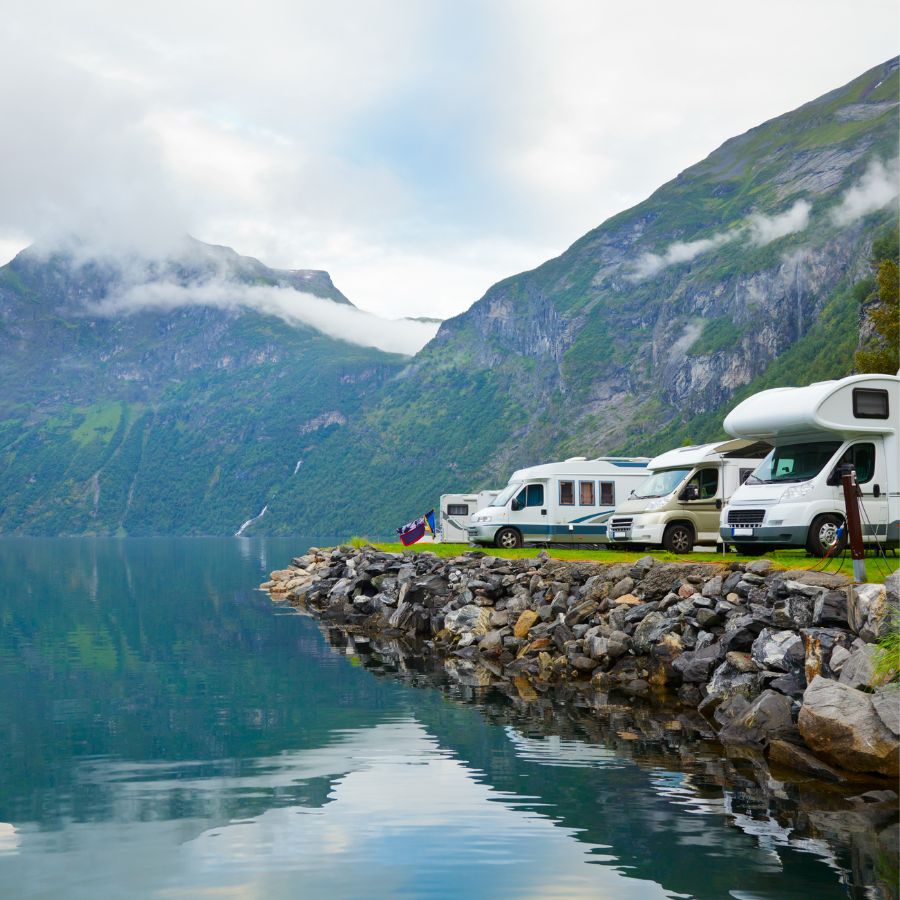
Are you looking for a unique and adventurous way to spend your holiday? Consider planning an RV camping trip! Exploring the great outdoors while enjoying the comforts of home on wheels can be an incredible experience. To ensure your holiday RV camping trip goes smoothly, here are some tips and advice to help you plan the perfect getaway.

Choose the Right RV

The first step in planning an RV camping trip is selecting the right RV for your needs. Consider the number of people traveling with you, the amenities you desire, and the terrain you’ll be navigating. Various types of RVs are available, including motorhomes, travel trailers, and camper vans. Research and rent or purchase an RV that suits your requirements and budget.

Plan Your Route and Destinations

Once you have your RV, it’s time to plan your route and destinations. Determine the length of your trip and the places you want to visit. You can research campgrounds and RV parks along your route and make reservations in advance, especially during peak travel seasons. Consider the attractions and activities available at each destination to ensure there’s something for everyone in your travel group.

Pack Smart and Efficiently

Packing for an RV camping trip requires a different approach than traditional vacations. Since space is limited, it’s essential to pack smart and efficiently. Make a checklist of important items such as clothing, toiletries, cooking utensils, bedding, and entertainment options. Consider the weather conditions at your destinations and pack accordingly. Bring outdoor gear like chairs, grills, and bikes to enhance your camping experience.

Prepare a Detailed Itinerary

Prepare a detailed itinerary to make the most of your holiday RV camping trip. Plan your travel days, including rest stops and attractions along the way. Allow for flexibility in your schedule to accommodate unexpected detours or changes in weather conditions. Research local attractions, hiking trails, water activities, and scenic viewpoints to ensure you get all the memorable experiences.
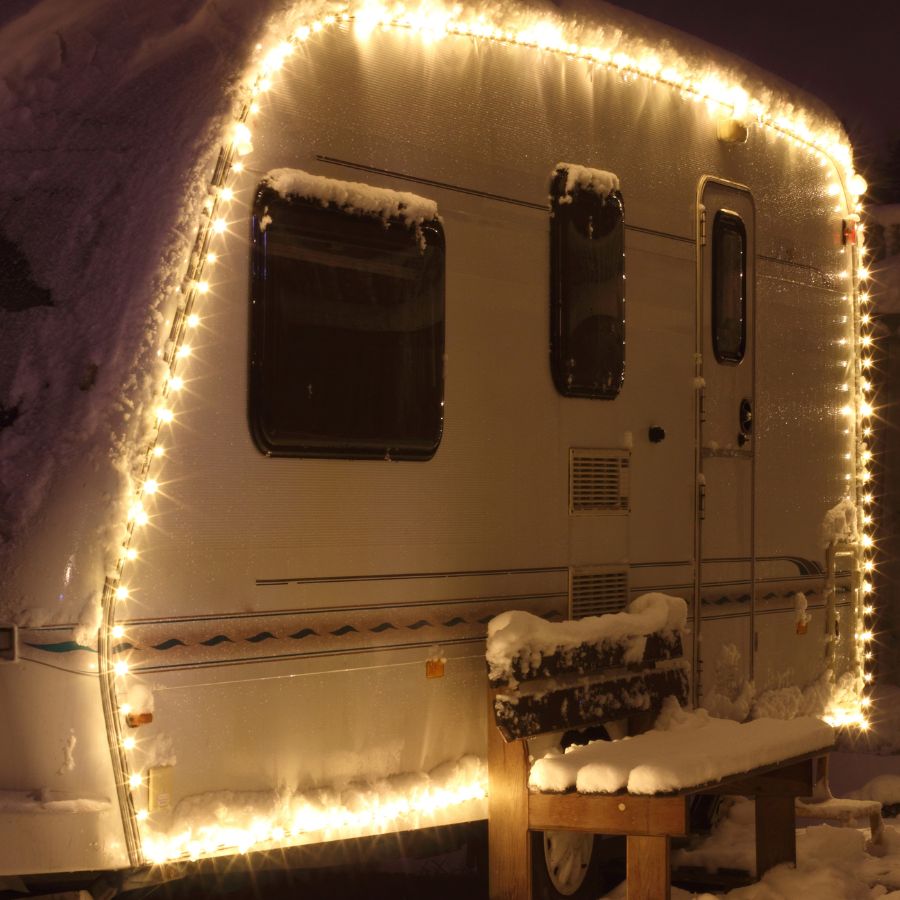

snowy RV
camping supplies
RVs parked
Continue reading
  549 Hits
Tags:

Planning Your Trip

Planning an RV trip involves careful consideration of various factors to ensure a smooth and enjoyable journey. Here's a step-by-step guide to help you plan your RV trip:

1. Define Your RV Trip Goals: Determine the purpose of your trip. Are you exploring national parks, visiting friends and family, or just seeking relaxation? Your goals will shape the route and activities.

2. Choose Your RV: Decide whether you'll use your own RV or rent one. Ensure it's well-maintained, and if renting, book well in advance. Consider the size, amenities, and features that match your needs.

3. Create a Travel Itinerary: Plan your route, including destinations, stops, and overnight stays. Use maps or GPS apps to estimate travel times and distances. Be flexible and allow time for unexpected discoveries.

4. Check RV Campground Reservations: Reserve RV campground spots, especially during peak seasons. Research campgrounds to ensure they meet your needs (hookups, amenities, pet-friendly, etc.).

Continue reading
  530 Hits
Tags:

RV Challenges

2 minutes reading time (405 words)

Owning and using an RV (Recreational Vehicle) can be a rewarding experience, but like any other mode of travel or lifestyle, it comes with its challenges. Here are some common challenges that RV owners may face:

Maintenance and Repairs:RVs, like any vehicle or home, require regular maintenance and repairs. Mechanical issues, appliance malfunctions, and wear-and-tear are common challenges.Storage Issues:Finding adequate storage for the RV when not in use can be challenging. Some residential areas have restrictions on RV parking, and storage facilities may have limited space.Fuel Costs:RVs can be fuel-intensive, and the cost of fuel can add up quickly, especially during long trips. High fuel prices can impact travel plans and budgets.Campground Availability:During peak travel seasons, popular campgrounds may be fully booked, requiring advanced reservations. Spontaneous travel may be limited.Dump Station Access:Emptying waste tanks at dump stations can be inconvenient, and not all locations have easy access to these facilities.Limited Accessibility:Some roads, bridges, and tunnels may have restrictions or limitations for larger RVs, limiting travel routes.Weather Challenges:Inclement weather, such as high winds, storms, or extreme temperatures, can pose challenges for RV travel and comfort.Size and Maneuverability:Driving and parking a large RV can be intimidating for some individuals. Maneuvering through tight spaces or crowded areas may require additional skills.Internet Connectivity:Maintaining reliable internet connectivity on the road can be challenging, impacting remote work or entertainment options.Cost of Ownership:RVs can have significant upfront costs, and ongoing expenses, including insurance, maintenance, and campground fees, can contribute to the overall cost of ownership.RV Weight Restrictions:Some areas may have weight restrictions or limitations for RVs, affecting where you can park or camp.Social Isolation:While RVing provides opportunities for adventure, it can also lead to social isolation, especially if you're in remote areas for extended periods.Resale Value:The resale value of RVs can depreciate over time, and finding a buyer may take longer than expected.Environmental Impact:RV travel can have an environmental impact due to fuel consumption and waste generation.Safety Concerns:Safety is a concern, especially during travel or when parked in unfamiliar areas. Security measures and situational awareness are essential.

Despite these challenges, many people find the freedom and flexibility of RV living to be incredibly rewarding. Being prepared, staying flexible, and embracing the RV lifestyle can help overcome these challenges and make the experience enjoyable.

RV Legends

  639 Hits
Tags:

Mastering the Omnia Oven: Essential Accessories and Must-Try Recipes for Your Compact Stovetop Oven

...

Read moreMastering the Omnia Oven: Essential Accessories and Must-Try Recipes for Your Compact Stovetop Oven

  796 Hits
Tags:

RV Legends

2 minutes reading time (381 words)

Several pioneering figures have played a significant role in the development and popularization of the recreational vehicle (RV) lifestyle. These individuals have contributed to the growth of the RV industry, the promotion of RV travel, and the establishment of communities and organizations dedicated to RV enthusiasts. Here are a few notable RV pioneering figures:

Wally Byam:Wally Byam is often regarded as the father of Airstream travel trailers. He founded Airstream, Inc. in the 1930s and designed the iconic silver bullet-shaped trailers. Byam's emphasis on quality, innovation, and adventure helped establish Airstream as an iconic brand in the RV industry.John Crean:John Crean is the co-founder of Fleetwood Enterprises, one of the largest and most well-known RV manufacturers. He played a key role in expanding Fleetwood's presence in the RV market, producing a wide range of motorhomes and travel trailers.Ray Frank:Ray Frank, known as the "Father of the Modern RV Rally," organized the first Family Motor Coach Association (FMCA) rally in 1964. The FMCA became a prominent organization that brought RV enthusiasts together for rallies, education, and community-building.David Woodworth:David Woodworth founded the Escapees RV Club in 1978 along with his wife, Kay. The club caters to full-time RVers and has been influential in providing resources, support, and a sense of community for those living on the road.Marianne Edwards:Marianne Edwards, along with her husband Mike, founded the RV lifestyle website and community RVtravel.com. The platform provides valuable information, tips, and news for RV enthusiasts and has become a leading online resource.Sam Alman:Sam Alman, a pioneer in the RV industry, co-founded Alman Motor Coach Company in the 1960s. The company introduced the first diesel pusher motorhome, marking a significant innovation in the design and functionality of RVs.Rollin and Mary Emma "Mickey" Perry:Rollin and Mickey Perry founded the Good Sam Club in 1966, creating a network for RVers to connect, share information, and enjoy benefits. The Good Sam Club has grown to become one of the largest RV community organizations.

These individuals, among others, have played instrumental roles in shaping the RV industry and culture. They have contributed to the growth of RV travel, community-building, and the overall enjoyment of the RV lifestyle. Their legacies continue to influence and inspire RV enthusiasts today.

Planning Your RV Adventures in 2024: The Top 8 Jay...

  647 Hits
Tags:

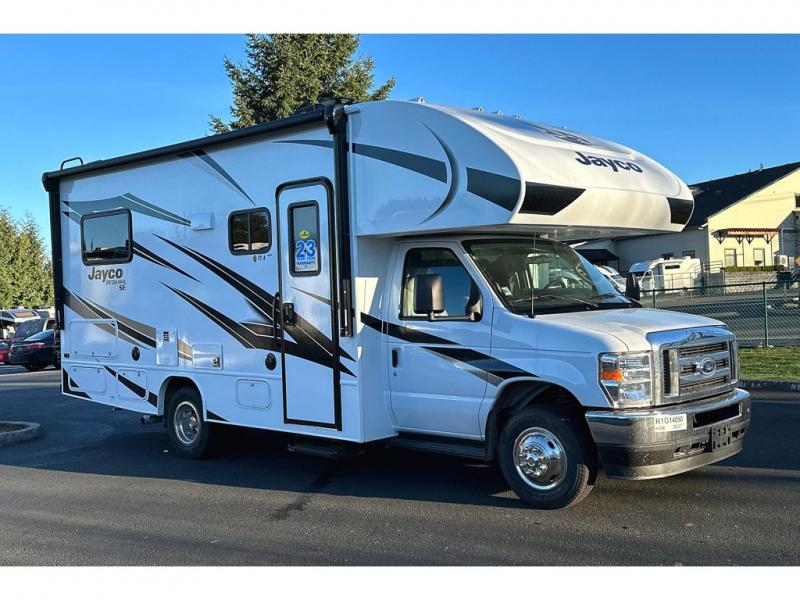
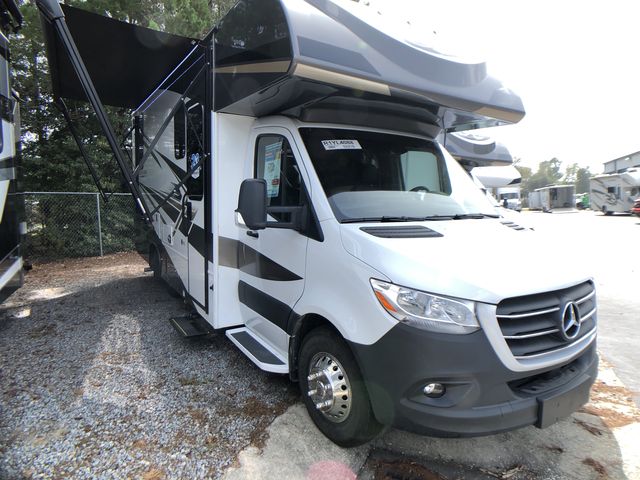
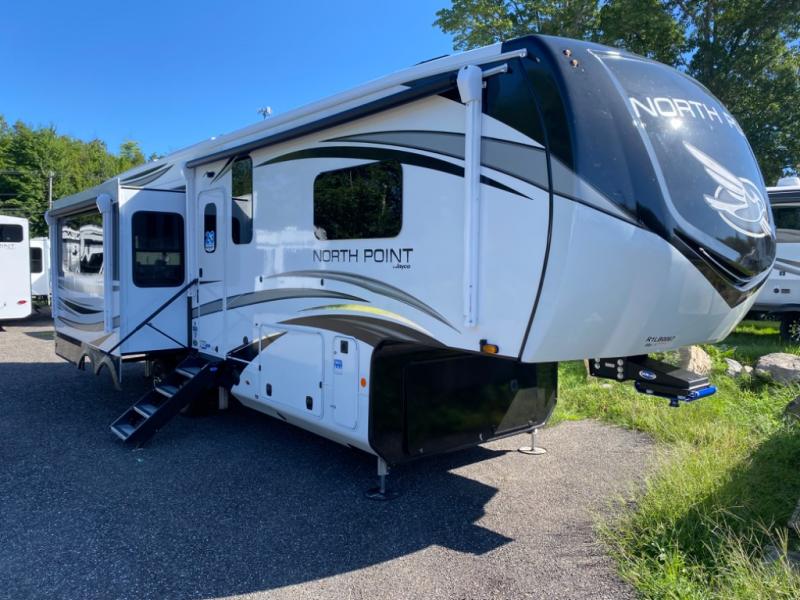
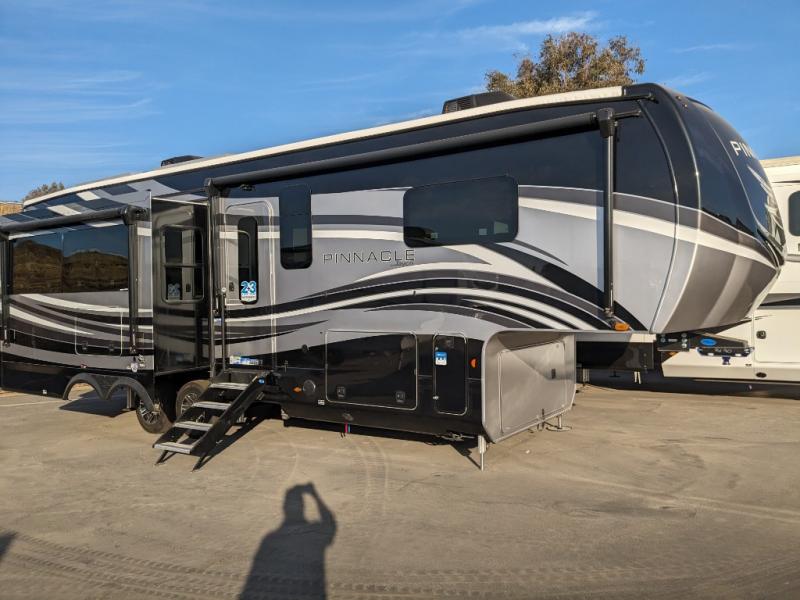
Planning Your RV Adventures in 2024: The Top 8 Jayco Models to Consider

Are you an avid traveler and adventure seeker? Do you dream of embarking on a cross-country road trip and exploring the great outdoors? If so, then planning your RV adventures in 2024 should be on the top of your list. And when it comes to choosing the perfect RV, Jayco is a brand that you definitely want to consider. With their wide range of models and superior quality, Jayco has become a go-to choice for many RV enthusiasts. In this article, we will explore the top 8 Jayco models that you should consider for your upcoming RV adventures in 2024.

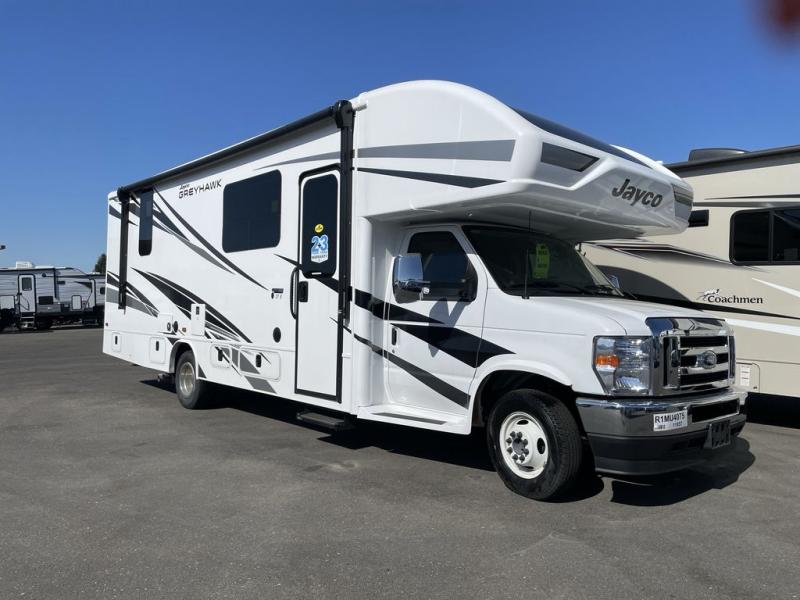
Learn more about theJayco Greyhawk 27U Motor Home Class Cbelow!

1. Jay Flight

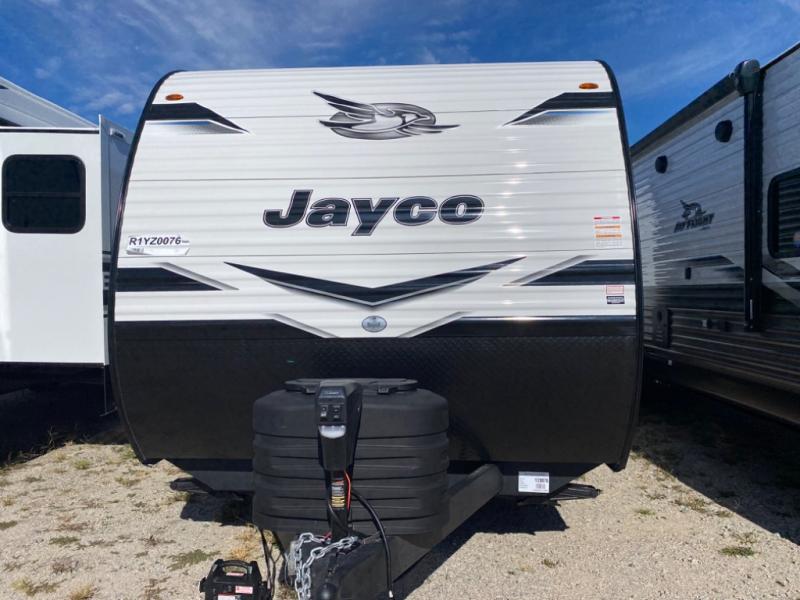
The Jay Flight model is perfect for those who are looking for a lightweight and affordable option. With its spacious interior and comfortable amenities, it offers a great value for your money.

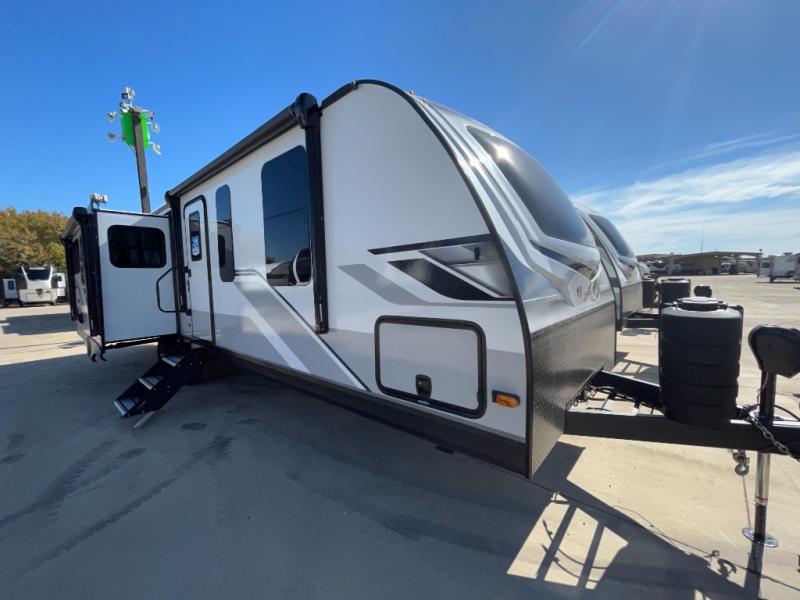
Order thisJayco Jay Flight 210QB Travel Trailer today!

2. Eagle

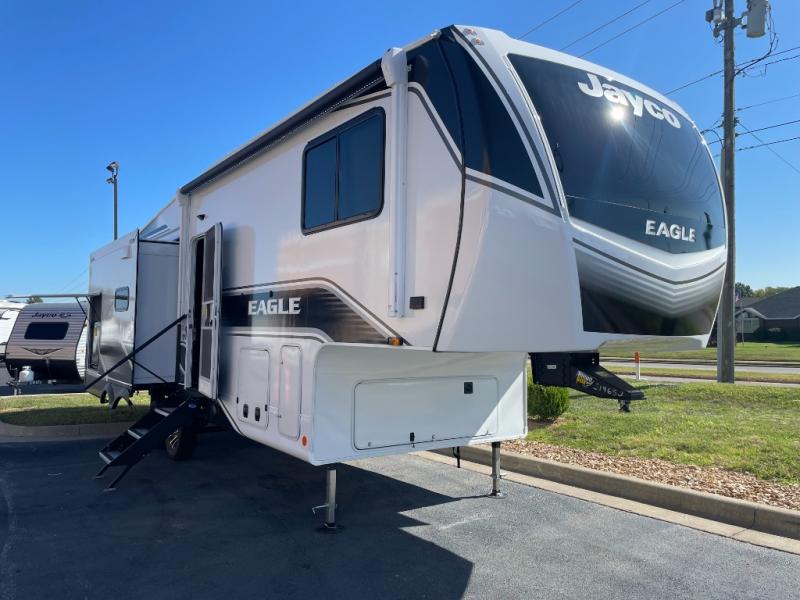
If you are seeking luxury and comfort, the Eagle model is the way to go. With its upscale features and high-end finishes, you can enjoy a truly luxurious camping experience.

You’ll love the Jayco Eagle 28.5RSTS Fifth Wheel!

3. Greyhawk

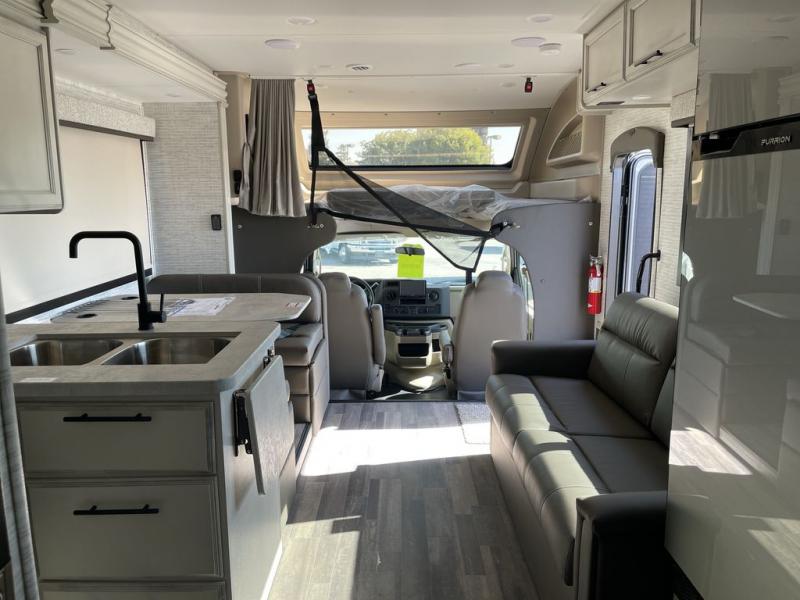
For those who love the freedom of the open road, the Greyhawk model is an excellent choice. With its powerful engine and spacious living area, you can travel in style and comfort.

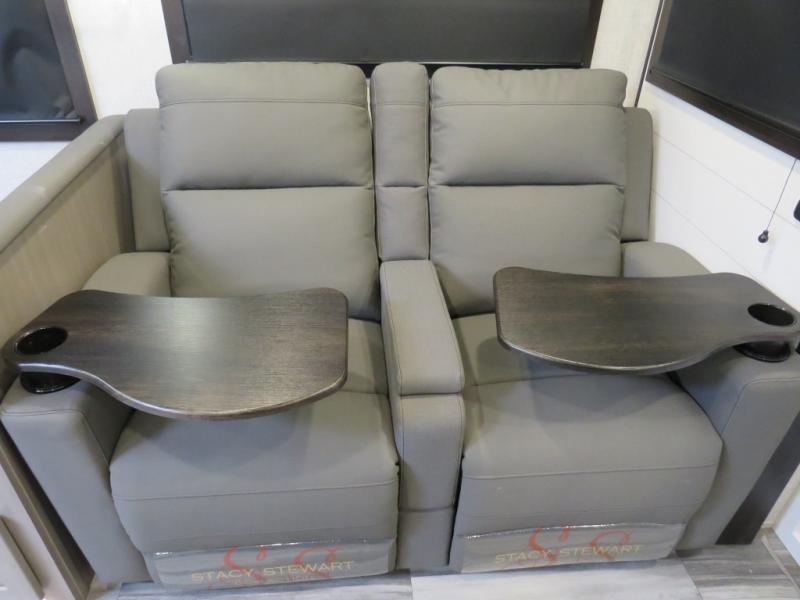
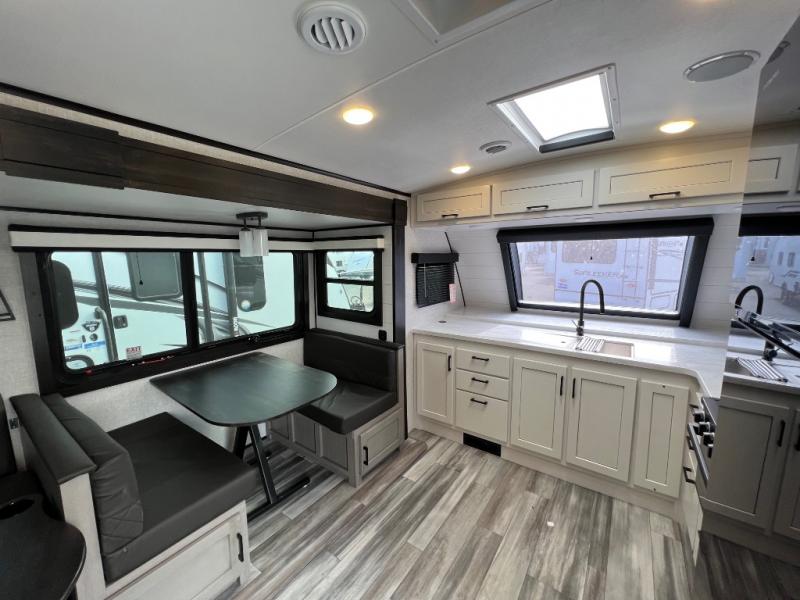
The spacious interior in thisJayco Greyhawk 27U Motor Home Class Cis great for family vacations.

4. Redhawk

The Redhawk model is perfect for families or larger groups. With its bunk beds and ample storage space, you can bring along your loved ones and all the necessary supplies for a memorable adventure.

Jayco jay flight 210WB
jayco eagle 28.5RSTS
Jayco Greyhawk 27U Motor Home Class C
Jayco Redhawk 22A Motor Home Class C
Jayco Melbourne 24L Motor Home Class C
Jayco North Point 310RLTS Fifth Wheel
Jayco Pinnacle 32RLTS Fifth Wheel
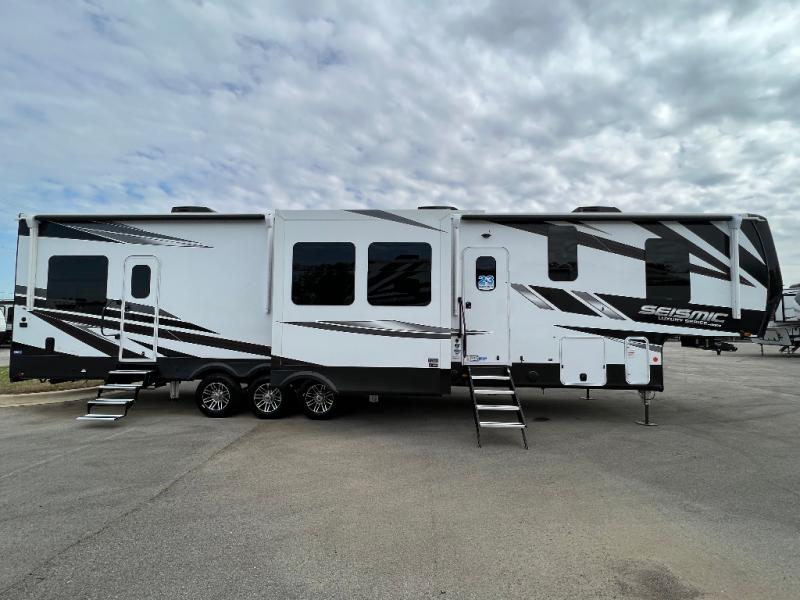
Jayco Seismic 3815 Fifth Wheel
Continue reading
  1010 Hits
Tags:

RV Driving

2 minutes reading time (474 words)

Driving an RV (Recreational Vehicle) can be a unique experience due to its larger size and different handling characteristics compared to regular vehicles. Here are some tips to help you navigate and enjoy your RV safely:

Practice Before Your Trip:If you're new to driving an RV, practice in an open and less crowded area before hitting the road. Get comfortable with the RV's size, turning radius, and braking distance.Know Your RV's Dimensions:Be aware of your RV's height, width, and length. Pay attention to any height restrictions on bridges, tunnels, and other structures, and choose routes that accommodate your RV's size.Plan Your Route:Plan your route in advance, considering the size of your RV and any specific requirements or restrictions. Use GPS apps or navigation systems designed for RVs to avoid narrow roads and low bridges.Check Tire Pressure:Regularly check and maintain proper tire pressure. Underinflated tires can affect handling and fuel efficiency, and overinflated tires can lead to blowouts.Drive at a Comfortable Speed:RVs have different speed limits and handling characteristics than smaller vehicles. Drive at a speed that feels comfortable and safe for you, and be aware of speed limits posted for RVs.Use Mirrors Effectively:RVs often have larger side mirrors. Adjust them properly to eliminate blind spots and have a clear view of the road behind you.Give Yourself Extra Space:Maintain a greater following distance from the vehicle in front of you. RVs have a longer stopping distance, so additional space provides more reaction time.Be Mindful of Weight Distribution:Properly distribute the weight inside your RV to maintain stability. Avoid overloading one side, and keep heavy items low and centered.Brake Smoothly:RVs have a longer braking distance, so brake smoothly and avoid sudden stops whenever possible. Downshift on downhill grades to reduce reliance on brakes.Be Cautious in Windy Conditions:RVs can be affected by strong winds, especially if they have a high profile. Slow down and use extra caution when driving in windy conditions.Plan for Fuel Stops:RVs may have larger fuel tanks, but their fuel efficiency is generally lower. Plan your fuel stops accordingly, especially in remote areas where fuel stations may be scarce.Check for Low Clearances:Be aware of low-clearance structures, such as gas station canopies and overpasses. Use apps or GPS systems that provide information on low clearance areas.Park Carefully:When parking, choose spots that allow easy exit and entry. Consider the ease of maneuvering both into and out of the parking space.Stay Informed on Local Regulations:Be aware of RV-specific regulations in different states or countries, including rules on overnight parking and RV-friendly campgrounds.

Remember that driving an RV requires additional attention and awareness due to its size and weight. Take your time, stay alert, and enjoy the journey at a comfortable pace. 

Finding Your Dream RV: The Top 5 Jayco White Hawk ...

  766 Hits
Tags:

Hit the Road with the Best! Discover Top RV Travel Blogs for 2024

...

Read moreHit the Road with the Best! Discover Top RV Travel Blogs for 2024

  741 Hits
Tags:

68 New Good Sam Campgrounds for 2024 Adventures

#bb {color:red;}

With the new year comes a slew of new Good Sam campgrounds in some of North America’s most beautiful destinations. Check out this batch of 68 campgrounds that have recently joined the Good Sam Network. You can also visit new Good Sam Campgrounds in the Southwest and Southern States.

Good Sam members get a 10 percent discount at Good Sam Campgrounds. While planning your trip, consider all of the campgrounds in the Good Sam Network. Not a member? Purchase a membership at any Good Sam Campground or sign up online.

Find new Good Sam Campgrounds in:

Riverside RV and Camper Park, Houston

On the banks of the Little Susitna River, this park treats guests to a true Alaska camping experience. Cast a line into the waterway for world-class salmon or enjoy the nearby town of Houston.

Getty Images

Scenic town built on hillside against a sunset sky.
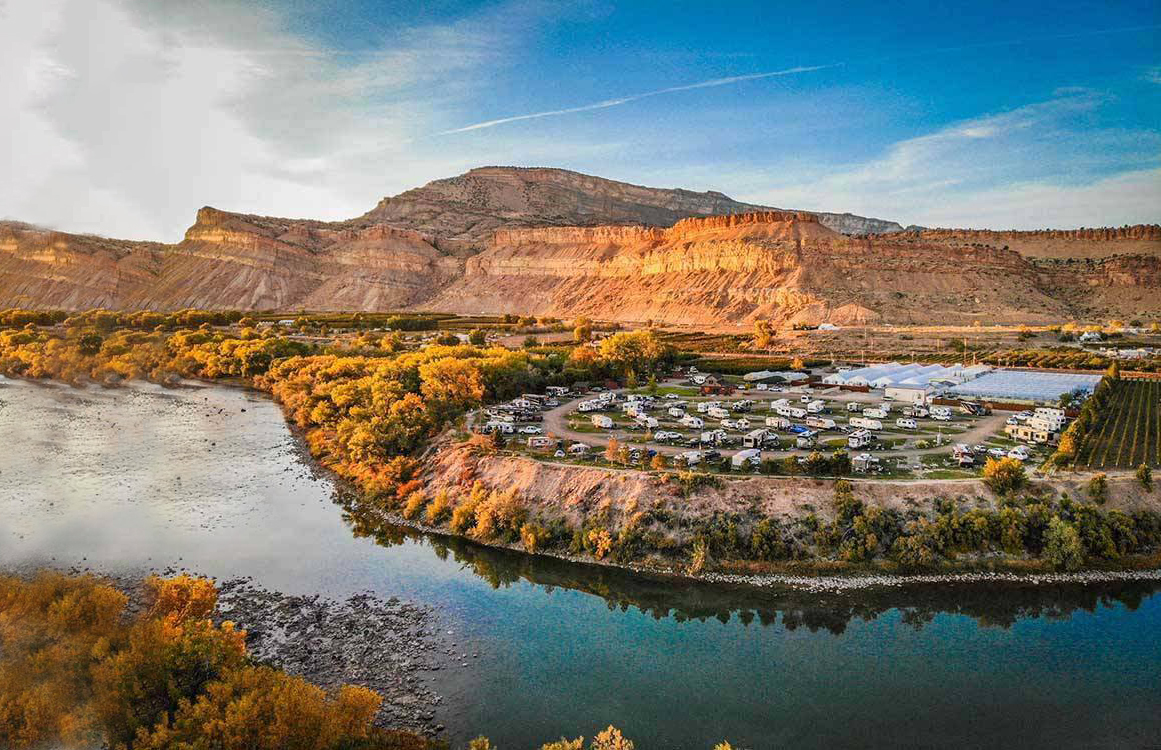
An RV park on the banks of a riverbend.
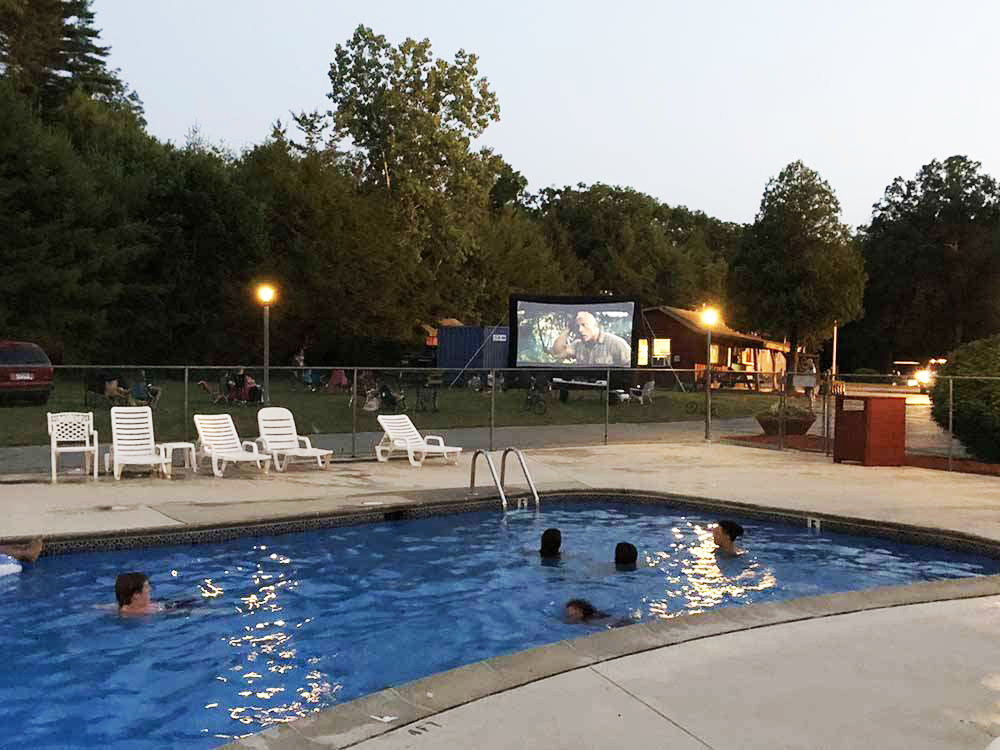
People in a pool watching TV.
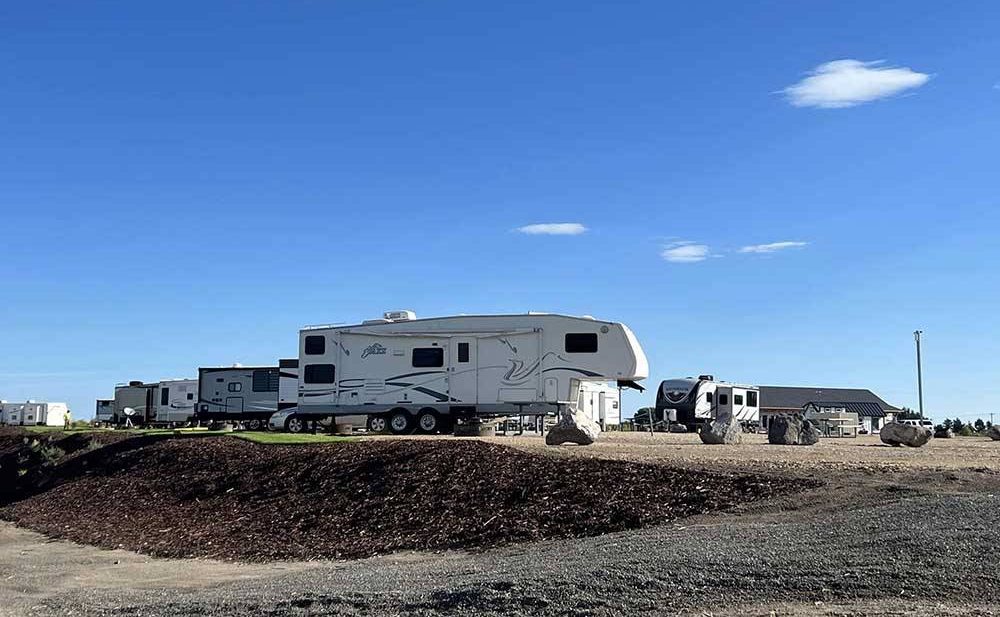
Fifth-wheel on a site against a blue sky.
Stalactites in a cave
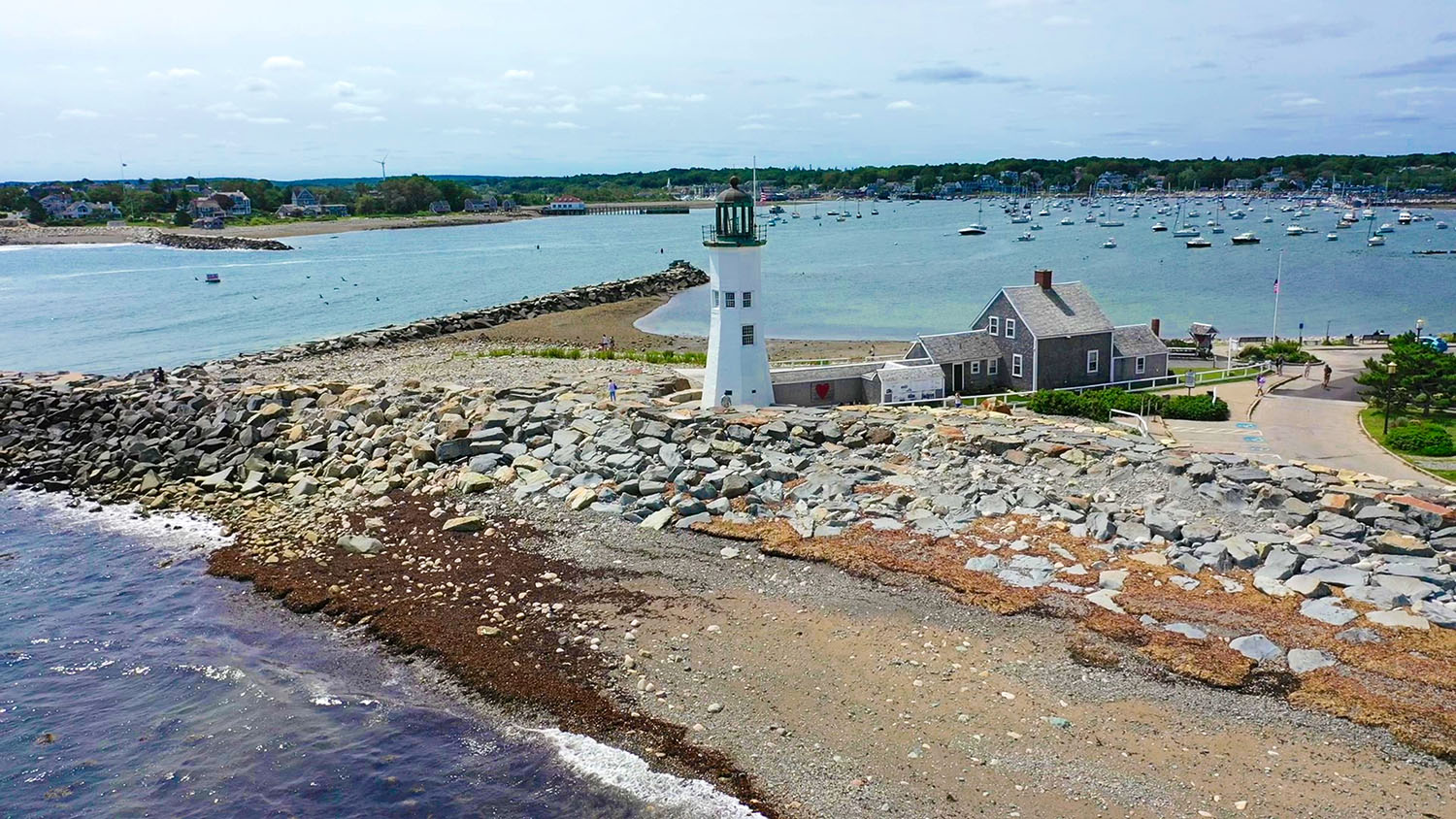
Aerial shot of lighthouse on a jetty in a bay.
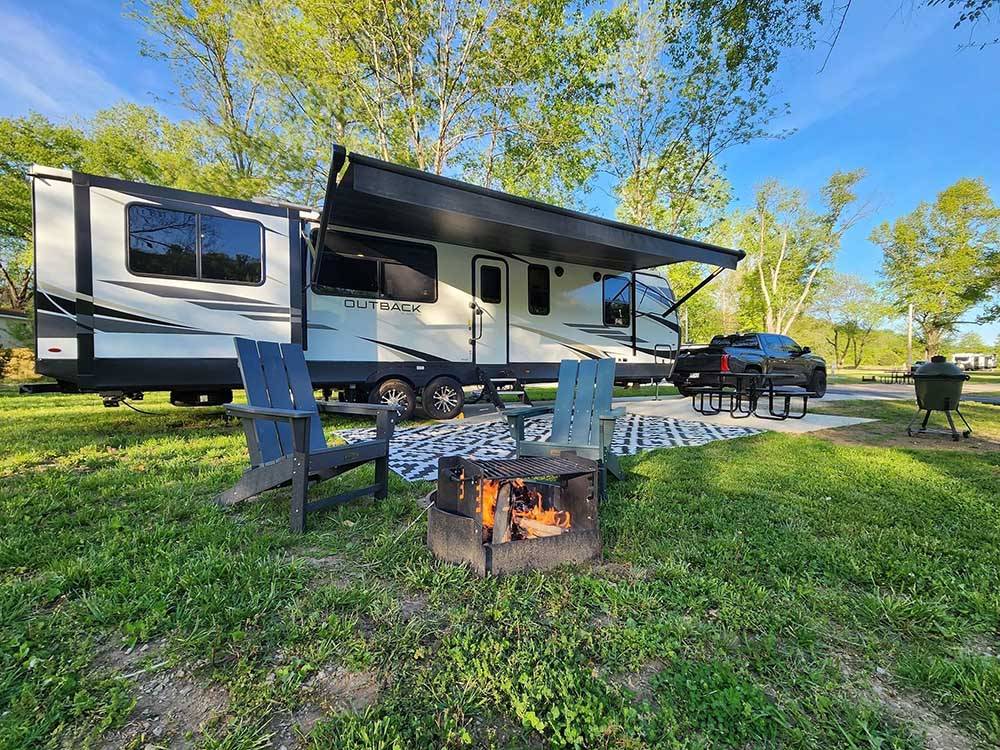
A travel trailer on a grassy campsite with fire.
Arch rising over a capitol building in a nighttime cityscape.
Buffalo in a field of flowers
Against a dusk sky, a Ferris wheel rises above a pier.
Waterfalls cascade over a sharp escarpment.
Riders on a fast roller coaster.
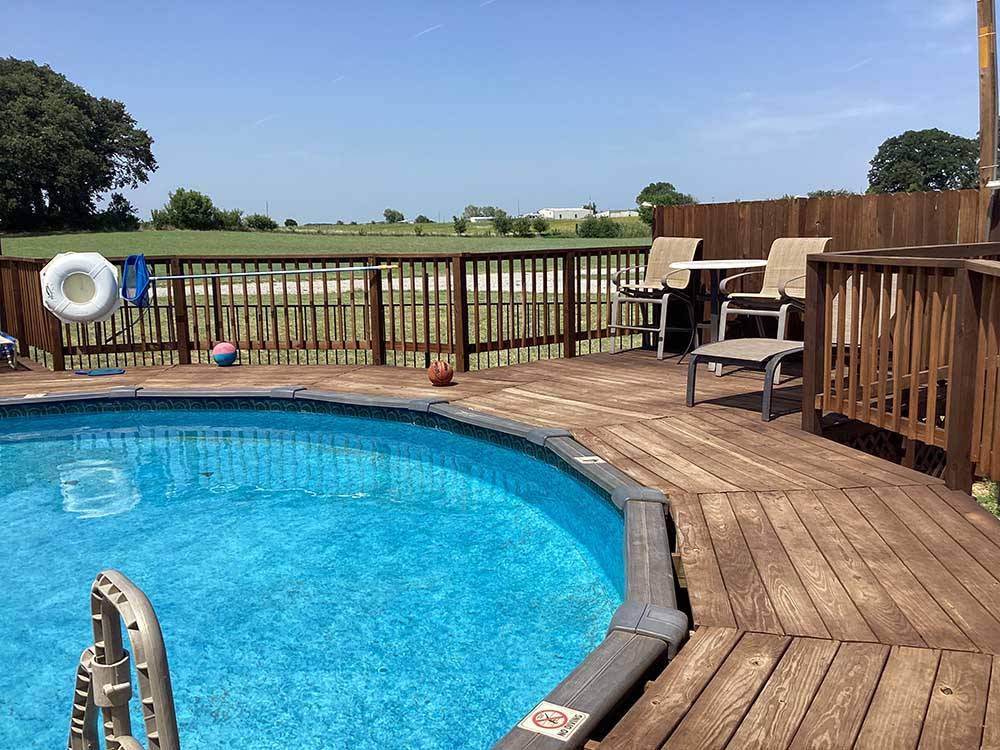
Pool with a wooden deck
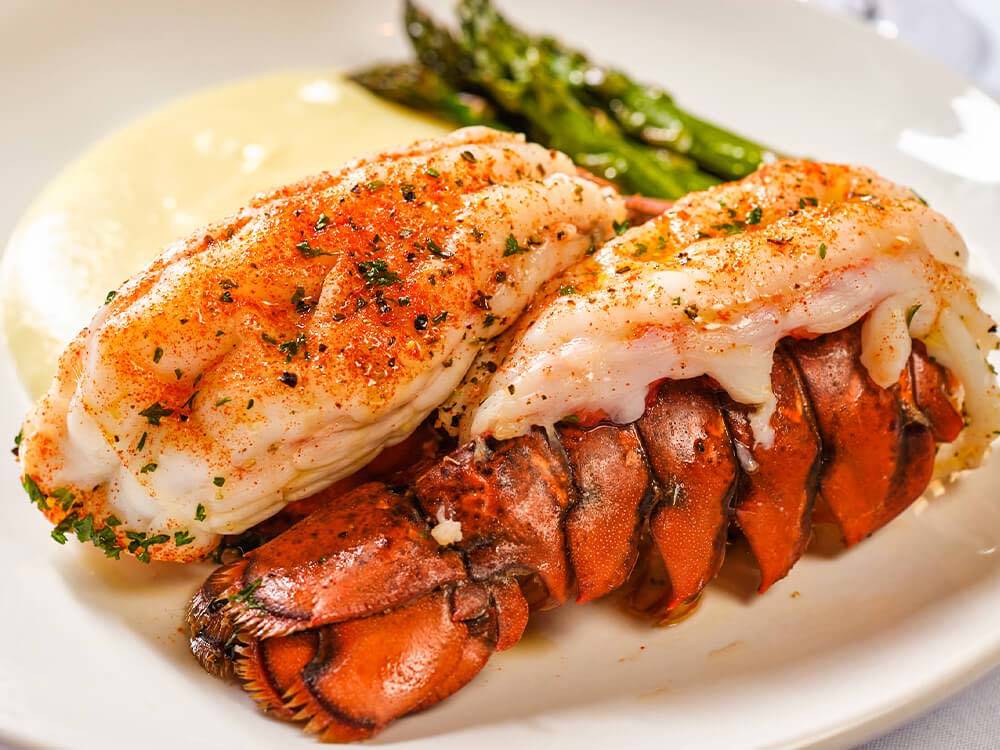
Succulent lobsters with asparagus on a plate.
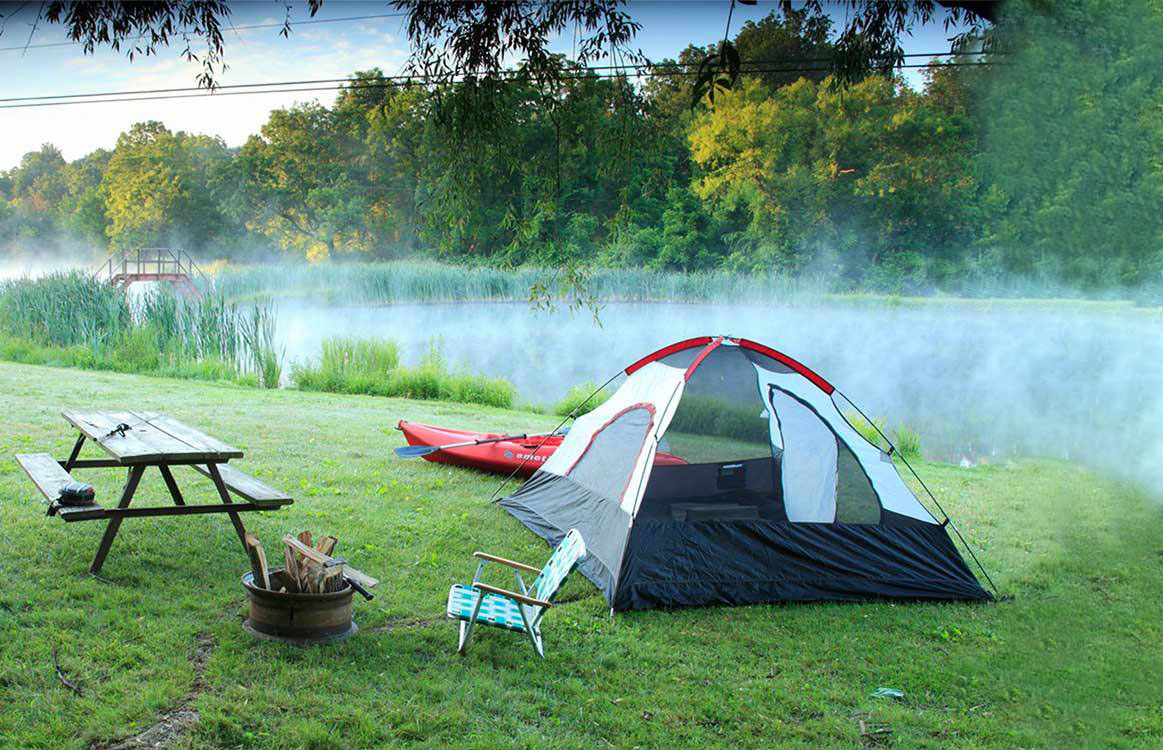
A dome tent on a grassy river bank as mist rises above the water.
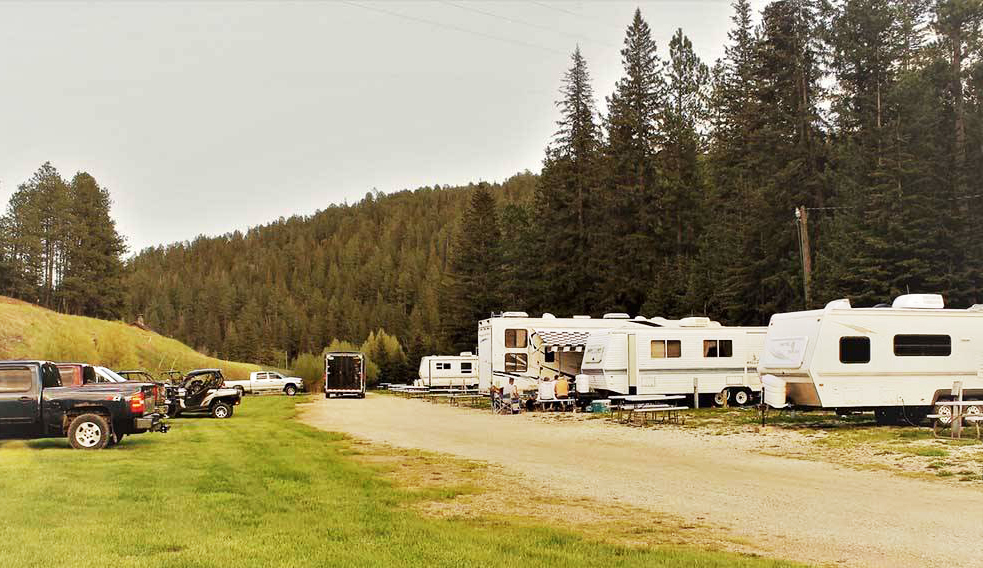
Grassy RV campsites along a dirt road
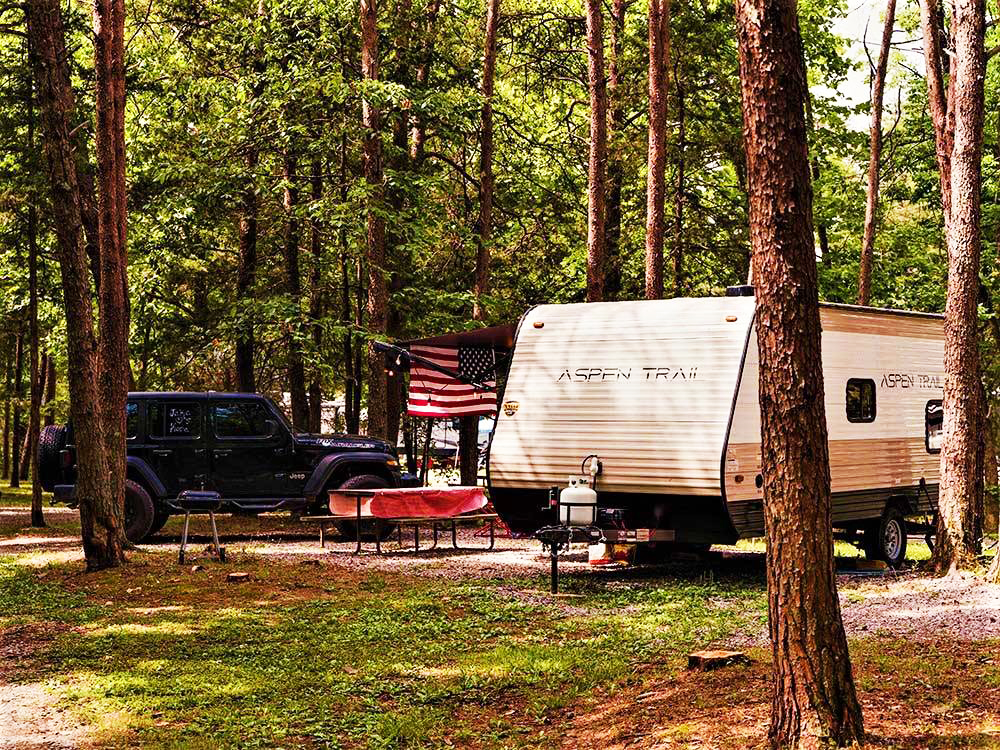
A travel trailer camping amid tall trees with American flag in image.
A man and woman look out at a deep valley flanked by tall, sheer mountains.


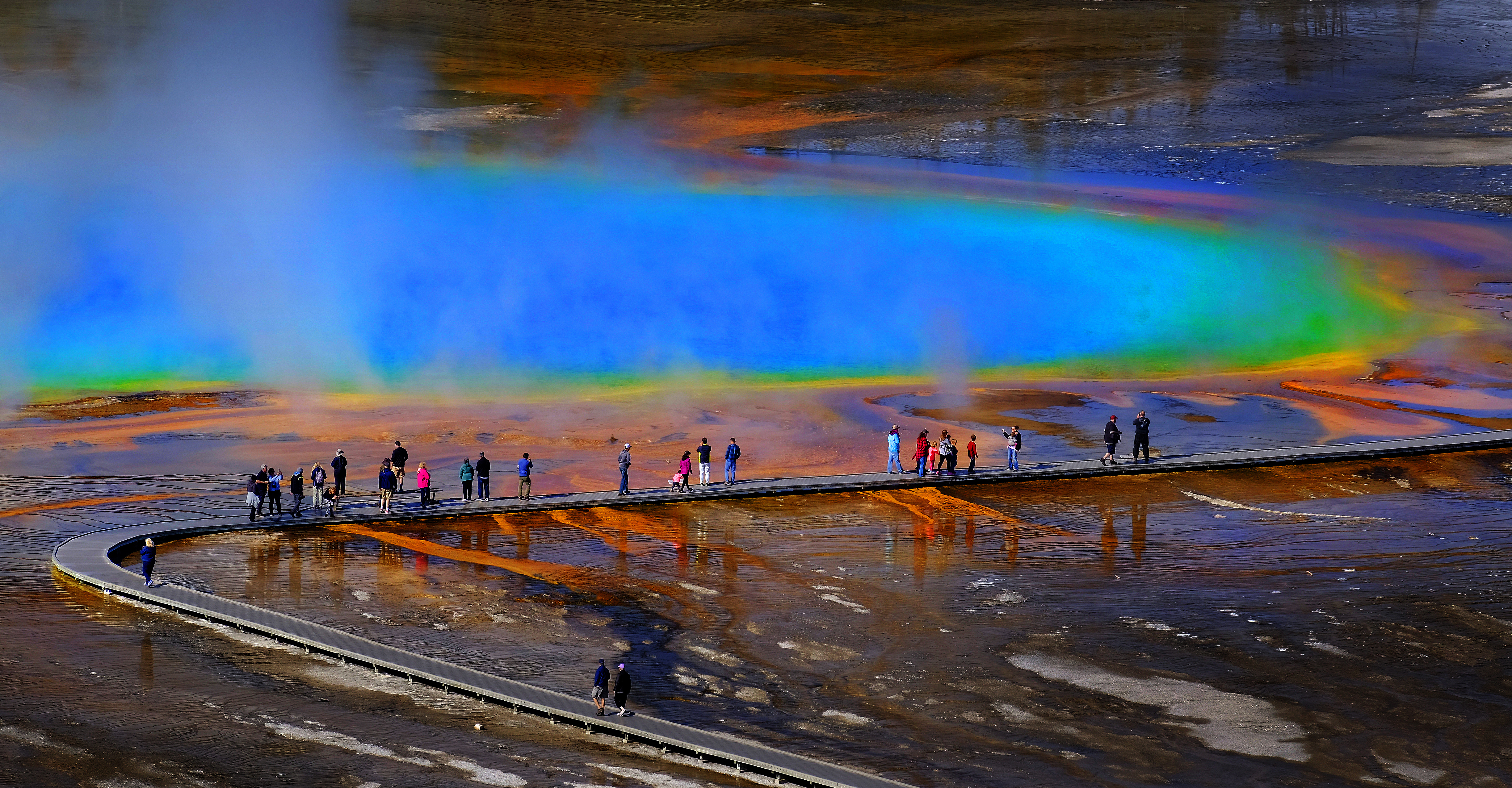
Tourists amble on a boardwalk that stretches over a volcanic spring.
View of a blue lake with tall fir trees growing on the banks.
Continue reading
  891 Hits
Tags:

Overland Campers

2 minutes reading time (447 words)


Overland campers are vehicles specifically designed for off-road travel and extended adventures, combining the rugged capabilities of an off-road vehicle with the convenience of a camper. These vehicles are equipped to handle challenging terrains and provide a comfortable living space for travelers. Here are some common features and characteristics of overland campers:

Off-Road Capability:Overland campers are built on robust, off-road-ready platforms, often featuring four-wheel drive (4WD) or all-wheel drive (AWD) systems. They have higher ground clearance, durable suspension systems, and off-road tires to navigate rough and uneven terrain.Living Quarters:Overland campers provide a living space that includes sleeping areas, a kitchenette, storage, and sometimes a small bathroom. The interior is designed for efficiency, making the most of limited space.Roof-Top Tents (RTT):Many overland campers come with roof-top tents that can be easily deployed. These tents provide additional sleeping space, and their elevated position offers a better view while minimizing the impact on the camper's footprint.Compact Design:While some overland campers can be large, many are designed to be compact and maneuverable. This allows them to navigate through tight trails and find parking in more confined spaces.Solar Power Systems:Overland campers often feature solar power systems, including solar panels mounted on the roof. This allows occupants to generate electricity for charging devices and powering appliances, reducing the reliance on external power sources.Water and Fuel Storage:Overland campers typically have built-in water storage tanks for cooking, cleaning, and other needs. Additionally, they may have extra fuel storage for extended journeys in remote areas.Storage Solutions:Overland campers are designed with ample storage space for camping gear, equipment, and personal belongings. This helps users stay organized during their travels.Modularity and Customization:Some overland campers are designed with modular features, allowing users to customize the interior layout based on their specific needs. This may include removable components or configurable living spaces.Durability:Overland campers are constructed with durability in mind, using materials and build techniques that can withstand the challenges of off-road travel and exposure to the elements.Communication and Navigation Systems:Overland campers may be equipped with communication systems (e.g., two-way radios) and advanced navigation tools. These features help travelers stay connected and navigate remote areas effectively.Exterior Features:Exterior features like roof racks, awnings, and external storage solutions enhance the functionality of overland campers, providing space for additional gear and outdoor activities.Adventure-Ready Accessories:Overland campers may come with built-in winches, recovery gear, off-road lighting, and other accessories that contribute to their adventure-ready capabilities.

Overland campers are popular among outdoor enthusiasts, adventurers, and those who seek the freedom to explore remote and less-accessible areas while having the comforts of a mobile home.

Finding Your Dream RV: The Top 5 Jayco White Hawk ...

68 New Good Sam Campgrounds for 2024 Adventures

Continue reading
  976 Hits
Tags:

Finding Your Dream RV: The Top 5 Jayco White Hawk Floorplans for 2024

Are you in the market for a new RV? The Jayco White Hawk is one of the leading models of 2024, with many unique floorplans to choose from; these RVs are perfect for any RV lifestyle. If you’re looking for a quality RV at an affordable price, this may be the right model for you. Here are the top 5 Jayco White Hawk floorplans for 2024:

Take home a great deal on this2024 Jayco White Hawk 32RL Travel Trailer.

Jayco White Hawk 32RL Travel Trailer

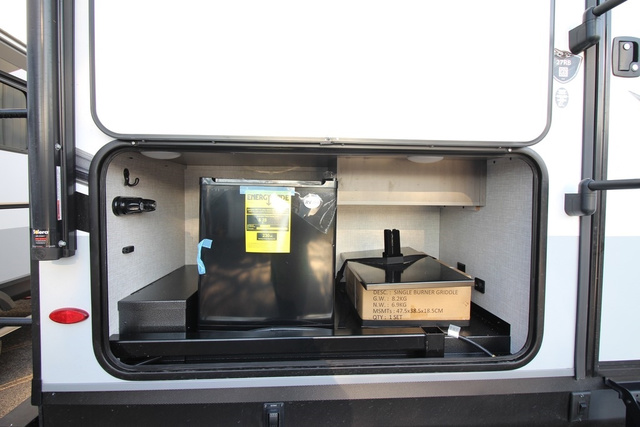
The Jayco White Hawk 32RL Travel Trailer is a great choice for RVers looking for a spacious interior, comfortable sleeping arrangements, and plenty of features. This floorplan offers two slide-outs in the living area, allowing for more space to enjoy. Some additional features include a queen bed, fireplace, stainless steel appliances, and an outdoor kitchen with a refrigerator. The Jayco White Hawk 32RL is the perfect choice for an RV that offers plenty of room and features.

You’ll love the bedroom inside this amazing2024 Jayco White Hawk 32RL Travel Trailer.

Jayco White Hawk 29BH Travel Trailer

The Jayco White Hawk 29BH Travel Trailer is a great option for RVers looking for an affordable yet comfortable and spacious floor plan. This RV model offers a bunkhouse to allow for extra sleeping arrangements and plenty of storage space. It also features a slide-out in the living area. In addition, there’s a queen bed, microwave, and dual entry doors.

The bunks in this Jayco White Hawk 29BH Travel Trailer are great for the kids!

Jayco White Hawk 27RB Travel Trailer

The Jayco White Hawk 27RB Travel Trailer is perfect for those who want a lightweight RV but still need plenty of space. This floorplan offers a slide-out in the living area, providing more room to entertain friends and family. Additionally, this model includes a queen bed, a dinette, and an outdoor kitchen fitted with a refrigerator.

The outdoor kitchen on the Jayco White Hawk 27RB Travel Trailer.You’ll love entertaining in the Jayco White Hawk 26FK Travel Trailer.

Jayco White Hawk 27RK Travel Trailer

The Jayco White Hawk 27RK Travel Trailer is the ideal floor plan for those who want a lightweight RV with plenty of features. This model offers a slide-out in the living area, providing more room to relax and entertain friends and family. With its modern amenities and stylish design, this RV is perfect for those who want a luxurious RV without breaking the bank.

2024 Jayco White Hawk 32RL Travel Trailer
2024 Jayco White Hawk 32RL Travel Trailer bed
Jayco White Hawk 29BH Travel Trailer bunks
Jayco White Hawk 27RB Travel Trailer outdoor kitchen
Jayco White Hawk 26FK Travel Trailer
Jayco White Hawk 27RK Travel Trailer
Continue reading
  649 Hits
Tags:

Type of Campers

2 minutes reading time (485 words)

There are various types of campers, each designed to cater to different preferences, needs, and styles of camping. Here are some famous types of campers:

Pop-Up Campers:Pop-up campers, also known as tent trailers or fold-out campers, are lightweight and compact trailers that can be expanded for additional living space. They often feature amenities like sleeping quarters, a small kitchen, and dining areas.Travel Trailers:Travel trailers come in various sizes and styles, ranging from small teardrop trailers to large, luxurious models. They typically feature a full range of amenities, including kitchens, bathrooms, and sleeping areas. Travel trailers are towed by a vehicle.Fifth Wheel Trailers:Fifth wheel trailers are towed by a pickup truck using a specialized hitch. They have a unique design with a raised forward section that extends over the bed of the towing vehicle. This design allows for a more spacious interior.Teardrop Trailers:Teardrop trailers are small, compact trailers with a distinctive teardrop shape. They are lightweight and often feature a sleeping area, a small kitchen, and sometimes a rear galley. Teardrop trailers are easy to tow and maneuver.Class A Motorhomes:Class A motorhomes are large, bus-like RVs that offer a spacious and luxurious living space. They typically include amenities such as a kitchen, bathroom, bedroom, and entertainment systems. Class A motorhomes are self-contained and drivable.Class B Motorhomes (Camper Vans):Class B motorhomes are smaller and more maneuverable than Class A models. They are often built on van chassis and offer a compact living space with amenities like a kitchenette and a bathroom. Class B motorhomes are drivable and suitable for both camping and everyday use.Class C Motorhomes:Class C motorhomes are characterized by a cab-over area above the driver's cab. They are built on a truck chassis and offer a variety of floor plans. Class C motorhomes typically include sleeping areas, a kitchen, and a bathroom.Truck Campers:Truck campers are designed to be loaded onto the bed of a pickup truck. They are compact and provide a sleeping area, kitchen, and bathroom facilities. Truck campers are a versatile option for those who want to maintain the functionality of their pickup truck.Off-Road and Overland Campers:Off-road and overland campers are built to handle rough terrain and are often equipped with features like off-road tires, rugged suspension systems, and additional ground clearance. These campers are designed for adventure seekers who want to explore remote locations.Airstream Trailers:Airstream trailers are known for their iconic silver bullet design. These aluminum trailers are both stylish and functional, offering a range of floor plans and amenities.

These are just a few examples, and the camping industry continues to innovate with new and unique camper designs to meet the diverse needs of outdoor enthusiasts. Whether you prefer the simplicity of a teardrop trailer or the luxury of a Class A motorhome, there's likely a camper that suits your camping style. 

RV Space Savers

  685 Hits
Tags:

RV Space Savers

2 minutes reading time (438 words)

Space-saving solutions are essential in RVs (Recreational Vehicles) where limited space requires efficient and creative organization. Here are some RV space savers and storage ideas to maximize the available space:

Collapsible Cookware:Use collapsible pots, pans, and bowls that can be easily stored when not in use. This saves cabinet space in the kitchen.Hanging Shoe Organizer:Hang a shoe organizer on the back of doors to store various items such as toiletries, cleaning supplies, or small kitchen items.Foldable Furniture:Opt for foldable or collapsible furniture, including tables and chairs. This allows you to create extra space when needed and stow furniture away when not in use.Under-Bed Storage:Utilize the space under the bed for storage. Consider using storage bins or drawers to keep items organized and easily accessible.Wall-Mounted Organizers:Install wall-mounted organizers in key areas of the RV, such as near the entrance or in the bathroom, to store keys, sunglasses, toiletries, and other small items.Nesting Cookware:Choose nesting cookware sets where pots and pans stack inside each other. This minimizes the space needed for kitchen essentials.Hitch-Mounted Cargo Carrier:Use a hitch-mounted cargo carrier for bulkier items like bicycles, outdoor gear, or additional storage boxes. This keeps the RV interior less cluttered.Over-the-Door Hooks:Install over-the-door hooks for towels, jackets, hats, or bags. This utilizes vertical space and keeps commonly used items easily accessible.Pull-Out Pantry Shelves:Install pull-out shelves in the pantry to maximize space and make it easier to see and access stored items.Hanging Pot and Pan Rack:Hang pots and pans on a rack from the ceiling or a wall to free up cabinet space. This also adds a decorative touch to the kitchen area.Cabinet Door Storage:Attach storage racks or caddies to the inside of cabinet doors to hold items like spices, cleaning supplies, or small kitchen utensils.Folding Step Stool:Keep a folding step stool handy to reach high storage areas or access the roof. Choose one that collapses for easy storage.Foldable Drying Rack:Use a foldable drying rack for dishes. It can be folded and stored away when not in use, freeing up counter space.RV-Specific Storage Containers:Invest in storage containers designed for RVs with features like stackability, durability, and compatibility with irregular storage spaces.Velcro and Command Hooks:Use Velcro strips and Command Hooks to secure lightweight items, such as remotes or small decorations, to prevent them from sliding around during travel.

By incorporating these space-saving solutions, you can make the most of the limited space in your RV and enjoy a more organized and efficient living area on your travels. 

RV Solar

  538 Hits
Tags:

RV Utilities and Hookups

2 minutes reading time (433 words)

Managing utilities and hookups is an important aspect of RV camping to ensure a comfortable and convenient experience. Here's a detailed guide:

Water Hookup:Water Hose:Use a drinking water-safe hose to connect your RV to the campground's water supply. Ensure it is long enough to reach the water hookup without kinks.Water Pressure Regulator:Attach a water pressure regulator to protect your RV's plumbing from high water pressure at the campground.Water Filter:Consider using a water filter to ensure the water you're using is clean and safe for consumption.Connect to City Water:Connect your hose to the campground's city water hookup, or use a fill port to fill your freshwater tank.Electricity Hookup:Power Cord:Use a heavy-duty extension cord (30-amp or 50-amp) to connect your RV to the campground's power pedestal. Make sure it's in good condition.Surge Protector:Invest in a surge protector to safeguard your RV's electrical system from power surges at the campground.Adapters:Carry electrical adapters in case the campground has a different power hookup than your RV is designed for.Sewer Hookup:Sewer Hose:Use a dedicated and high-quality sewer hose to connect your RV to the campground's sewer hookup.Sewer Hose Support:Use a sewer hose support to create a downhill slope for efficient drainage and to prevent any kinks in the hose.Dump Tanks Properly:Dump the black water (toilet waste) tank first, followed by the gray water (sinks and shower) tank. This helps clean out the hose with the gray water.Tank Treatments:Consider using RV-friendly tank treatments to break down waste and control odors in your holding tanks.Propane Hookup:Propane Tanks:Check your onboard propane tank levels regularly and refill as needed before your trip.Connect to Propane Source:Connect your RV to an external propane source if available at the campground. Alternatively, use your onboard propane tank.Propane Safety:Always follow safety guidelines when using propane appliances. Turn off the propane when traveling and refueling.Internet and Entertainment Hookup:Mobile Hotspot:Consider using a mobile hotspot for internet connectivity if the campground doesn't provide reliable Wi-Fi.Cable TV and Antenna:If you want cable TV, connect your RV to the campground's cable hookup using a coaxial cable. Raise your RV's antenna for over-the-air TV.Satellite Dish:If you have a satellite dish, set it up in an area with a clear line of sight to the sky for satellite TV.

Understanding how to properly connect and manage these systems will make your RV camping experience more enjoyable. Always follow campground rules and guidelines to ensure a smooth stay.

Van Life Pitfalls

North Carolina RV Routes

Continue reading
  485 Hits
Tags:

RV Insulating

2 minutes reading time (444 words)

Insulating your RV is crucial for maintaining a comfortable interior temperature, whether you're dealing with hot summers or cold winters. Proper insulation can help regulate the temperature inside the RV, making it more energy-efficient. Here are key considerations for RV insulation:

Type of Insulation:Fiberglass Insulation: Fiberglass is a common insulation material in RVs. It comes in batts, rolls, or loose-fill form and is effective at resisting heat transfer.Foam Board Insulation: Rigid foam boards are lightweight and provide good insulation. They come in various thicknesses and can be cut to fit specific areas.Spray Foam Insulation: This type of insulation expands to fill gaps and cavities, providing an airtight seal. It's effective in preventing drafts and can conform to irregular spaces.Insulating Different Areas:Walls: Install insulation between the studs or use rigid foam boards against the interior walls.Ceiling: Insulate the ceiling to prevent heat transfer. Consider adding a reflective barrier to reduce radiant heat.Floor: If your RV is not already equipped with insulation in the floor, consider adding it. This is especially important for cold weather camping.Windows and Doors:Use thermal curtains or shades to help regulate the temperature near windows.Apply weather stripping around doors and windows to prevent drafts.Reflective Insulation:Reflective insulation, often in the form of a radiant barrier, can be effective in blocking radiant heat. Install it in the ceiling or walls to reflect sunlight away from the interior during hot weather.Vents and Skylights:Insulate around vents and skylights. Consider using vent insulator pillows or covers to reduce heat transfer.Sealing and Weather Stripping:Seal any gaps, cracks, or openings where air can enter or escape. Use weather stripping around doors, windows, and other openings.RV Skirting:Skirting around the base of your RV can help prevent heat loss in cold weather. It creates a barrier that reduces the flow of cold air underneath the RV.Underbelly Insulation:Many modern RVs come with an enclosed and insulated underbelly to protect plumbing and improve overall insulation. Ensure that it's in good condition and well-sealed.Consideration for Wiring and Systems:Be mindful of electrical wiring and systems when adding insulation. Avoid covering heat-producing components and ensure proper ventilation for appliances.Professional Installation:If you're not comfortable with DIY insulation projects, consider having a professional assess your RV's insulation needs and make any necessary improvements.

Remember that the specific insulation needs can vary based on your RV model, the climate you'll be camping in, and personal preferences. Regularly check the condition of your RV insulation, especially if you'll be using it in different weather conditions. Insulating your RV effectively can enhance your comfort and energy efficiency. 
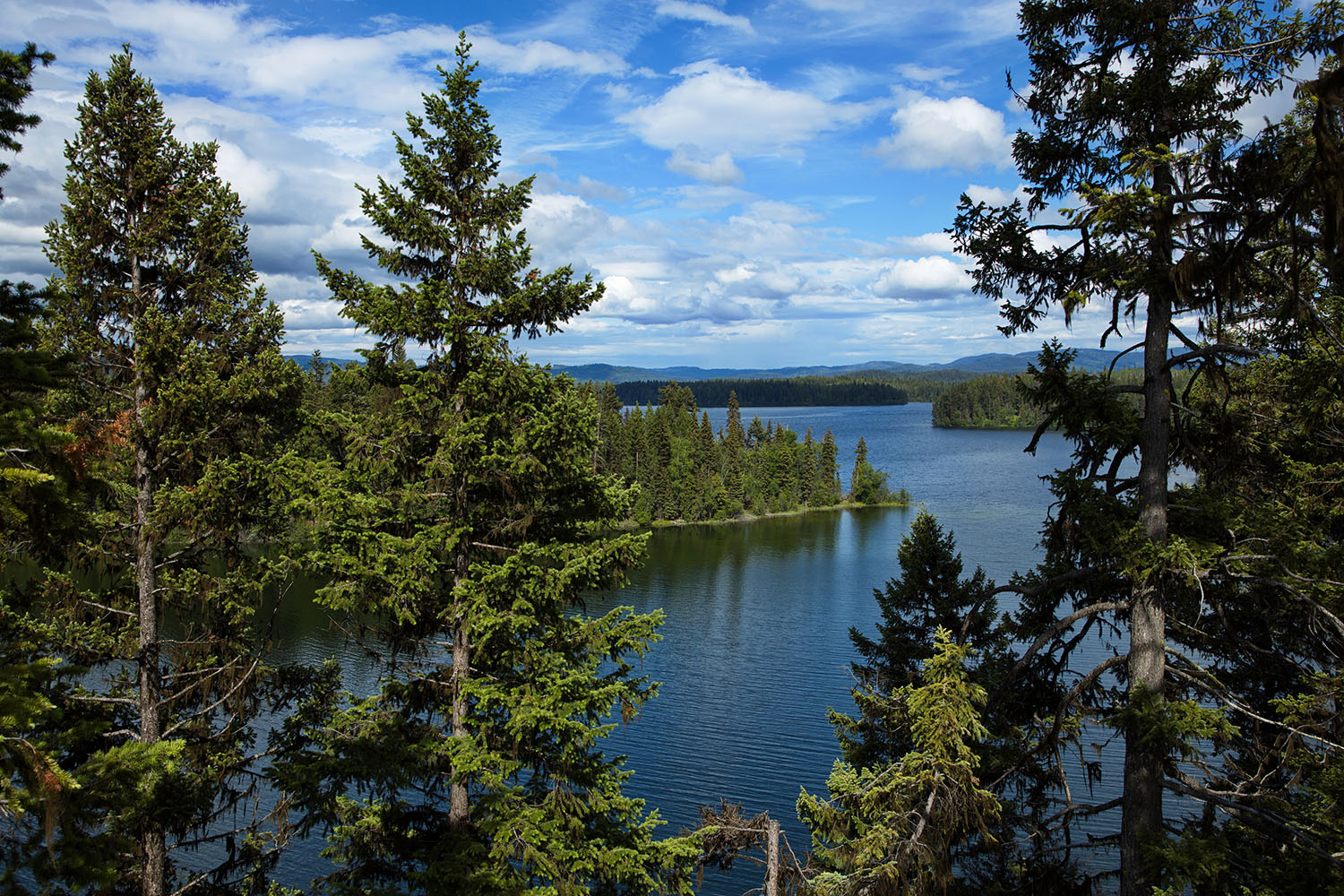
RV Nomads

Van Life Pitfalls

Continue reading
  516 Hits
Tags:

RV Solar

2 minutes reading time (451 words)

RV solar power systems are a popular and eco-friendly solution for generating electricity while on the road or when camping in remote locations. These systems typically consist of solar panels, a charge controller, a battery bank, and an inverter. Here's an overview of RV solar power systems:

Components of an RV Solar Power System:Solar Panels:Mounted on the roof of the RV, solar panels capture sunlight and convert it into DC (direct current) electricity.Charge Controller:Regulates the flow of electricity from the solar panels to the batteries, preventing overcharging and optimizing charging efficiency.Battery Bank:Stores the electricity generated by the solar panels for later use. Deep-cycle batteries, such as lead-acid or lithium-ion batteries, are commonly used.Inverter:Converts DC electricity stored in the batteries into AC (alternating current) electricity, which is used to power standard household appliances and devices.Wiring and Connectors:Connects the various components of the solar power system, ensuring a reliable and efficient flow of electricity.Benefits of RV Solar Power:Independence from Shore Power:RV solar systems allow you to generate electricity independently, reducing the need for hookups to external power sources.Quiet and Clean Power Generation:Solar power is silent and produces no emissions, providing a quiet and environmentally friendly alternative to traditional generators.Extended Boondocking:Boondocking or dry camping in remote locations is more feasible with solar power, as it allows you to recharge batteries without relying on external power sources.Reduced Generator Use:Using solar power can reduce the need to run a generator, saving fuel costs and minimizing noise pollution.Considerations for RV Solar Installation:Roof Space:Assess the available roof space on your RV for mounting solar panels. The more space you have, the more solar panels you can install.Battery Capacity:Consider the energy needs of your RV and choose an appropriate battery bank capacity to store the electricity generated by the solar panels.Inverter Size:Select an inverter that can handle the power requirements of your appliances and devices.Budget:RV solar systems vary in cost, and the price depends on factors such as the quality and capacity of the components. Consider your budget when planning your solar installation.Tilt and Orientation:Some RVers install tilting mechanisms for their solar panels, allowing them to adjust the angle for optimal sunlight exposure. Consider the orientation of your RV during parking.Warranty and Maintenance:Check the warranty offered by the solar components and consider any maintenance requirements.

Before installing an RV solar system, it's advisable to consult with professionals or seek guidance from experienced RVers who have successfully implemented solar power solutions. Additionally, considering your specific power needs and usage patterns will help tailor the system to your requirements. 

Unearthing the Fountain of Youth in Niland, Califo...

  536 Hits
Tags:

Unearthing the Fountain of Youth in Niland, California: A Desert Oasis Beckons

Nestled within Southern California’s arid landscapes, the Fountain of Youth Spa RV Resort in Niland, California, is more than a myth; it’s a tangible and captivating destination. Let’s explore the history of the Fountain of Youth and the myriad attractions in the surrounding area.

The Mythical Fountain of Youth: A Real-Life Discovery

The concept of the Fountain of Youth, promising eternal youth and vitality, has intrigued humanity for centuries. Although the Fountain of Youth in Niland doesn’t grant immortality, it offers rejuvenation. The natural hot springs in this region are reputed for their therapeutic properties. Visitors can immerse themselves in the soothing mineral-rich waters, enveloped by the serene desert surroundings. These hot springs hold the power to alleviate stress and tension, making a visit to the Fountain of Youth a perfect retreat for relaxation and rejuvenation.

Soothing hot water in the Fountain of Youth Spa RV Resort.

Things to Do and See in the Area

Hot Springs Relaxation: The centerpiece of the Fountain of Youth is the revitalizing hot springs. Renowned for their healing properties, these mineral-rich waters have a long history of attracting visitors in search of relaxation and well-being.

Desert landscape around the Salton Sea.

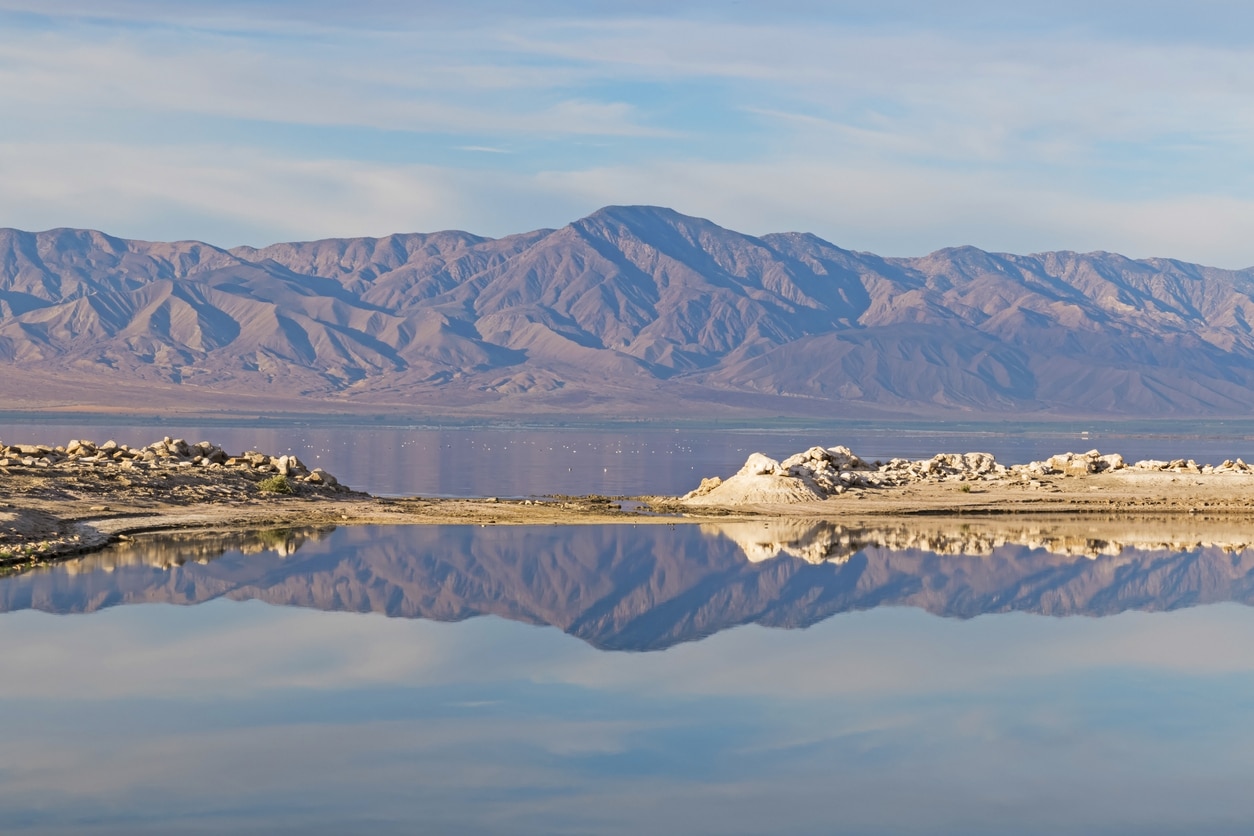
Mountains reflected on a serene lake surface.
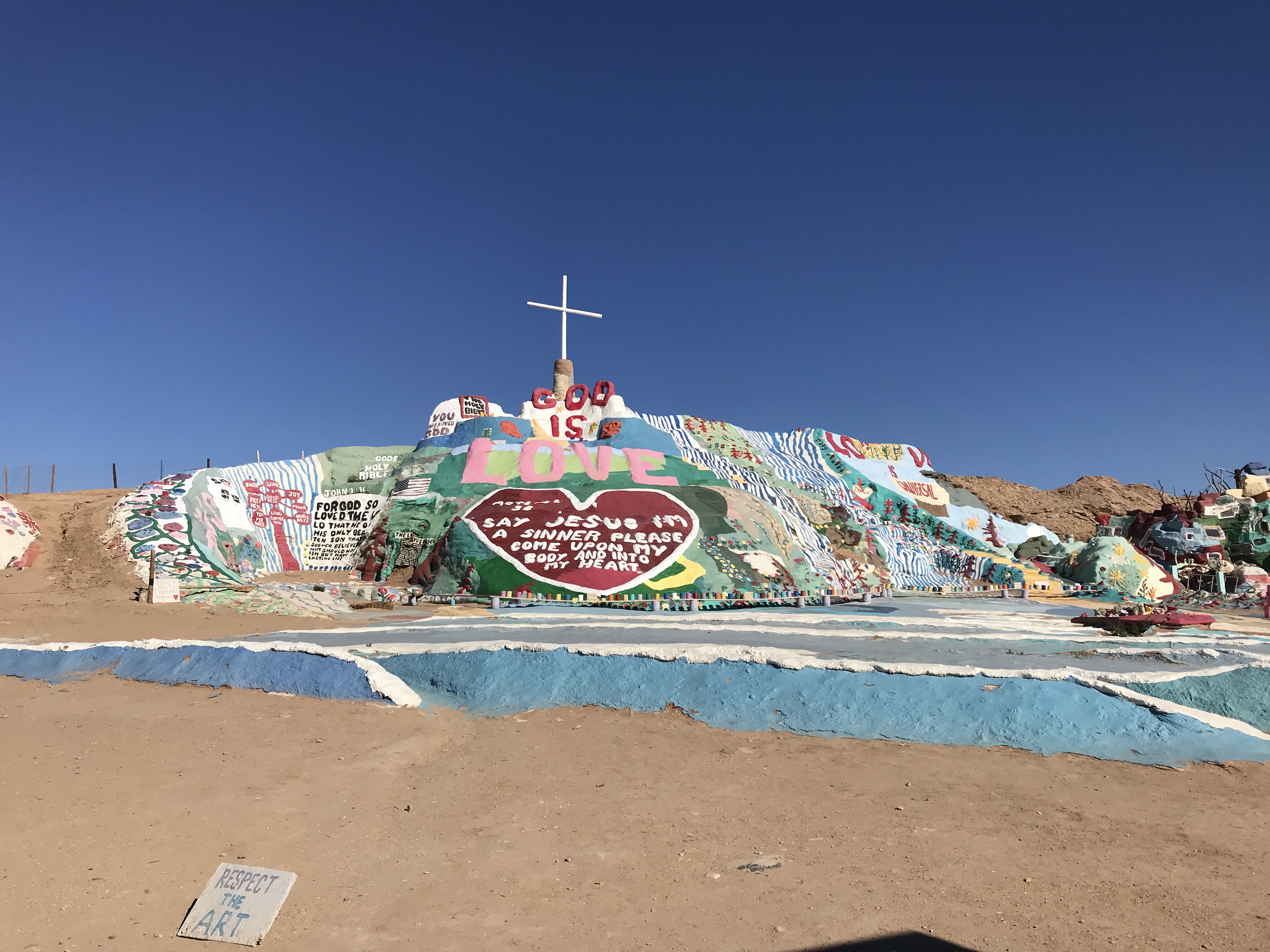
Mound covered in religious-themed graffiti and artwork.
A gnome surrounded by utensils mounted on a wheel.
Piece of bright obsidian among other rocks.
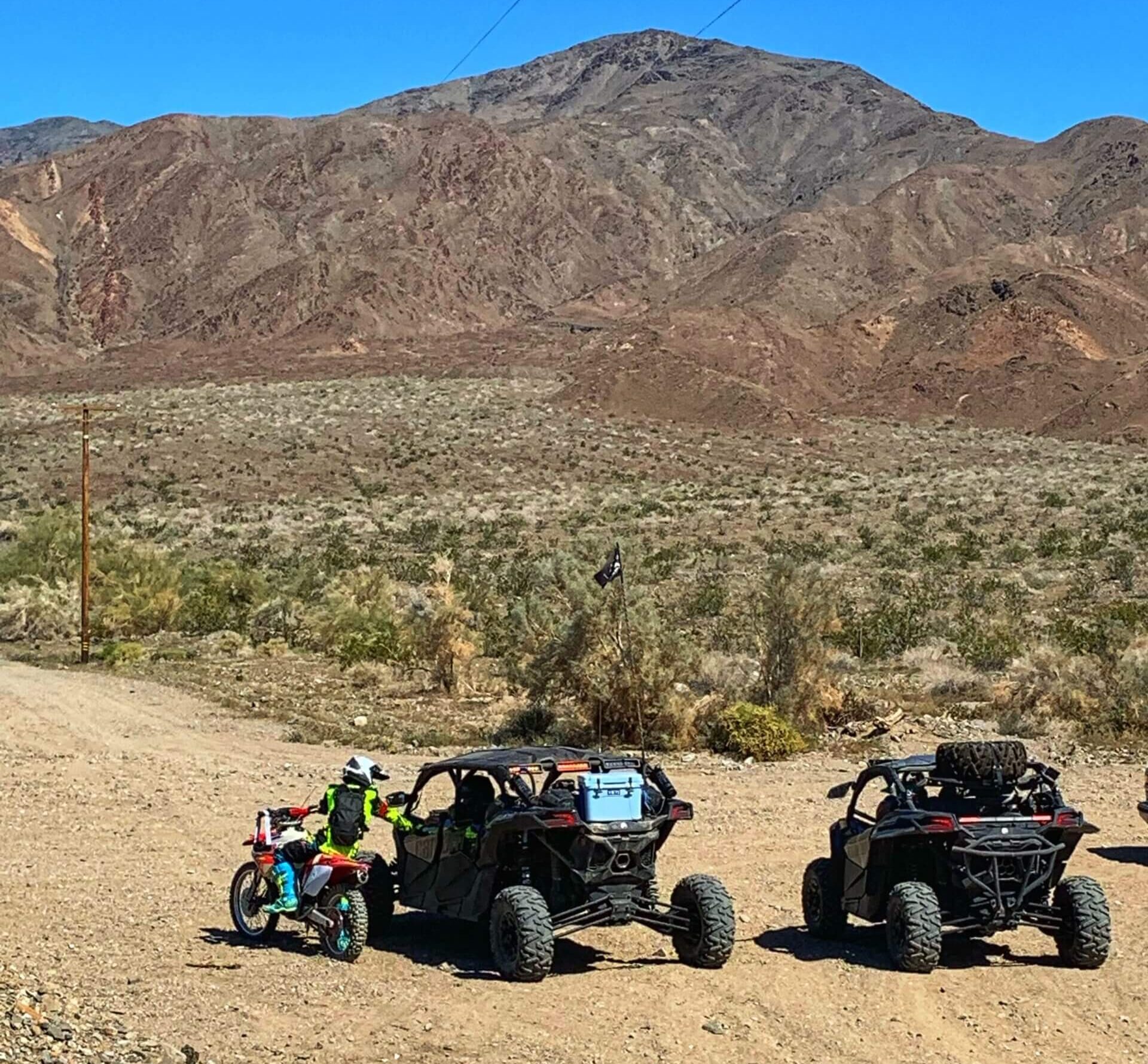
A pair of OHVs and motorcycle on a desert offroading trail.
A nostalgic poster showing four waterskiers showing signs of aging.
image
Continue reading
  731 Hits
Tags:

RV Maintenance on the Road

2 minutes reading time (442 words)

Maintaining your RV on the road is crucial for a smooth and trouble-free journey. Here are some tips for RV maintenance while traveling:

Regular Checks:Tire Maintenance:Regularly check tire pressure and inspect for signs of wear and damage. Carry a tire pressure gauge and be aware of the recommended pressure for your RV.Fluid Levels:Monitor oil, coolant, brake fluid, and other essential fluid levels. Top up fluids as needed, and address any leaks promptly.Brake Inspection:Pay attention to your RV's braking system. If you notice any unusual noises, vibrations, or a change in braking performance, have it inspected.Battery Care:Check the battery regularly, ensuring it is securely in place, and the connections are clean. Carry jumper cables and be familiar with your RV's battery system.Propane System:If your RV uses propane, check the propane system for leaks and ensure all connections are secure. Test the propane appliances for proper functionality.Emergency Preparedness:Emergency Kit:Carry a well-equipped emergency kit that includes items like a flashlight, batteries, basic tools, spare fuses, a tire repair kit, and a first aid kit.Spare Parts:Bring spare parts that are specific to your RV, such as fuses, belts, hoses, and filters. These can be valuable in case of unexpected breakdowns.Know Your RV:Familiarize yourself with your RV's systems and components. Know the location of the circuit breaker, fuse box, and emergency shut-offs.Weather Awareness:Weather Conditions:Stay informed about the weather conditions along your route. Be prepared for sudden changes in weather, especially if you're traveling through diverse climates.Winterization (If Applicable):If traveling in colder climates, be aware of the need for winterization. Protect your RV's plumbing system from freezing by using antifreeze and insulating exposed pipes.Campsite Maintenance:Leveling and Stabilizing:When parking your RV, use leveling blocks to ensure it is level. Stabilize the RV with jacks to prevent rocking.Slide-Out Maintenance:If your RV has slide-outs, regularly inspect and lubricate the mechanisms. Clean the slide-out seals to prevent leaks.Connectivity:RV Hookups:When connecting to water, electricity, and sewer hookups at campsites, ensure proper and secure connections. Check for leaks and monitor power consumption.Wi-Fi and Communication:Stay connected by using RV-friendly Wi-Fi solutions or mobile hotspots. Keep communication devices charged and have a backup power source.RV-Specific Apps:Use RV Maintenance Apps:Explore RV maintenance apps that can help you with checklists, maintenance schedules, and finding nearby service stations or RV repair shops.

Remember that regular maintenance and proactive checks can prevent larger issues down the road. If you're unsure about any aspect of RV maintenance, don't hesitate to seek assistance from RV service professionals. 

RV Nomads

  527 Hits
Tags:

RV Nomads

2 minutes reading time (437 words)

RV (Recreational Vehicle) nomads, also known as full-time RVers or RV dwellers, are individuals or families who have chosen a lifestyle centered around living and traveling in their RVs on a continuous basis. This lifestyle allows them the freedom to explore different places, experience new cultures, and embrace a sense of adventure. Here are some key aspects of the RV nomad lifestyle:

Home on Wheels:RV nomads live in their recreational vehicles, which can range from motorhomes and travel trailers to camper vans. These vehicles serve as their homes, providing living, sleeping, and cooking spaces.Freedom and Flexibility:RV nomads enjoy the flexibility to change their location regularly. They can choose to stay in campgrounds, RV parks, boondocking sites (dispersed camping without hookups), or even on private properties with permission.Traveling Lifestyle:The primary motivation for RV nomads is often the desire to travel and explore. They can visit national parks, scenic landscapes, historic sites, and various destinations while having the comfort of their home with them.Community and Social Connections:Despite the mobile nature of their lifestyle, RV nomads often build strong communities on the road. They connect with other RVers in campgrounds, attend RV meet-ups and rallies, and use online forums and social media to share tips and experiences.Remote Work and Nomadic Jobs:Many RV nomads support their lifestyle by working remotely. The rise of remote work opportunities and digital nomadism has enabled individuals to earn a living while traveling.Minimalist Living:RV living often requires downsizing and adopting a more minimalist lifestyle. Nomads typically carry only essential belongings and learn to maximize the use of limited space.Challenges and Adaptability:RV nomads face challenges such as adapting to different climates, managing resources like water and electricity, and navigating the logistics of life on the road. Flexibility and adaptability are essential traits.Cost Considerations:While RV living can be cost-effective compared to traditional homeownership, nomads still need to consider expenses such as fuel, campground fees, maintenance, and insurance.Environmental Impact:Many RV nomads are mindful of their environmental impact and practice sustainable living practices. Some choose solar power, practice Leave No Trace principles, and contribute to conservation efforts.Healthcare and Logistics:Access to healthcare is an important consideration for RV nomads. Some choose domiciles in states with lower taxes or insurance costs, while others use health-sharing ministries or telehealth services.
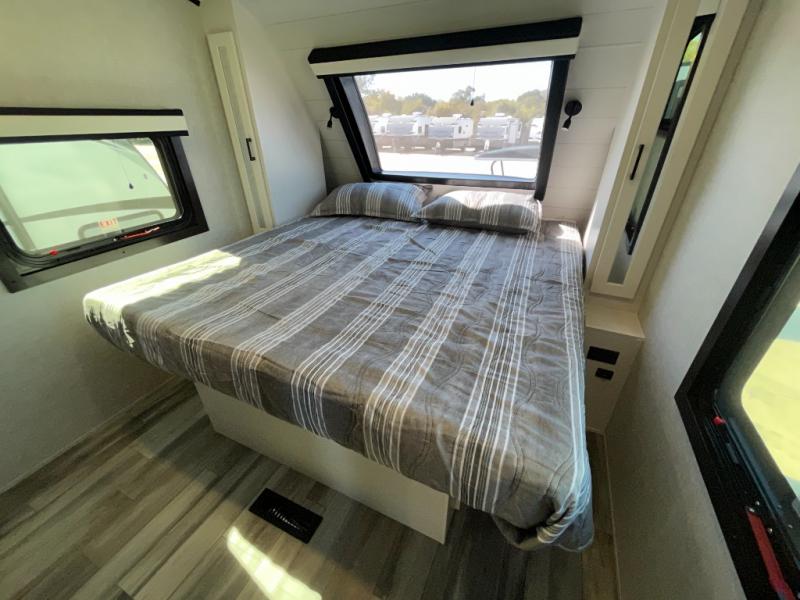
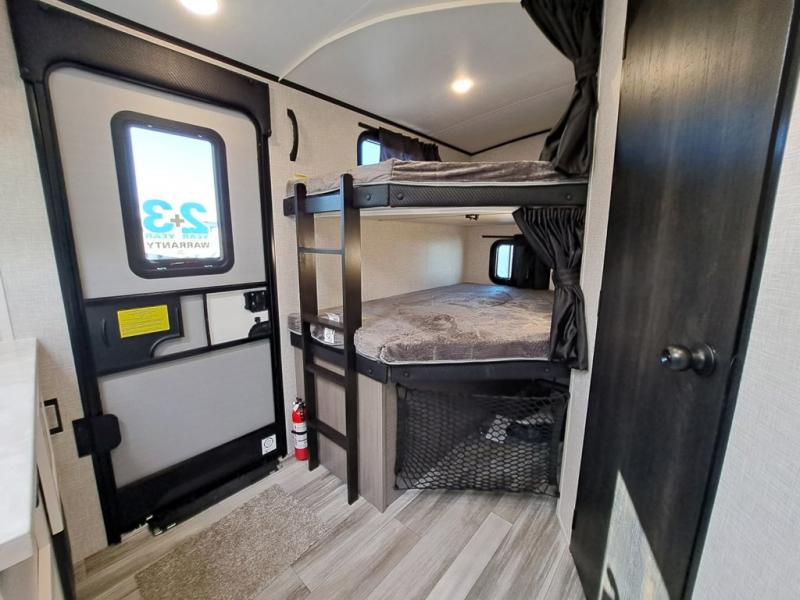
RV nomads document their journeys through blogs, social media, and YouTube channels, sharing insights into their lifestyle, travel tips, and the challenges they overcome. The RV nomad lifestyle represents a unique blend of adventure, independence, and a sense of community on the open road. 

RV Insulating

  573 Hits
Tags:

Van Life Pitfalls

2 minutes reading time (326 words)

The white marlin (Kajikia albida) is a species of billfish found in the Atlantic Ocean. Here are some key characteristics and information about white marlin:

Appearance: White marlin has a streamlined body with a pointed bill, or rostrum, and a distinct lateral line that runs along its sides. The upper part of the body is generally dark blue to chocolate brown, while the lower part is silvery white. They have a noticeable dorsal fin that is tall and pointed.Size: White marlin is smaller than some other marlin species. Adult white marlins typically weigh between 50 and 90 pounds (23 to 41 kilograms) and can reach lengths of up to 10 feet (3 meters).Habitat: White marlins are found in the tropical and subtropical waters of the Atlantic Ocean. They inhabit both offshore and nearshore waters, often associating with warm ocean currents.Behavior: White marlins are highly migratory and are known for their speed and agility. They are capable of bursts of high-speed swimming and are often seen leaping out of the water. Like other billfish, they are carnivorous, feeding on a diet of smaller fish and squid.Reproduction: White marlins reproduce through spawning. The female releases eggs into the open water, and the male fertilizes them externally. The eggs hatch into larvae, and the young fish grow rapidly.Conservation Status: White marlins, like many other billfish species, face conservation challenges due to overfishing. They are often targeted by sport fishermen and commercial fisheries. Management measures, such as size and bag limits, are implemented to help conserve their populations.Sport Fishing: White marlins are popular targets for sport fishing due to their speed, acrobatic displays when hooked, and the challenge they present to anglers. Catch-and-release practices are often encouraged in sport fishing to contribute to conservation efforts.
It's important to note that white marlins, like other billfish, play a significant role in marine ecosystems, and their conservation is crucial for maintaining the health of oceanic environments. 

RV Utilities and Hookups

  747 Hits
Tags:


Outdoorsmen