
Hunting and Fishing News Blog Articles

Stay up-to-date on hunting, fishing and camping products, trends and news.

7 Things to Know When Camping to See the April Eclipse

If you haven’t already made travel and camping plans for the total solar eclipse of 2024, time is of the essence! During this rare phenomenon, daytime will seemingly change into night for a few minutes in 13 states stretching from Texas to Maine. The following FAQ will help you decide where to camp for the best eclipse experience.

When Will the Total Eclipse of 2024 Take Place?

The total eclipse will take place on April 8 in the early afternoon hours. Texas will experience the eclipse around 1p.m. Central Time, while Maine will see the eclipse around 3:20 p.m. Eastern Time. Although the total eclipse will last only a few minutes at most, many locations will experience several hours of a partial eclipse.

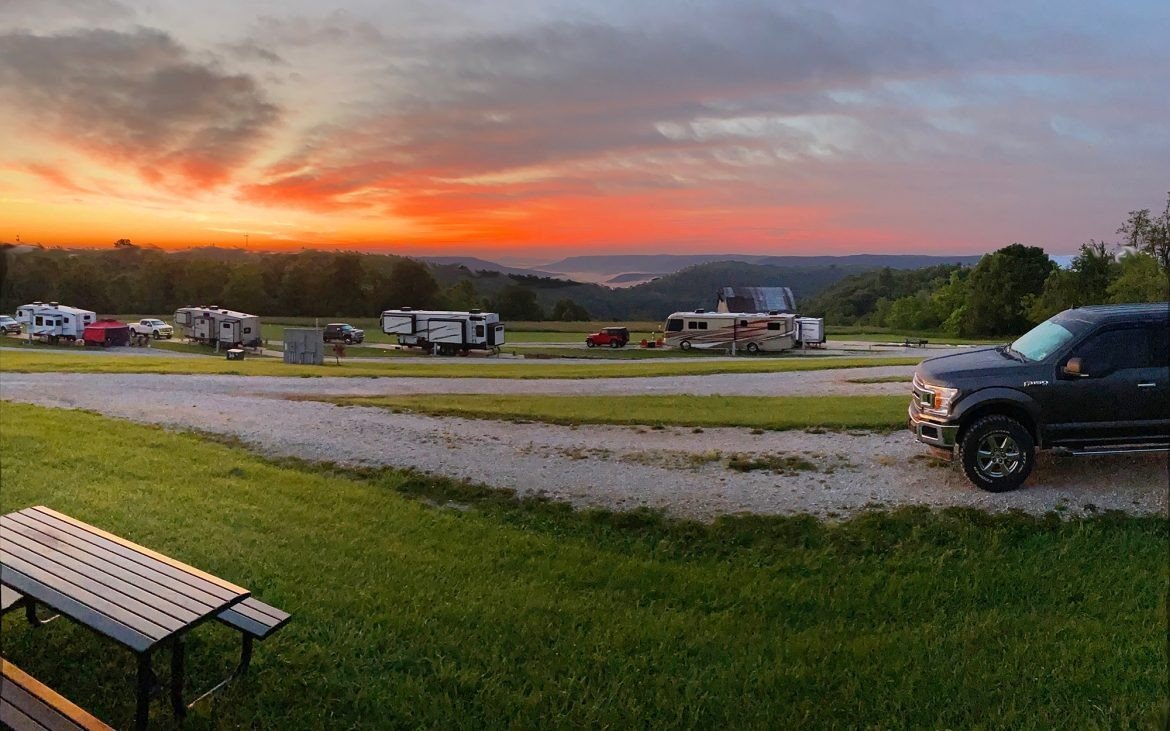
Camping in Arkansas in the path of the eclipse. Photo: Kerri Cox

If you’re camping, make sure to note that April 8 is a Monday, giving you the perfect chance for an extended weekend stay. Depending on where you camp, you may need a reservation for the evening of the 8th; otherwise, you might have to check out of your campground before the eclipse. 

Where Are the Best Locations to See the Eclipse?

The total eclipse will be visible in parts of these 13 states, primarily in the Central and Eastern U.S.: Texas, Arkansas, Oklahoma, Missouri, Kentucky, Illinois, Indiana, Ohio, Pennsylvania, New York, Vermont, New Hampshire, and Maine. It will also be experienced in parts of Central Mexico and Eastern Canada.
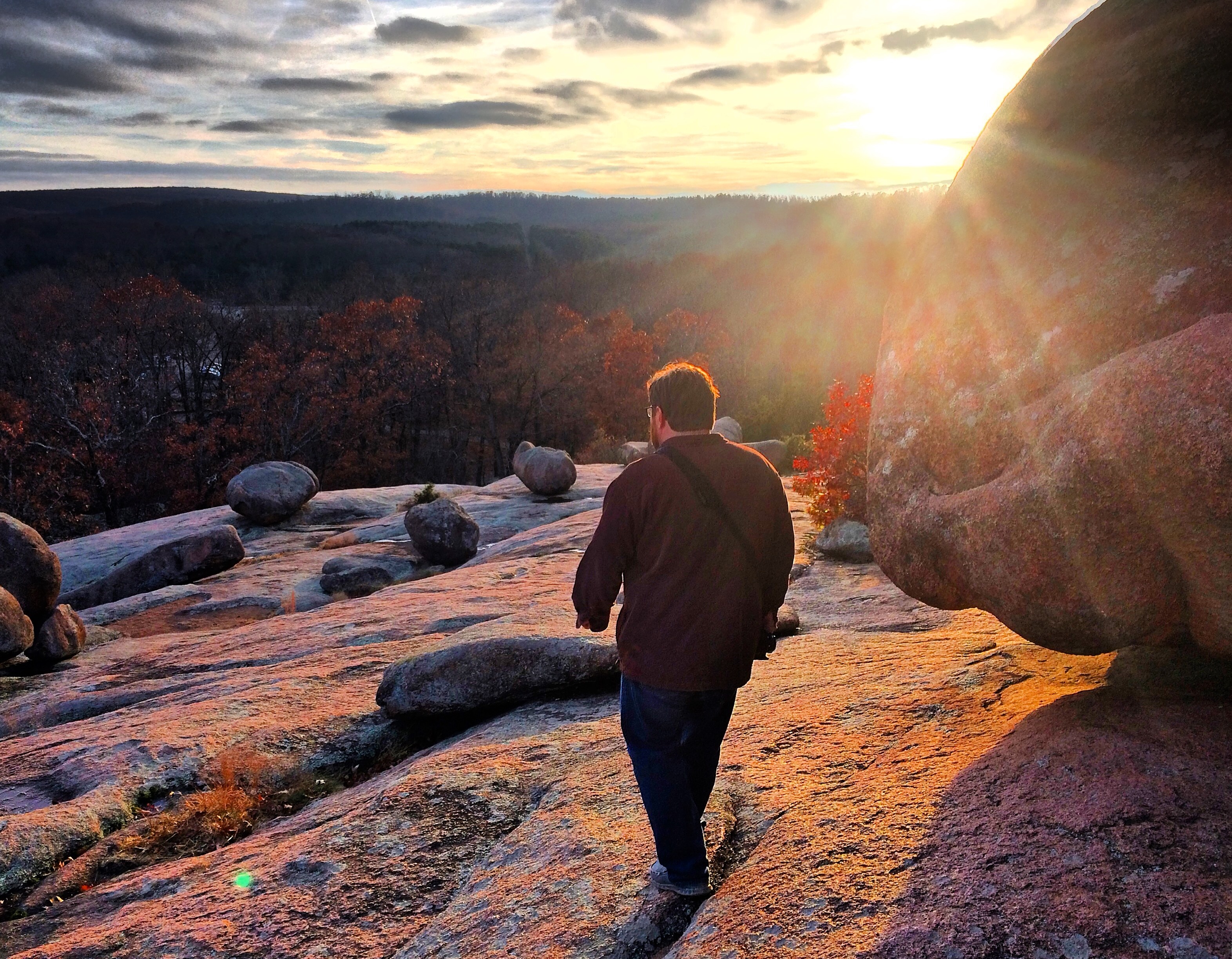
Man walking on rocks at sunset.
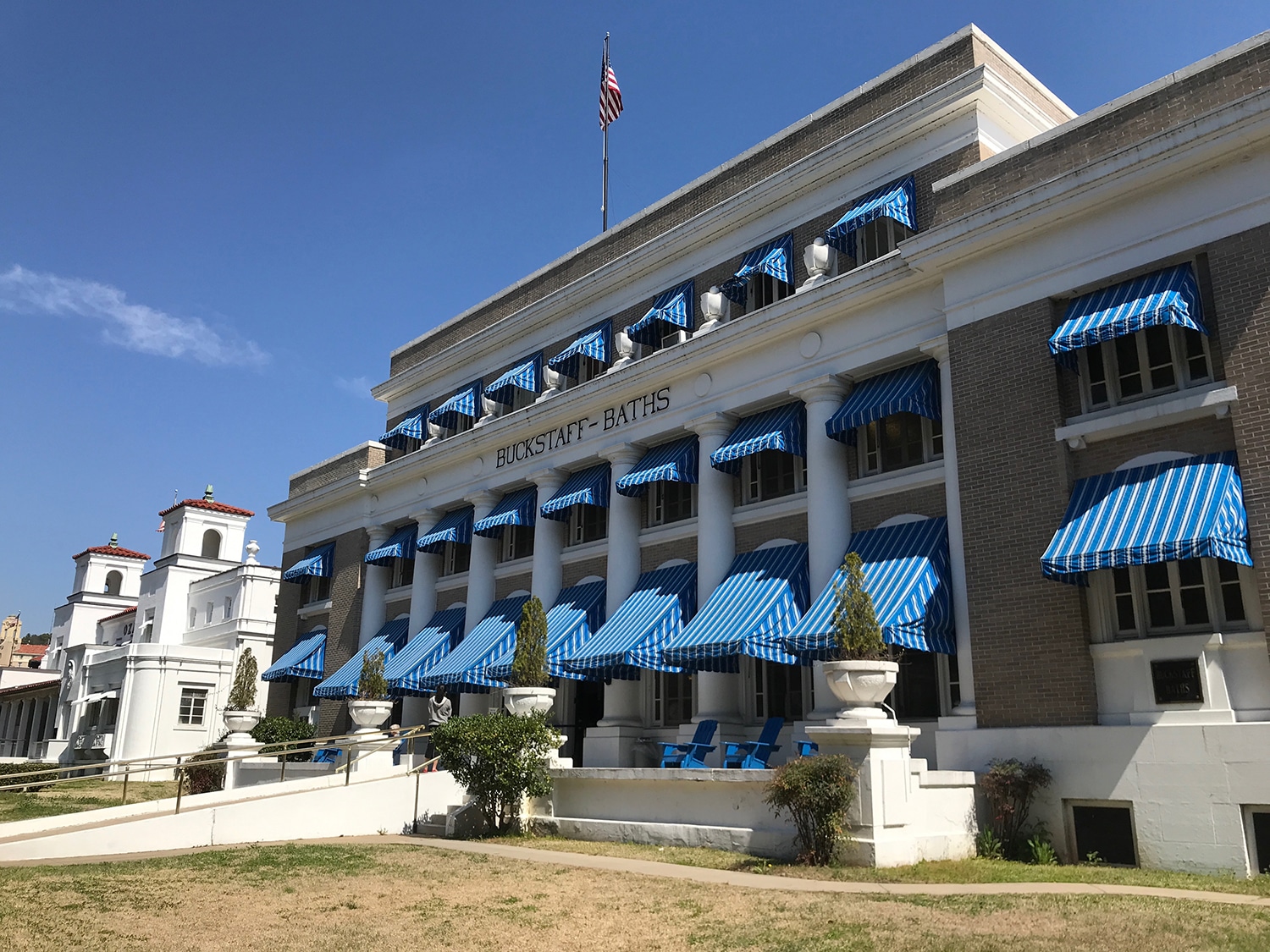
old building in hot springs national park.

Kid with modified eclipse-watching gear

image
Continue reading
  796 Hits
Tags:

Tin Can Tourists

2 minutes reading time (381 words)

The "Tin Can Tourists" were an early group of recreational vehicle (RV) enthusiasts who emerged in the United States in the early 20th century. Their name, quite emblematic of their resourcefulness and the era, reflects both their mode of travel and their cooking methods. Here's a closer look at their history and significance:

OriginEstablishment: The Tin Can Tourists organization was officially established in 1919 in Tampa, Florida, although the movement started a few years earlier.Name Origin: The name "Tin Can Tourists" came from the fact that they often relied on canned food during their travels, and their early vehicles resembled tin cans on wheels.CharacteristicsVehicles: Early Tin Can Tourists used a variety of vehicles, many of which were modified cars or small trucks equipped with homemade accommodations for sleeping and cooking. These were the precursors to modern RVs.Lifestyle: They were known for their nomadic lifestyle, often traveling in convoys and setting up camps in rural areas or free spaces near towns.Community: A strong sense of community was prevalent, with gatherings featuring communal meals, entertainment, and a shared love for adventure and travel.SignificanceTravel and Leisure: The Tin Can Tourists played a pivotal role in popularizing automobile travel for leisure, paving the way for the modern RV culture.Ingenuity: Their resourcefulness in modifying vehicles and creating makeshift accommodations demonstrated early examples of DIY RVing.Tourism Impact: Their travels contributed to the growth of roadside tourism in the U.S., including the development of campgrounds, national parks, and roadside attractions.Decline and RevivalDecline: The organization's popularity waned after World War II, partly due to the development of more sophisticated and comfortable RVs and changing travel habits.Revival: In the late 1990s, there was a resurgence of interest in the Tin Can Tourists, leading to the revival of the group. The modern incarnation is dedicated to celebrating the history of RVing and preserving vintage travel trailers and motor coaches.Legacy

The legacy of the Tin Can Tourists is significant in the context of American road travel history. They were pioneers of overland travel for pleasure, setting the stage for the modern RV industry and the widespread popularity of road tripping as a form of vacation. Their spirit of adventure, community, and innovation continues to inspire RV enthusiasts today. 

Know your RV

  485 Hits
Tags:

Know your RV

2 minutes reading time (473 words)

"Knowing your RV" is crucial for safe and enjoyable travel. This knowledge not only helps in ensuring smooth operation but also in dealing with unexpected situations. Here's a guide to help you become familiar with your RV:

1. Understanding RV TypesClass A, B, C: Know the type of your RV. Class A are the largest, Class B are camper vans, and Class C are mid-sized.Travel Trailers & Fifth Wheels: If you have a towable RV, understand the specifics of towing and hitching.2. Basic OperationsDriving/Towing: Practice driving or towing the RV to get used to its size and handling, especially for backing up and turning.Hookups: Learn how to connect to electrical, water, and sewage systems. Know the locations of the water pump switch, electrical panel, and propane shut-off valve.Slide-Outs & Leveling Systems: Understand how to operate slide-outs and leveling jacks, if your RV has them.3. Systems FamiliarizationElectrical System: Know the difference between your RV's 12V battery system and 110V system when connected to external power.Water System: Understand the fresh water, grey water, and black water systems, including how to fill and empty each tank.Propane System: Learn how the propane system works, how to check levels, and safety precautions.4. Appliance UsageHeating/Cooling Systems: Know how to operate the furnace and air conditioning.Refrigerator, Stove, Oven, Microwave: Make sure you know how to operate all kitchen appliances, which may run on electricity, propane, or both.Water Heater: Understand how to operate and what fuel sources it uses.5. Safety MeasuresSmoke and Carbon Monoxide Detectors: Regularly check these detectors are in working order.Fire Extinguisher: Know where it is located and how to use it.Emergency Exits: Familiarize yourself with the emergency exit windows or doors.6. Maintenance ChecksRegular Inspections: Check for any RV parts that may need maintenance or repair, including roof seals, tire pressure, and battery life.Winterizing/De-Winterizing: If you live in a region with harsh winters, know the procedures for winterizing and de-winterizing your RV.7. DocumentationManuals: Keep the owner's manual and any appliance manuals handy. They are your go-to resource for specific questions.Service Records: Keep a log of all maintenance and repairs.8. Customizations and AdditionsIf you've added any custom features or aftermarket additions, understand how these affect the operation and maintenance of your RV.9. TroubleshootingLearn basic troubleshooting for common issues like a blown fuse, a malfunctioning appliance, or a clogged toilet.10. Community ResourcesRV Communities: Join online forums, social media groups, or local clubs where experienced RVers share advice and tips.

By thoroughly understanding your RV, you can prevent many common issues, handle emergencies more effectively, and enjoy a more relaxed and confident RV experience. Remember, it's a learning process, so take your time to get to know your RV inside and out. 

RV Tires

  585 Hits
Tags:

RV Tires

2 minutes reading time (455 words)

RV (Recreational Vehicle) tires are a critical component of RV safety and performance. Since RVs vary greatly in size, weight, and design, choosing the right tires is essential for ensuring a safe and comfortable journey. Here's an overview of RV tires, including types, important considerations, and maintenance tips:

Types of RV Tires:Radial Tires:Design: Layers (plies) run radially across the tire.Benefits: Better tread life, improved fuel efficiency, and a smoother ride on highways.Common Use: Most modern RVs, especially for long-distance travel.Bias Ply Tires:Design: Plies are layered diagonally across the tire.Benefits: Stronger sidewalls, better for heavy loads, and more resistant to sidewall punctures.Common Use: Older RV models, off-road or rough terrain usage.Key Considerations:Size and Load Rating:Ensure the tire size and load rating match your RV's requirements. Overloaded tires can lead to blowouts.Speed Rating:Check the speed rating to ensure the tires can safely handle your typical driving speed.Type of RV:Motorhomes, travel trailers, and fifth wheels have different tire needs. Motorhomes generally require heavier-duty tires.Climate and Terrain:Consider all-weather tires for a variety of conditions, or specialized tires if you frequently travel in extreme weather or rough terrain.Tire Age:RV tires should be replaced every 5-7 years, regardless of tread depth, due to degradation of rubber over time.Maintenance Tips:Regular Inspections:Regularly check for signs of wear, damage, or aging, such as cracks, bulges, or tread wear.Proper Inflation:Always maintain the recommended tire pressure. Underinflation can cause heat build-up and tire failure, while overinflation can lead to a harsh ride and uneven wear.Tire Covers:Use tire covers when the RV is parked for extended periods to protect tires from UV damage and weathering.Weight Distribution:Ensure your RV's weight is evenly distributed to avoid uneven tire wear.Balancing and Alignment:Have the tires balanced and the RV's wheel alignment checked regularly to prevent irregular wear and vibration.Spare Tire:Carry a spare tire and ensure it is in good condition and properly inflated.Storage:If storing your RV for an extended period, store it in a cool, dry place and consider using tire jacks to take weight off the tires.Replacement:When replacing RV tires, it's crucial to choose tires specifically designed for RV use. Automotive tires might not have the appropriate load capacity or construction for RV applications.Professional Advice:Consult with a tire professional experienced in RV tires for specific recommendations based on your RV type, travel habits, and geographic considerations.

Proper tire selection, regular maintenance, and timely replacement are key to ensuring a safe and enjoyable RV experience. Always refer to your RV's manual and tire manufacturer's guidelines for specific advice related to your RV model.

Choosing the right RV

  482 Hits
Tags:

Pechanga RV Resort: California Fun in a ‘Hidden Paradise’

Uncork vacation adventure in the hills of Temecula, California, between San Bernardino and San Diego. Pechanga RV Resort puts guests within close reach of stellar golfing, high-flying casino action, and a slew of vineyards that welcome visitors for tastings. 

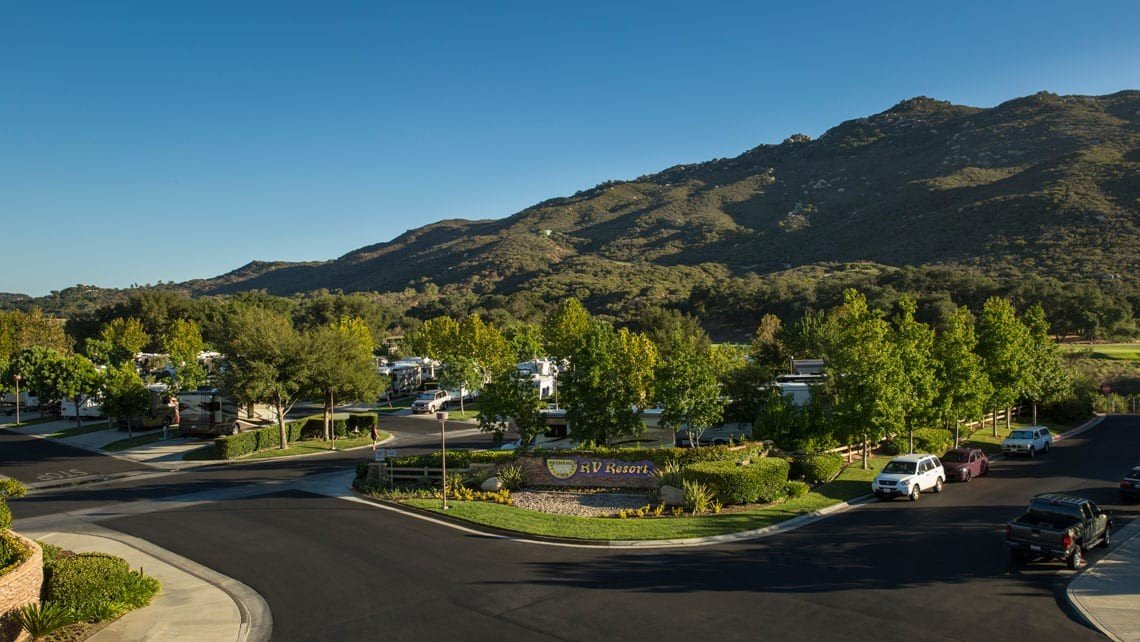
Situated amid lush landscaping and plenty of shady trees, the resort pampers guests with ample amenities. Take a dip in the pool, hone your skills in the putting green, or let your pooch run loose in the fenced pet area. From the resort, the surrounding mountains form an inspiring backdrop. 

Photo Courtesy of Pechanga Resort Casino

Comfort in Wine Country

Pechanga RV Resort treats guests to ample lot sizes. Choices include the Presidential, with a picnic table, gazebo, barbecue, and fire pit; and the Chairman Elite, which includes all of the above along with a fire pit and large grass area. Sites also are available in pull-through versions and are 18 x 67 feet. All 210 available spaces have full hookups, with 20, 30-, and 50-amp power. The RV Resort amenities include immaculate restrooms and showers, cable TV, Wi-Fi, laundry facilities, courtesy patrols 24/7, and a guest shuttle. Nearby, the Pechanga Gas Station, Mini Mart, and Baja Fresh offer added convenience. 

Odds in Your Favor

A short walk from the RV resort, the Pechanga Resort Casino rolls out 200,000 square feet (equivalent to 3.5 football fields) of gaming fun. Hit the 5,500 state-of-the-art slot machines. Choose from 15 different table games, including blackjack, baccarat, and Pai Gow.

Slot machines gleam on a casino floor.
Woman golfer taking a back swing on grassy fairway.
Storefront boasting designer clothes.
Ballon with basket filled with people coming in for a landing.
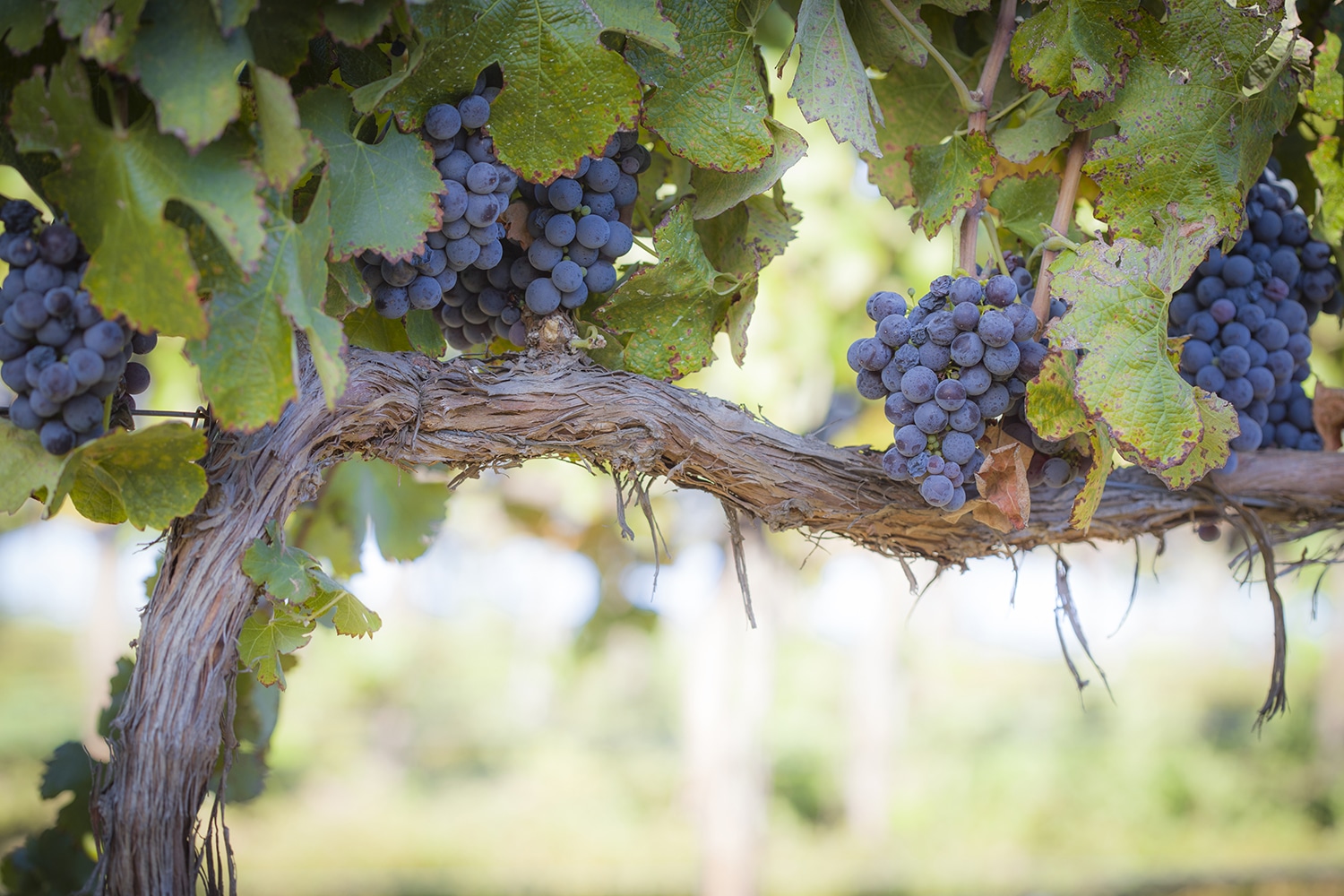
Vineyard with Lush, Ripe Wine Grapes on the Vine Ready for Harvest.
image
Continue reading
  715 Hits
Tags:

Choosing the right RV

3 minutes reading time (551 words)

Choosing the right RV (Recreational Vehicle) can significantly enhance your travel experience, comfort, and enjoyment. Given the wide range of options available, it's crucial to consider several factors to ensure you pick an RV that best suits your needs and preferences. Here are key steps and considerations:

1. Determine Your Needs and PreferencesTravel Style: Consider how you plan to use the RV. Are you looking for long cross-country trips, weekend getaways, or mainly stationary camping?Number of People: Assess how many people will typically travel with you. This will influence the size and sleeping accommodations needed.Budget: Set a realistic budget, including purchase price, maintenance, insurance, and fuel costs.Driving Comfort: Some people are comfortable driving large vehicles, while others may prefer something more compact.Amenities: List what amenities are essential for you, such as a full kitchen, bathroom, air conditioning, or specific sleeping arrangements.2. Choose the Right Type of RVClass A Motorhomes: Large and luxurious, ideal for long trips and full-time living. However, they are expensive and can be challenging to drive.Class B Motorhomes (Camper Vans): Smaller, more maneuverable, and fuel-efficient, but with limited space.Class C Motorhomes: A middle ground between Class A and B, offering more space than Class B but more manageable to drive than Class A.Travel Trailers: Towed behind a vehicle, they come in various sizes. Requires a vehicle with adequate towing capacity.Fifth Wheel Trailers: Larger trailers that require a pickup truck with a special hitch. They offer spacious living areas.Pop-Up Campers: Compact and lightweight, suitable for short trips and smaller families. Limited amenities.3. New vs. UsedNew RVs: Offer the latest features and technologies, with manufacturer warranties but are more expensive.Used RVs: More budget-friendly but may have wear and require more maintenance. It's crucial to thoroughly inspect a used RV before purchasing.4. Inspect the RV ThoroughlyOverall Condition: Check for any signs of damage, leaks, rust, or wear.Mechanical Inspection: For motorhomes, a mechanical inspection is as crucial as with any vehicle. Ensure the engine, brakes, and other systems are in good condition.Amenities and Features: Test all amenities to ensure they are functioning correctly. This includes the kitchen appliances, bathroom fixtures, air conditioning, heating, and any electronic systems.Living Space and Storage: Ensure the living space suits your comfort needs and that there is adequate storage for your belongings.5. Consider Additional FactorsFuel Efficiency: Larger RVs are generally less fuel-efficient.Parking and Storage: Consider where you will store the RV when not in use. Larger RVs may require rented storage space.Camping Spots and Restrictions: Some campgrounds have length restrictions or may not accommodate certain types of RVs.6. Take Test DrivesDriving Experience: Especially for motorhomes, take a test drive to see how comfortable you are with the vehicle's size and handling.7. Consult with Current RV OwnersForums and Communities: Online forums, social media groups, and local RV communities can offer valuable insights and advice.

Picking the right RV involves a careful assessment of your needs, budget, and lifestyle. Take your time to explore different options, and don't hesitate to ask for advice from experienced RVers. Remember, the right RV is the one that feels like a comfortable, enjoyable, and safe home on the road for you and your travel companions. 

Pechanga RV Resort: California Fun in a ‘Hidden Pa...

  614 Hits
Tags:

Pros & Cons of Buying a New vs Used RV – Why We’ve Only Had New

...

Read morePros & Cons of Buying a New vs Used RV – Why We’ve Only Had New

  781 Hits
Tags:

RV Bathroom Options

3 minutes reading time (539 words)

Recreational vehicles (RVs) come with a variety of bathroom options, catering to different sizes, styles, and levels of comfort. The type of bathroom in an RV can significantly impact your overall camping experience, especially during long trips or when traveling in remote areas. Here are the main types of RV bathrooms and their features:

1. Full BathroomsDescription: These bathrooms are similar to what you would find in a typical home. They include a separate shower, a toilet, and a sink.Common in: Larger RVs, such as Class A motorhomes and larger Class C motorhomes.Advantages: High level of comfort and privacy, more space, and often better storage facilities.Considerations: They require more water and waste storage capacity, and are found in larger RVs which may be more challenging to drive and park.2. Wet BathsDescription: Wet baths are compact bathrooms where the shower, toilet, and sink are combined in a single waterproof space.Common in: Smaller RVs, such as Class B motorhomes (campervans), small Class C motorhomes, and some travel trailers.Advantages: Space-saving design, easier to clean, and makes bathroom facilities possible in smaller RVs.Considerations: Less comfortable due to the small space, and everything gets wet when the shower is used.3. Split BathroomsDescription: In split bathrooms, the shower and toilet are separated, often with the shower on one side of the hallway and the toilet and sink on the other.Common in: Various types of RVs, offering a middle ground between full and wet baths.Advantages: Better use of space than a full bath, more privacy than a wet bath.Considerations: The layout may require more movement between spaces, and it can feel less cohesive than a single bathroom unit.4. Dry BathsDescription: A dry bath keeps the toilet area separate from the shower, ensuring the toilet and sink area remain dry.Common in: Larger RVs where space allows for a more traditional bathroom layout.Advantages: More comfortable and similar to a residential bathroom experience.Considerations: Takes up more space and is typically found in larger, more expensive RVs.5. Cassette Toilet SystemsDescription: These are portable toilet systems where waste is collected in a removable cassette that can be emptied at disposal points.Common in: Smaller RVs and campervans.Advantages: Flexible waste disposal, no need for a built-in black water tank.Considerations: Limited capacity, requires more frequent emptying, and manual handling of waste.6. Composting ToiletsDescription: These toilets compost waste and require no water for flushing, separating liquid and solid waste.Common in: Various RV types, especially for those who prefer eco-friendly options.Advantages: Water-saving, reduces waste odor, and allows for longer off-grid camping.Considerations: Requires regular maintenance, and some users may find the concept unappealing.7. No BathroomDescription: Some small RVs or campervans may not have built-in bathrooms, relying on external facilities.Advantages: More living space in a small RV, less weight, and complexity.Considerations: Dependence on campsite facilities or public restrooms, less convenient.Choosing the Right Option

When selecting an RV, consider your travel style, comfort needs, the number of people using the bathroom, and whether you'll be staying in campsites with facilities or venturing off-grid. Each bathroom type offers a balance between convenience, comfort, and space usage. 

RV Awnings

  788 Hits
Tags:

RV Awnings

2 minutes reading time (432 words)

RV awnings are a popular accessory for recreational vehicles, providing shade and protection from the elements while enhancing the outdoor living experience. Here's a comprehensive overview of RV awnings:

Types of RV AwningsManual Awnings: These require physical effort to extend and retract. They are more affordable but less convenient than automatic versions.Automatic or Motorized Awnings: These extend and retract with the push of a button, offering convenience and ease of use. They are more expensive and may require a power source.Fixed Awnings: Permanently attached to the RV, these offer constant protection but can be less flexible in terms of deployment and storage.Slide-out Awnings: Designed to protect the top of an RV's slide-out room, these awnings prevent debris accumulation and water pooling.Window and Door Awnings: Smaller awnings that provide shade and rain protection for windows and doors.Patio Awnings: Larger awnings that extend to create a shaded outdoor area beside the RV.MaterialsFabric: Commonly made from durable materials like acrylic or vinyl. Acrylic is breathable and dries quickly, while vinyl is waterproof and suitable for areas with heavy rainfall.Frames: Usually constructed from aluminum or steel. Aluminum is lighter and resistant to rust, while steel is stronger but heavier.Features to ConsiderSize: Match the awning size to your RV's dimensions and the amount of outdoor space you want to cover.Weather Sensors: Some high-end motorized awnings have sensors that automatically retract the awning in high winds.Integrated Lighting: LED lights can be built into the awning for nighttime use.Adjustable Pitch: Allows for changing the angle of the awning for optimal shade and rain runoff.Color and Design: Aesthetics to match your RV's style and personal preference.Installation and MaintenanceInstallation: Some RVs come with pre-installed awnings, while others can be fitted aftermarket. Professional installation is recommended for best results.Maintenance: Regular cleaning, checking for tears or damage, and ensuring the awning is dry before storage to prevent mold and mildew.Safety and Usage TipsRetract in Bad Weather: High winds and heavy snow can damage the awning.Secure Properly: Ensure it's fully retracted and secured while driving.Use Tie-Downs: In mild winds, awning tie-downs can provide extra stability.Avoid Hanging Objects: Hanging heavy items from the awning can cause damage.Conclusion

RV awnings significantly enhance the comfort and functionality of your recreational vehicle. Whether you choose a manual or automatic model, it's important to consider the material, size, and additional features to find the best fit for your RV and lifestyle. Regular maintenance and proper use are key to prolonging the life of your awning.

Pros & Cons of Buying a New vs Used RV – Why We’ve...

  705 Hits
Tags:

How RVing Changed Our Lives – Episode 1: RVing with Joe and Kait

...

Read moreHow RVing Changed Our Lives – Episode 1: RVing with Joe and Kait

  587 Hits
Tags:

RV'ing in Norway

3 minutes reading time (561 words)

RV touring in Norway offers a spectacular experience with its stunning landscapes, from deep fjords to towering mountains and rugged coastlines. The country is well-suited for RV travel, with well-maintained roads and a network of campgrounds. Here are some of the best RV routes in Norway that showcase its natural beauty and cultural sites:

The Atlantic Road (Atlanterhavsveien):This famous route runs through an archipelago in Eide and Averøy in Møre og Romsdal.The route is known for its dramatic bridges and views of the Atlantic Ocean.It's relatively short, but the surrounding areas offer numerous camping and sightseeing opportunities.Lofoten Islands:Explore the dramatic scenery of the Lofoten Islands in Northern Norway.The route includes stunning views of the ocean, mountains, and traditional fishing villages.Take ferries between islands and enjoy the midnight sun in the summer.Norwegian Scenic Route Geiranger-Trollstigen:This route features some of Norway's most famous natural landmarks, including the Geirangerfjord (a UNESCO World Heritage site) and the Trollstigen mountain road.There are several RV-friendly campgrounds in the area.Oslo to Bergen via the Hardangervidda National Park:Travel from the capital, Oslo, to the historic city of Bergen.Pass through the Hardangervidda National Park, which offers a dramatic landscape of mountains and plateaus.Visit the Hardangerfjord, the Vøringsfossen waterfall, and the famous Flåm Railway.The Sognefjellet National Tourist Route:This route goes through Jotunheimen National Park, home to Norway's highest mountains.It's the highest mountain pass in Northern Europe and offers breathtaking views.Senja National Tourist Route:Senja, Norway's second-largest island, offers a mix of mountainous terrain and coastal scenery.The route includes viewpoints like the Tungeneset rest area with views of the iconic Devil's Jaw peaks.The North Cape (Nordkapp):Journey to the northernmost point of Europe, offering dramatic cliff views and the Arctic Ocean.The route has unique arctic landscapes and the chance to experience the midnight sun.Gamle Strynefjellsvegen:An old mountain road offering an unspoiled natural landscape.The route is great for those seeking a historic and scenic drive.The Helgeland Coast (Kystriksveien Coastal Route):This route features thousands of islands, islets, and reefs along the Helgeland coast.It includes crossing the Arctic Circle and offers opportunities for ferry trips and island hopping.Ryfylke National Tourist Route:Explore the diverse landscapes of Ryfylke with fjords, mountains, and historic sites.Highlights include the Lysefjord and the famous Pulpit Rock (Preikestolen).Tips for RV Travel in Norway:Plan Your Route and Stops: Many roads in Norway, especially in rural and mountainous areas, are narrow and winding. Plan your route carefully considering your RV's size.Camping: Utilize designated campgrounds. Wild camping is allowed in many parts of Norway, but be sure to follow the rules of 'allemannsretten' (every man's right).Weather Conditions: Be prepared for rapidly changing weather and check conditions in advance, especially when driving in mountainous areas.Ferries: Many routes involve ferry crossings. Check schedules and prices in advance.Tolls: Some roads, tunnels, and bridges in Norway require tolls. Consider registering for an AutoPASS.Midnight Sun and Northern Lights: Depending on the season, you might experience the midnight sun in the summer or the northern lights in the winter.

Norway's diverse landscapes and well-maintained roads make it an ideal country for an RV adventure. Just remember to respect nature and local regulations, and be prepared for the unique driving conditions that Norway's terrain presents.

How RVing Changed Our Lives – Episode 1: RVing wit...

  472 Hits
Tags:

RV Departure Checklist – Use This RV Checklist Before Driving

...

Read moreRV Departure Checklist – Use This RV Checklist Before Driving

  548 Hits
Tags:

RV Rehab

3 minutes reading time (550 words)

Rehabilitating an RV (Recreational Vehicle) can be an exciting project, offering the opportunity to restore an older vehicle to its former glory or even improve upon it with modern touches. The process can vary greatly depending on the condition of the RV and your goals for the rehabilitation. Here's a general guide on how to approach the rehab of an RV:

1. Initial AssessmentInspect the RV: Carefully assess the RV's condition, including the engine, electrical system, plumbing, insulation, windows, doors, and the interior. Look for signs of water damage, rust, and wear.Set a Budget: Based on your assessment, set a realistic budget. Remember, restoration can often uncover more issues, so it's wise to allocate a contingency fund.2. Plan Your RehabDecide on Extent of Rehab: Determine if it's a full-scale rehab (stripping down to the frame) or a cosmetic update (paint, furnishings).Design the Layout: Consider any changes to the interior layout, keeping in mind space constraints and weight distribution.Select Materials and Appliances: Choose materials that are lightweight, durable, and suitable for an RV. Decide on any appliance upgrades.3. Structural RepairsAddress Water Damage: Repair any leaks in the roof, windows, or plumbing. Replace damaged wood or insulation.Check the Frame and Exterior: Repair any structural damage to the frame, and consider repainting or resealing the exterior.4. Mechanical SystemsEngine and Drivetrain: If it's a motorized RV, ensure the engine, brakes, transmission, and drivetrain are in good working order.Electrical System: Update or repair the electrical wiring, considering both the 12V DC system (for batteries) and the 110V AC system (for hookups).Plumbing: Check all plumbing lines, pumps, the water heater, and tanks. Replace as needed.Heating and Cooling: Service the HVAC system, ensuring proper functioning for comfort.5. Interior MakeoverWalls and Flooring: Replace or refurbish the walls and flooring. Use materials that are moisture-resistant and suitable for movement.Furniture and Storage: Reupholster existing furniture or replace it. Optimize storage space with custom solutions.Kitchen and Bathroom: Update countertops, cabinets, sinks, and faucets. In the bathroom, consider space-saving fixtures.6. Aesthetics and Finishing TouchesPaint and Decoration: Choose a color scheme and decorate the interior to your taste.Lighting: Upgrade lighting fixtures to LED for energy efficiency.Technology: Consider installing modern conveniences like a Wi-Fi booster, a new sound system, or a smart TV.7. Safety ChecksInstall or Check Safety Equipment: Ensure smoke detectors, carbon monoxide detectors, and fire extinguishers are in place and functional.Gas Systems: If your RV uses propane, check all connections, hoses, and the regulator.8. Test RunTake a Short Trip: Before embarking on a long journey, do a short test run to identify any issues that need addressing.Tips for a Successful RehabDocument Everything: Keep records of all repairs and purchases.DIY vs. Professional Help: Know your limits. Some tasks might require professional expertise, especially electrical and plumbing work.Resale Value: If you plan to sell the RV, consider what features will be most appealing to future buyers.

Rehabbing an RV can be a rewarding experience, allowing for creativity and personalization while also bringing an older vehicle back to life. It requires planning, patience, and sometimes a bit of elbow grease, but the end result can be a custom, comfortable, and functional home on wheels. 

Ray Frank - RV Legend

  809 Hits
Tags:

Ray Frank - RV Legend

2 minutes reading time (366 words)

Ray Frank is an important figure in the history of recreational vehicles (RVs) and is often credited with playing a pivotal role in the creation of the modern motorhome. Here are some key points about his contributions and legacy:

Early ContributionsInnovative Designs: In the late 1950s, Ray Frank began building motorhomes as a way to improve the family's vacation experiences. His designs were some of the first to integrate the driving and living spaces into one cohesive unit, a concept that is central to modern motorhomes.Frank Motor HomeCreation of the "Motor Home": Ray Frank's vehicles were among the first to be referred to as "motor homes," a term that has since become synonymous with self-contained, drivable RVs. Before this, what we now know as motorhomes were often awkward conversions of buses or trucks.Establishing a MarketCommercial Success: Recognizing the potential of these vehicles, Ray Frank formed "Frank Motor Homes, Inc." His company became one of the first to mass-produce motorhomes, which greatly contributed to popularizing this type of RV.Influence on the RV IndustryPaving the Way for Others: The success of Frank's designs and his company laid the groundwork for other manufacturers to enter the field, helping to establish the motorhome segment within the broader RV industry.Legacy and RecognitionRV/MH Hall of Fame: Ray Frank was inducted into the RV/MH Hall of Fame, acknowledging his significant contributions to the development and growth of the RV industry.Continued Family Involvement: His family continued to be involved in the RV industry, furthering his legacy.Impact on RV CulturePromoting a Lifestyle: Beyond just manufacturing RVs, Ray Frank played a role in promoting the motorhome as a symbol of freedom and adventure, appealing to those who dreamed of exploring the open road with the comforts of home.

Ray Frank's innovative spirit and entrepreneurial efforts were instrumental in shaping the modern RV industry, particularly the motorhome segment. His vision and dedication not only brought about a new type of recreational vehicle but also helped cultivate a lifestyle and culture that continues to thrive today. His legacy is celebrated by RV enthusiasts and industry professionals alike, marking him as a true pioneer in the field. 

Top Christmas Recipes for Holidays at the Campgrou...

  545 Hits
Tags:

Top Christmas Recipes for Holidays at the Campground

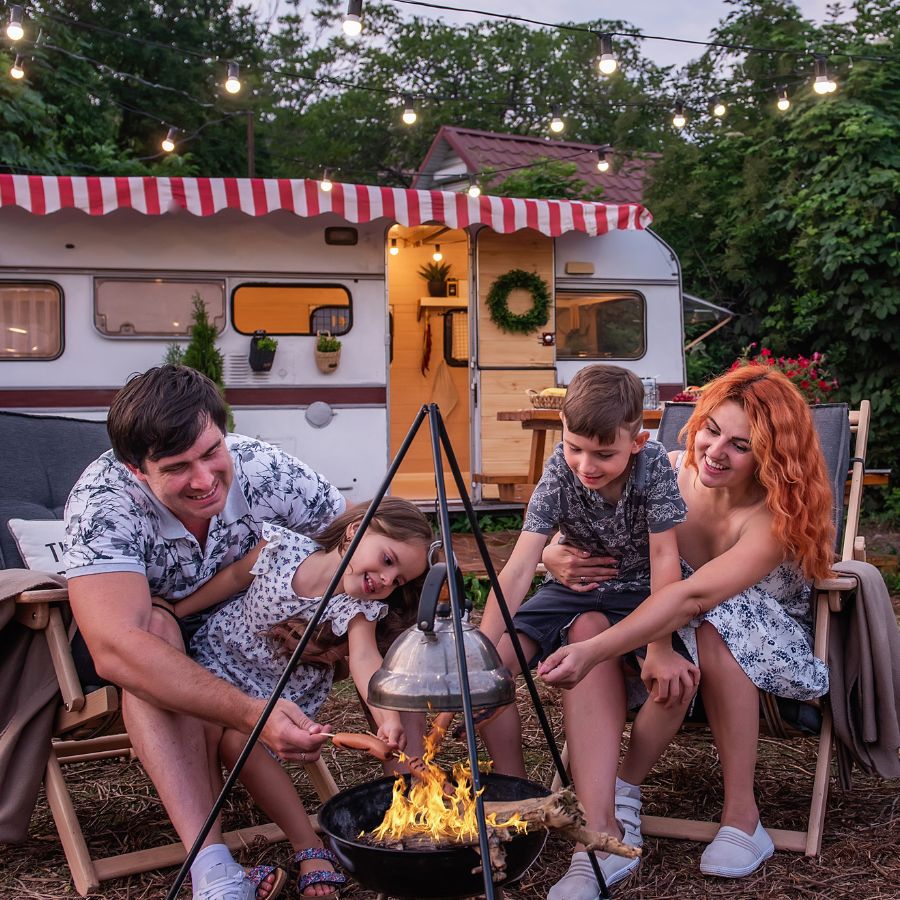
The holiday season is upon us, and what better way to celebrate than by spending time with loved ones at the campground? If you plan on having a festive camping trip this Christmas, here are some top Christmas recipes that are perfect for the holidays at the campground.

Campfire Roasted Turkey

Who says you can’t have a traditional Christmas turkey while camping? With some creativity and help from the campfire, you can enjoy a delicious roasted turkey. Prepare your turkey in advance, season it with your favorite herbs and spices, then wrap it tightly in aluminum foil. Place it on a grill over the campfire and cook slowly for a few hours. The result will be a tender and flavorful turkey that will impress everyone at the campground.

Campfire Sweet Potatoes

Sweet potatoes are a staple of Christmas meals and can easily be prepared at the campground. Start by wrapping the sweet potatoes in aluminum foil and placing them in the campfire. Let them cook for about an hour or until they are soft and caramelized. Once they’re done, you can enjoy them as is or top them with marshmallows for an extra festive touch.

Campfire S’mores

No camping trip is complete without s’mores, and they make a perfect dessert for a Christmas gathering at the campground. Gather your graham crackers, marshmallows, and chocolate bars, and toast the marshmallows over the campfire. Sandwich the melted marshmallows and chocolate between two graham crackers, and enjoy the gooey goodness of a classic s’more.

Campfire Mulled Wine

Warm up on a chilly night at the campground with a cup of campfire mulled wine. Combine red wine, orange slices, cinnamon sticks, cloves, and a touch of honey in a pot. Let it simmer over the campfire for about 30 minutes, allowing the flavors to meld together. Serve it warm in mugs, and savor the cozy and festive flavors of mulled wine.


Continue reading
  1040 Hits
Tags:

Escape the Ordinary: 8 Reasons to Camp for the Holidays

Are you tired of the same old routine for your holidays? Do you want to escape the ordinary and try something different? If so, then it’s time to consider opting for campgrounds for your next vacation. Camping offers a unique and refreshing experience that allows you to reconnect with nature and create lasting memories. Here are eight reasons why you should choose campgrounds for your holidays:

Embrace Nature:

Campgrounds provide the perfect opportunity to immerse yourself in the beauty of nature. Wake up to the sounds of birds chirping, breathe in the fresh air, and witness breathtaking landscapes. Camping allows you to escape city life’s hustle and bustle and enjoy the serenity of the great outdoors.

Affordable Accommodation:

Camping is a budget-friendly option for accommodation. Instead of spending a fortune on hotels or resorts, you can pitch a tent or rent a camper van at a fraction of the cost. Saving money on accommodation means you have more to spend on exciting activities during your trip.

Unplug and Relax:

In today’s digital age, we are constantly bombarded with notifications and glued to our screens. Camping provides an opportunity to disconnect from technology and embrace a simpler way of life. Leave your devices behind, enjoy quality time with loved ones, engage in outdoor activities, or simply relax and unwind.

Variety of Activities:

Campgrounds offer a plethora of activities for all ages and interests. From hiking and fishing to canoeing and stargazing, there is something for everyone. You can explore nearby trails, swim in crystal-clear lakes, or gather around a campfire for a cozy evening under the stars. The options are endless.

Family RVing around the Holidays
woman and dog in snow
couple ring
women hiking
Continue reading
  477 Hits
Tags:

Vanlife Renovations

3 minutes reading time (551 words)

Vanlife renovations involve transforming a standard van into a comfortable and functional living space for those who choose to embrace the vanlife lifestyle. Whether you plan to live in the van full-time or use it for occasional road trips, here are some common renovation ideas and considerations:

1. Design and Layout:Floor Plan: Plan the layout to optimize space. Consider where the bed, kitchen, storage, and seating areas will be located.Multifunctional Furniture: Invest in furniture that serves multiple purposes, such as convertible beds, foldable tables, and storage benches.2. Insulation and Ventilation:Insulation: Proper insulation is crucial for temperature control. Use insulation material on walls, floor, and ceiling to regulate heat and cold.Ventilation: Install windows, roof vents, or fans for airflow. Ventilation is essential to prevent condensation and maintain comfort.3. Bed and Seating:Bed Platform: Build a platform for the bed to create storage space underneath. Consider a foldable or convertible bed to maximize functionality.Seating: Comfortable seating is important. Options include built-in benches with storage or swivel seats.4. Kitchen Setup:Cooking Appliances: Depending on your needs, install a portable stove, a built-in propane cooktop, or a compact kitchen unit.Storage: Include cabinets, shelves, or pull-out drawers for storing utensils, cookware, and food.5. Bathroom Facilities:Portable Toilet: Some vanlifers opt for portable toilets or camping toilets. Consider space-saving options.Outdoor Shower: An outdoor shower with a privacy enclosure may be a solution for bathing.6. Electrical System:Solar Power: Consider installing a solar power system for off-grid living. Solar panels can charge a battery bank for electricity.Lighting: Use LED lights to conserve energy. Install lights in strategic locations for adequate illumination.7. Water System:Water Storage: Include a freshwater tank and a wastewater tank. Portable options may also be considered.Sink: Install a compact sink with a manual or electric pump. Consider foldable or collapsible options.8. Storage Solutions:Built-In Cabinets: Custom-built cabinets and shelves maximize storage space. Consider utilizing vertical space.Hanging Storage: Use hanging organizers or nets to store items like clothes, shoes, or kitchen utensils.9. Aesthetics and Comfort:Decor and Fabrics: Personalize the space with decor, textiles, and colors that create a cozy and inviting atmosphere.Privacy: Consider window coverings, curtains, or blinds for privacy and temperature control.10. Security:Locking Mechanisms: Enhance security with sturdy locks on doors and windows.Hidden Storage: Consider incorporating hidden compartments for valuables.11. Technology:Entertainment System: Install a sound system, speakers, or a multimedia center for entertainment.Charging Stations: Set up USB ports and charging stations for electronic devices.12. Safety:Smoke and Carbon Monoxide Detectors: Ensure safety with detectors to alert you to potential hazards.Fire Extinguisher: Keep a fire extinguisher on hand for emergencies.13. Regulations and Codes:Check Local Regulations: Be aware of local regulations regarding living in a vehicle, especially in urban or residential areas.14. Test and Adjust:Trial Runs: Before embarking on a long journey, take short trips to identify any adjustments or improvements needed.15. Community and Resources:Join Vanlife Communities: Connect with the vanlife community for advice, tips, and support. Online forums and social media groups are valuable resources.

Remember to tailor the renovation to your specific needs, preferences, and budget. Keep in mind that safety, comfort, and functionality should be priorities in the design process. 

RV Budget Tips

Escape the Ordinary: 8 Reasons to Camp for the Hol...

Continue reading
  551 Hits
Tags:

RV Budget Tips

3 minutes reading time (547 words)

Budgeting for RV living involves careful planning to ensure you have the financial resources needed for your journey. Whether you're planning a short road trip or full-time RV living, here are some budgeting tips:

1. Calculate Your Total Costs:RV Purchase/ Rental: Determine the cost of purchasing or renting an RV. If buying, consider both the initial cost and potential financing.Maintenance and Repairs: Account for regular maintenance and unexpected repairs. Older RVs may require more maintenance.Campground Fees: Research campground fees, whether you're staying in RV parks, campgrounds, or boondocking.Fuel Costs: Estimate fuel costs based on your planned route and the fuel efficiency of your RV.Insurance: Budget for RV insurance, which can vary based on factors like coverage, RV type, and your driving history.Utilities: If staying in RV parks, some may charge for utilities like electricity, water, and sewage.Groceries and Supplies: Plan for food, toiletries, and other supplies you'll need on the road.2. Create a Realistic Monthly Budget:Fixed vs. Variable Expenses: Differentiate between fixed expenses (insurance, loan payments) and variable expenses (fuel, campground fees).Emergency Fund: Set aside money for unexpected expenses or emergencies.Entertainment and Leisure: Allocate funds for activities, attractions, and dining out.3. Explore Affordable Camping Options:Boondocking: Consider free or low-cost boondocking sites on public lands, where camping is allowed without amenities.Discount Clubs: Join discount camping clubs or memberships that offer reduced rates at participating campgrounds.State and National Parks: Take advantage of state and national parks, which often offer affordable camping options.4. Fuel Efficiency and Travel Planning:Plan Efficient Routes: Plan your routes to minimize travel distances and fuel consumption.Fuel Savings Tips: Maintain a steady speed, reduce idling time, and keep your RV well-maintained for optimal fuel efficiency.5. Cooking and Meal Planning:Cook at Home: Save money by cooking meals in your RV. Invest in a well-equipped kitchen to prepare cost-effective and healthy meals.Grocery Shopping: Plan meals ahead, make a grocery list, and buy in bulk when possible.6. Minimalism and Downsizing:Downsize Belongings: Traveling in an RV often requires downsizing. Sell or donate items you don't need, reducing both clutter and weight.Quality Over Quantity: Invest in quality, multi-functional items instead of accumulating unnecessary belongings.7. DIY Maintenance and Repairs:Learn Basic Maintenance: Learn to perform basic RV maintenance tasks to save money on repairs.Carry Essential Tools: Keep a basic toolkit on hand for minor repairs and adjustments.8. Use Technology to Save:Apps and Websites: Use apps and websites to find affordable campgrounds, locate fuel stations, and compare prices.Online Deals: Look for online deals, discounts, and loyalty programs for campgrounds and supplies.9. Review and Adjust Budget Regularly:Track Expenses: Keep a record of your spending to identify areas where you can cut costs.Adjust as Needed: Regularly review your budget and make adjustments based on your experiences and changing circumstances.10. Work Opportunities on the Road:Remote Work: If possible, explore remote work options to generate income while traveling.Seasonal Jobs: Consider seasonal jobs or temporary work opportunities at destinations along your route.

Remember that flexibility and adaptability are essential in RV living. Unexpected expenses may arise, and having a contingency plan in your budget will help you navigate any financial challenges on the road. 

Vanlife Renovations

  653 Hits
Tags:

National Park Trip

2 minutes reading time (464 words)

Embarking on an RV trip to national parks can be a fantastic adventure, providing you with the opportunity to explore some of the most beautiful and diverse landscapes. Here's a guide to help you plan an RV trip to national parks:

1. Choose Your National Parks:Research and select the national parks you want to visit. Consider factors such as proximity, the time of year, and the type of landscapes you'd like to experience.2. Campground Reservations:National park campgrounds can fill up quickly, especially during peak seasons. Make campground reservations well in advance to secure a spot.3. Park Passes:Consider purchasing an annual National Park Pass if you plan to visit multiple parks. This pass provides access to over 2,000 federal recreation sites.4. RV-Friendly Campgrounds:Check if the campgrounds within the national parks can accommodate your RV size. Some parks may have limitations on RV length.5. Check Park Regulations:Familiarize yourself with the rules and regulations of each national park. This includes restrictions on pets, campfires, and specific guidelines for RVs.6. Plan Your Route:Plan your route, taking into account the driving distances between parks. Consider scenic byways and points of interest along the way.7. Weather Considerations:Check the weather conditions for each park and pack accordingly. National parks can have varying climates, so be prepared for different weather scenarios.8. Activities and Hikes:Research the activities and hiking trails available in each park. Identify any must-see landmarks or viewpoints.9. Park Ranger Programs:Many national parks offer ranger-led programs and activities. Check the park's schedule for guided hikes, talks, and educational programs.10. RV Supplies:Ensure your RV is well-stocked with essentials. This includes food, water, propane, toiletries, and any specific RV accessories you may need.11. Leave No Trace:Follow Leave No Trace principles to minimize your impact on the environment. Respect wildlife, stay on designated trails, and dispose of waste properly.12. Cellular Reception:Check the cellular reception in the national parks. Some parks may have limited or no connectivity. Plan accordingly and have alternative navigation options.13. Connect with Other RVers:Join RV forums or social media groups to connect with other RVers who have visited the national parks you plan to explore. They may offer valuable tips and insights.14. Emergency Preparedness:Have an emergency kit on hand, including a first aid kit, tools, spare parts for your RV, and emergency contact information.15. Enjoy the Journey:RV travel is not just about the destination—it's also about the journey. Take your time, enjoy the scenery, and make the most of your national park adventure.

Remember that flexibility is key when RVing, and unexpected discoveries can enhance your experience. Always check for the latest park information and road conditions before heading out. Safe travels!

How to Plan the Perfect Holiday RV Camping Trip: T...

  759 Hits
Tags:

RV Camping Accessories – 40 Must-Have Gadgets for RVers 2024 Edition

...

Read moreRV Camping Accessories – 40 Must-Have Gadgets for RVers 2024 Edition

  747 Hits
Tags:


Outdoorsmen